d.o. Empordà – the best wine in the Costa Brava region comes from small towns in the hinterland! This is still an insider tip
The ones belonging to Catalonia d.o. Empordà – Costa Brava with its Mediterranean climate is not far from the popular beaches of the Costa Brava. Most travelers are still a secret to the fact that wine is produced there. That should finally change now. Catalonia is the European gastronomy region 2016 and the wine of the area is finally internationally in focus.
Palau-Saverdera
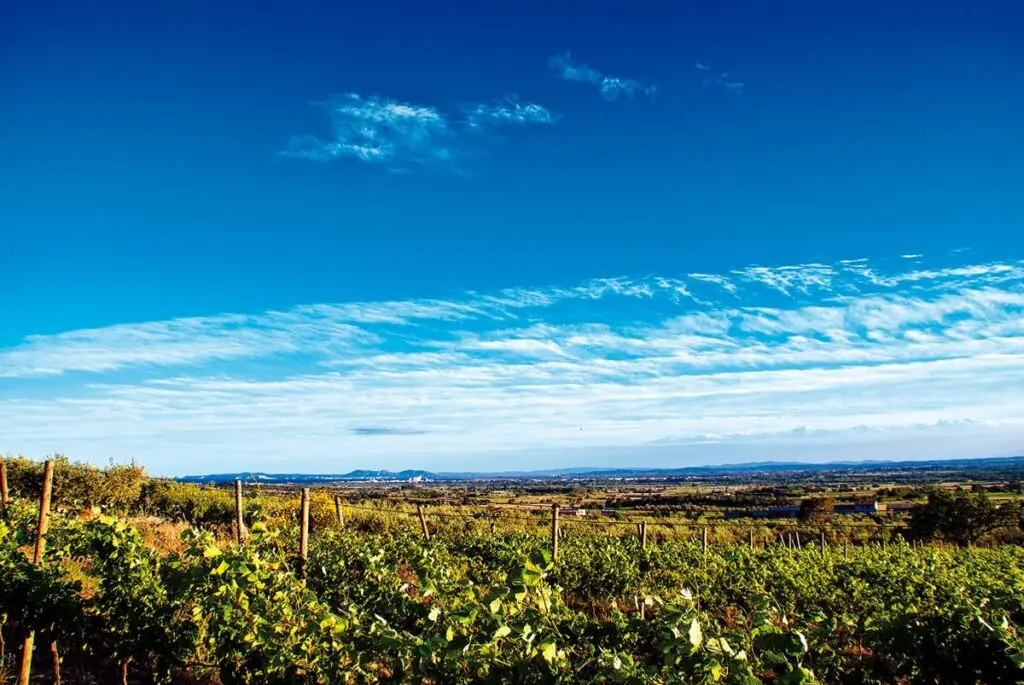
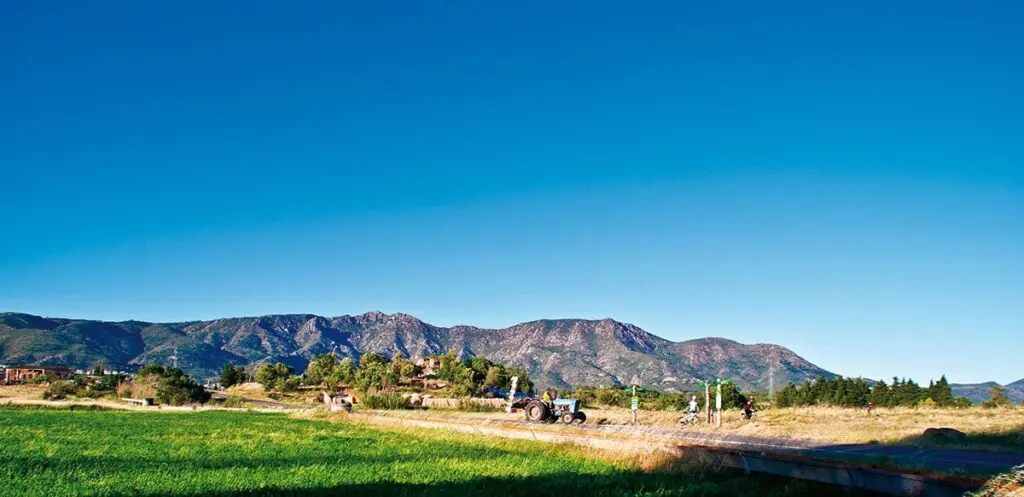
We start our journey behind Rosas along the Sierra de Albera mountain range sinking in the sea. On the right, the houses of the urbanizations crouch on the mountain, on the left ancient olive groves and vineyards stretch far into the country. The first place on the track is Palau-Saverdera. There are some nice restaurants here, the Romanesque church of Sant Joan is enthroned in the center of the village, some beautifully renovated stone houses between new buildings and crumbling walls in the winding streets.
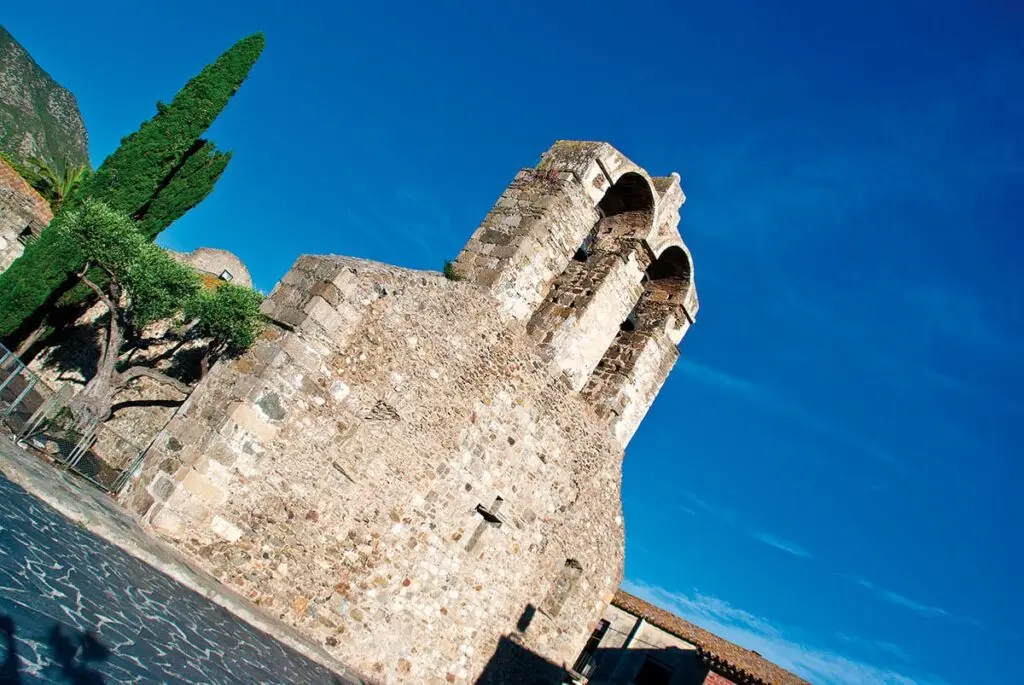
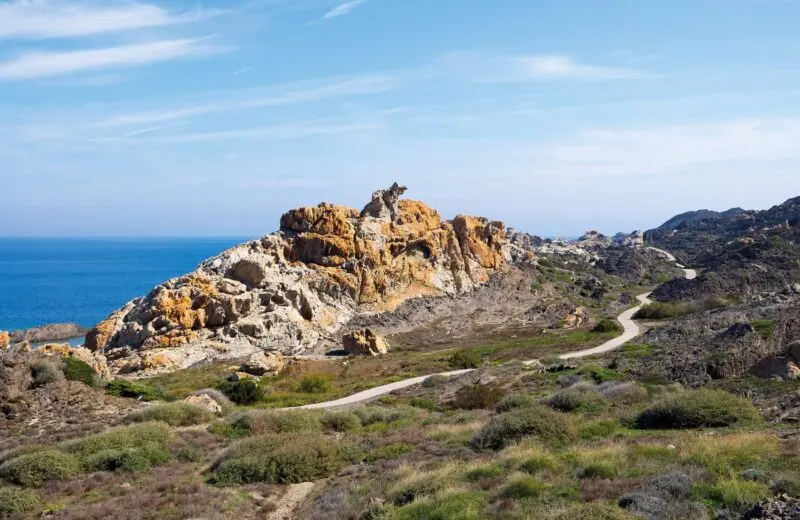
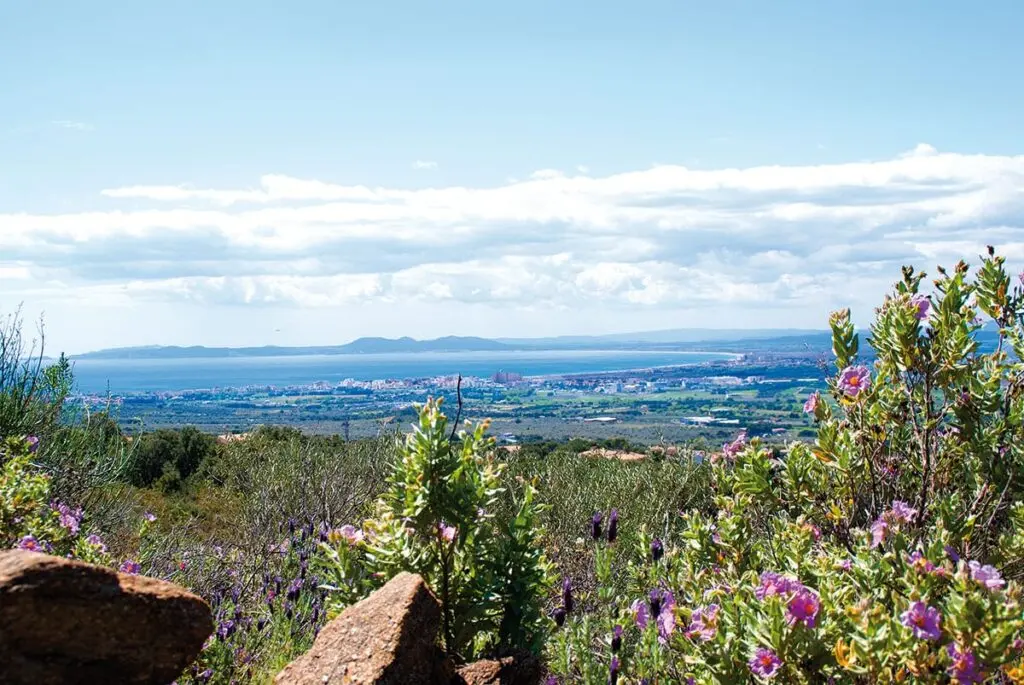
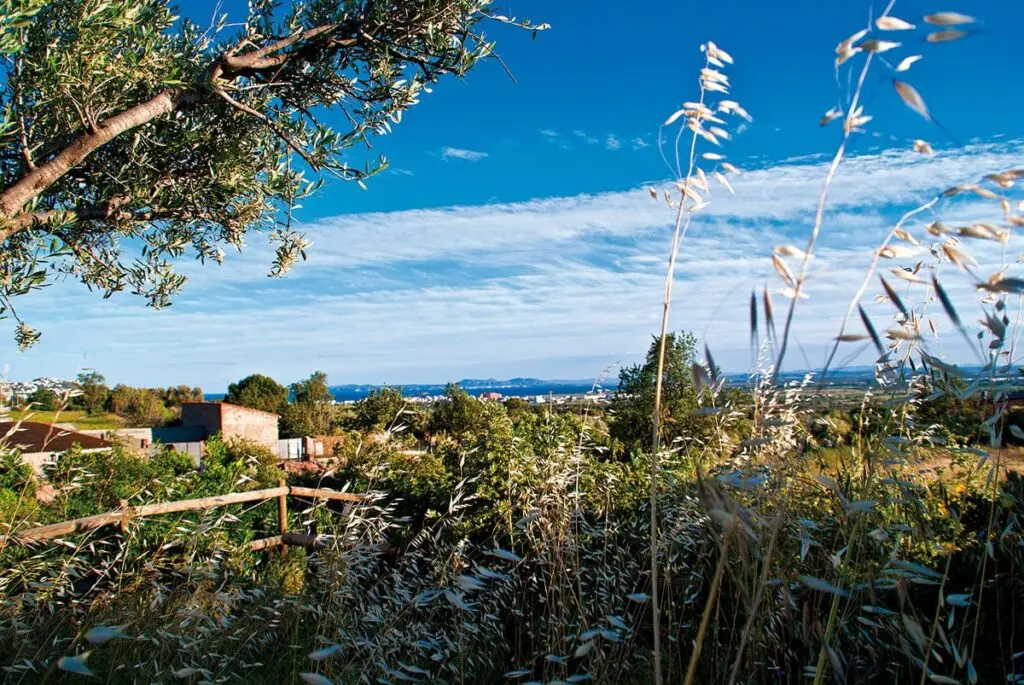
The Ermità Sant Onofre on the mountain flashes white above the village. We park our car next to the Terra Nostra restaurant, shoulders the camera and notepad for the steep path uphill and follow the red and white marking towards the chapel above us. The remains of the Castell de St. Salvador can be seen at the top of the ridge. The sun shines on our faces and the Tramuntana howls over the mountains. The vegetation blooms profusely, the view over the Empordà and the Mediterranean Sea is breathtaking. Butterflies stagger in the wind, dark blue thunderstorm flowers and wild lupines, purple the thistle blossoms, crimson Cretan heads rise up and white and pink shine the cistus (Cistus albidus). Whimsical branches form into bizarre crowns of nature.
Sant Onofre
Boulders made of granite form idiosyncratic sculptures and on the way a weathered sign refers to a small slipped dolmen. A little further up we meet a proudly towering menhir. If you start early and have mountain equipment with you, you can reach Sant Onofre in three quarters of an hour, meet Mas Ventós after 1.5 hours and are in 2.15 hours and after 6.4 steep mountain kilometers in Sant Pere de Rhodes – promises us a sign. For today we only climb up to the chapel at photo height and go back to the valley. After all, our theme is called mountains, sea and wine. The region lives not only from tourism but also from wine and olive cultivation. That is why every village has its cooperative. Here you buy the young fruity wines of the region directly from the barrel or bottled in cardboard boxes and bottles. These are usually cheaper than carbonated water.
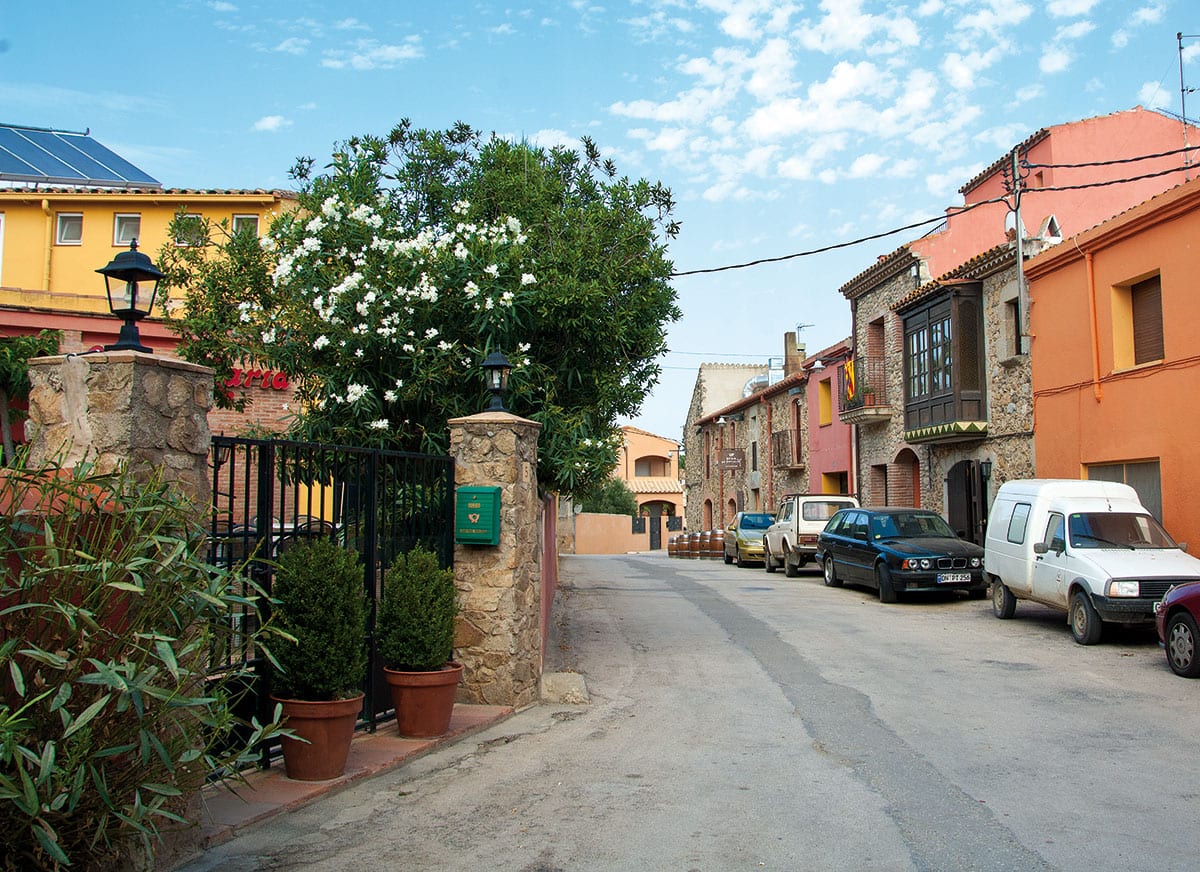
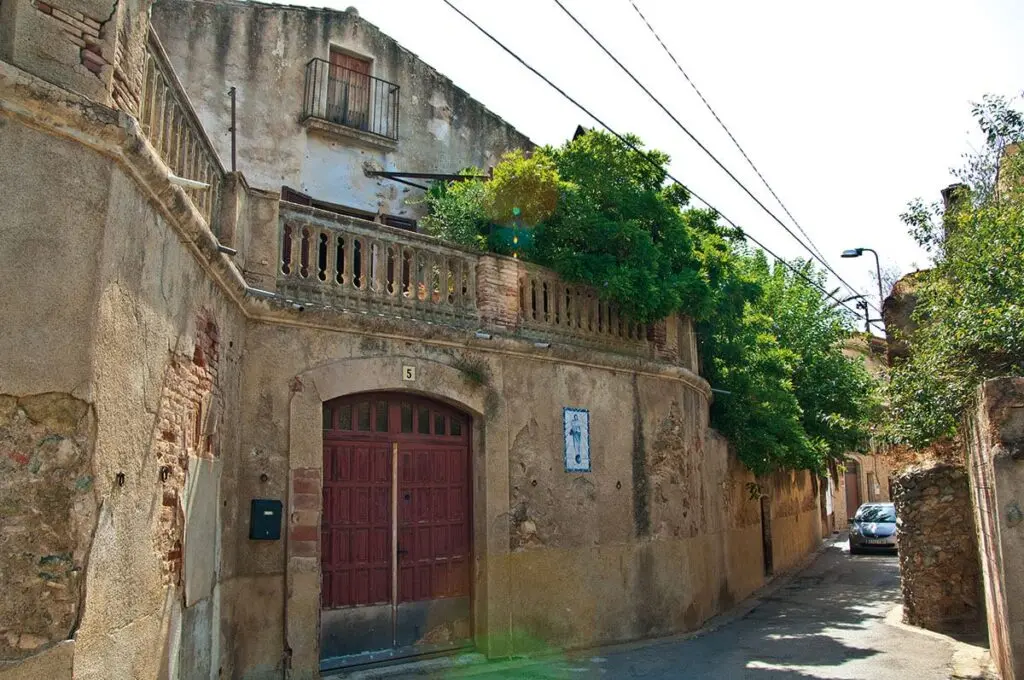
In Palau-Saverdera, the sales hall is right on the road to Capmany. You can usually try the wine and the choice between white, rosé, red, sweet, semi-dry and dry is difficult. We prefer the dry red reserva from the tap and fill our first canister. We now continue to Pau. Here, too, the church of Sant Martí de Pau protrudes prominently over the roofs of the village. In the gardens there are ancient lemon and orange trees with enticingly bright fruits. Gnarled figs drive it green. The oldest houses in the village date from the 17th and 18th centuries and are made of stone. Unfortunately, most of them were plastered and painted at some point. The colors are faded and the plaster is cracked. In the bodega on the street we buy olive oil and drive to the next destination.
Wine from the Bodega Espelt
The modern Bodega Espelt lies between Pau and Vilajuïga. Here you value design. Both the appearance and the bottles and labels are boldly young. The interior of the complex A design temple: wine bottles are presented here like in the museum. Glass, steel and width dominate. At the bar you can taste the wines, and direct shopping is possible for everyone. Celler Espelt is a family business with tradition and the courage to try something new. The predominantly young white, red and rosé wines also appeal to the young customers.
Once founded by Lluís Espelt, founded in Vilajuïga, the Bodega is now managed by son Damià and granddaughter Anna. The first quality vines guarantee the best wines.
The Empordà – once known primarily as the producer of sweet white wines (‘Rancio’) – has now adjusted to the increasing demand for light, fruity and fresh wines as a wine region. You will find a wide variety of grape varieties here: e.g. the Garnacha Blanca, Macabeo, Xarel-Lo, Chardonnay, Moscatel, Sauvignon Blanc and Gewürztraminer as white and garnacha tinta, Cariñena, Cabernet Sauvignon, Cabernet Franc, Syrah, Ull de Llebre and Merlot as red grapes.
Vilajuïga – cooperative with FAS wine
Vilajuïga Of course, it also has its cooperative with draft wines and freshly squeezed olive oil. Here we are enthusiastic about the large pieces of olive oil soap offered in the traditional form – decorative for every bathroom. We find the red reserva from the wooden barrel really tasty and fill another canister.
In the rural cooperatives you are in the middle of the action: everyone fills their own wine at the taps. Everything that has a liter works as a container – whether it’s an empty plastic coke bottle or a water canister. Depending on the variety, the prices per liter of wine vary by one euro. The wines are easy to drink and the price-performance ratio unbeatable. No wine for gourmets, but drinkable to eat.
The cooperative of Vilajuïga not only sells wine, spirits and olive oil, but also work shoes, corks and cork tools of all kinds and sizes, as well as sausages and pastries.
In addition to wine, the village also has water to offer. At the source of Vilajuïga you can fill your water tanks free of charge. In summer, however, sometimes only with patience, due to long lines. The labels of the Vilajuïga water bottles produced adorn the place: the Quermanço Castle. For the Dalí year, there is now a special edition water bottles in an idiosyncratic Dalí design. Just like Dalí, “Aigua de Vilajuïga” celebrates its 100th birthday in 2004. By the way, Dalí drank almost exclusively this naturally bubbling mineral water with healthy minerals. It is considered the best and healthiest mineral water in Spain.
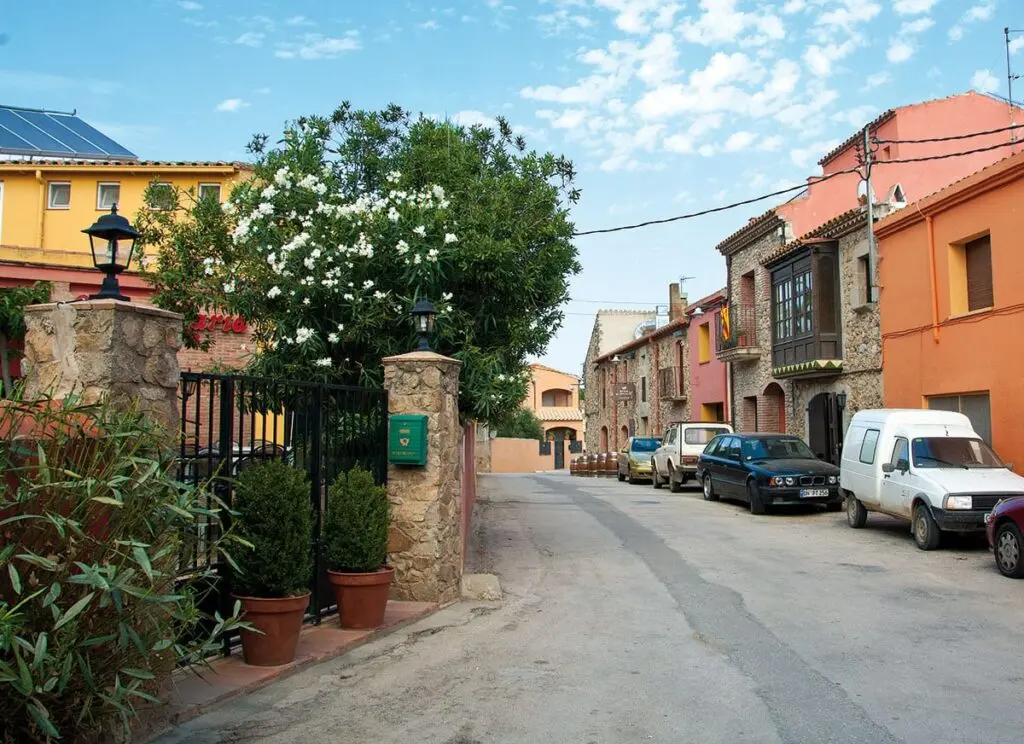
Garriguela – Village with its own wine and wine festival
garriguella is waiting for a wine festival. The region’s wineries and bakeries are present here with their stalls, and you can try what your stomach can do. The church of Santa Eulàlia de Noves de Garriguella forms the center of the village. The square around the church is invitingly designed and is bordered by a castle-like building. This is followed by a large park. Opposite the park wall, we discover a beautiful enchanted stone house, overgrown by blooming glycinia. Next to it, an ancient stone wall encloses a dark park. We stand in front of the old castle of Garriguella. Who may be the lord of the castle here? The masonry is weathered, the shutters are closed. The box of an alarm system spoils the facade. You want to end the slumber and imagine walking down the steps into the park with a long train. Unfortunately, the romance is not that far away, construction is going on and an excavator makes its way loudly. We flee the noise and continue. The landscape always inspires again and again. A sign to the left points to a small church in the field “Sant Romá de Delfia”. We are less impressed by the church than the ruins in front of it.
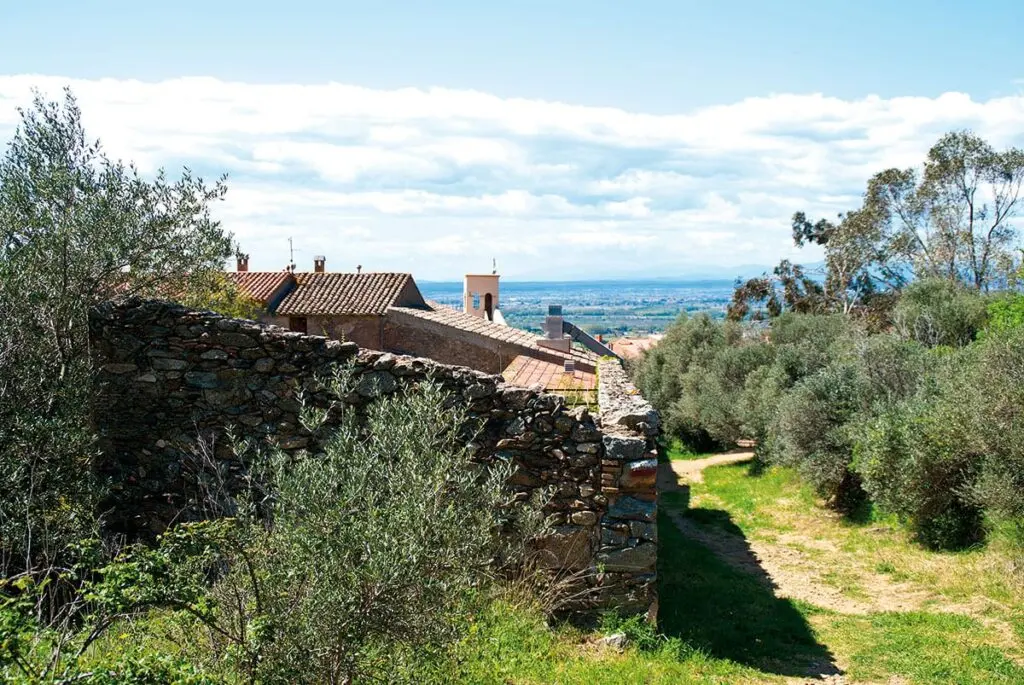
She dominates the country on a hill and tells of the past. At your feet there is a small lake between the meadows, and the view all around sweeps freely from the Pyrenees to the Mediterranean. Paradise is home here. The remains of a cross vault can still be seen, but false ceilings, windows and roofs have been missing for centuries. Soon the walls will no longer stand. No one can be seen far and wide. There are stables next to the chapel. Here a shepherd seems to have his domicile. The lambs are in the stable, and behind the next hill you can see the herd. We take another deep breath of the thyme scent of the fields and continue our journey towards Rabos. The place is dead at lunchtime on the mountain. An old man is sitting in front of a house, leaning on his stick. A little slacker blares tiredly in a alley, two cats roam around. Time seems to stand still. 120 inhabitants still live in the small medieval town on the foothills of the Pyrenees. There is an aunt Emma shop and a small restaurant with typical Catalan cuisine. The alleys winding down are narrow. In some places hardly a car fits through. Some houses have been renovated, some are currently in the works and many are still rummaging around or are for sale.
Some French and two German cars park in the small square in front of the village. Today seems to have arrived. Soon the calm will be over.

Espolla – tip: wine from the bodega costs
In the next town of Espolla we have often bought our wine. You can also get it cheaply in bottles here. The red one tastes slightly of cherries and tips on unnoticed quickly. The exemplary renovated houses of the village are grouped around the church. Some are reminiscent of palaces by size and details. The gardens are well maintained, and in one
The pool glitters blue and tempting. Peacocks run over the lawn and palm trees sway in the wind. The idyll is perfect and you start dreaming.
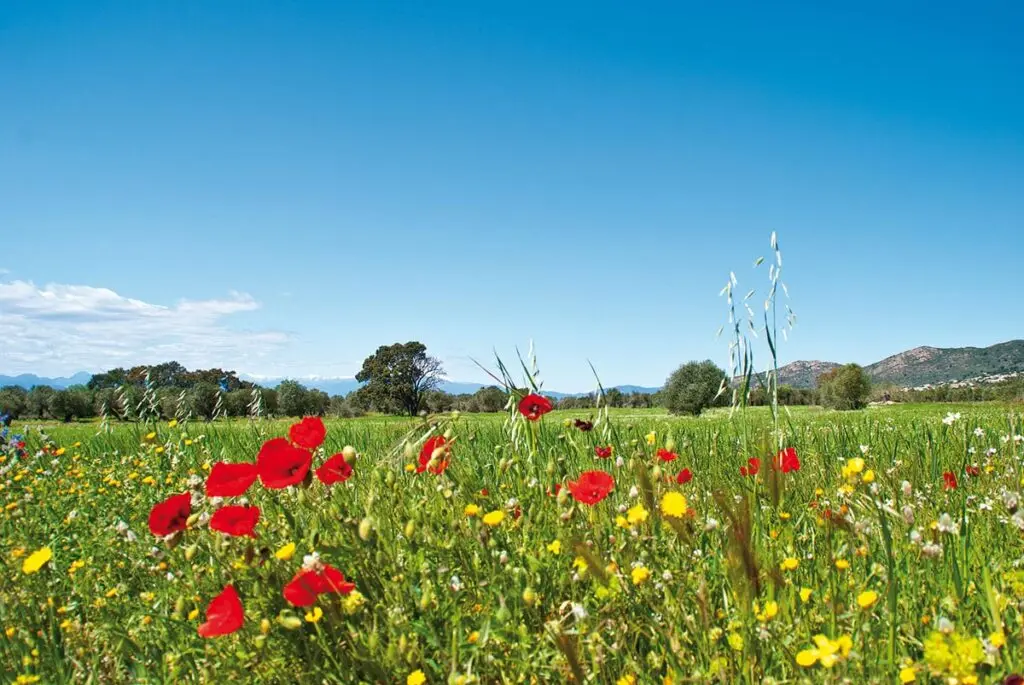
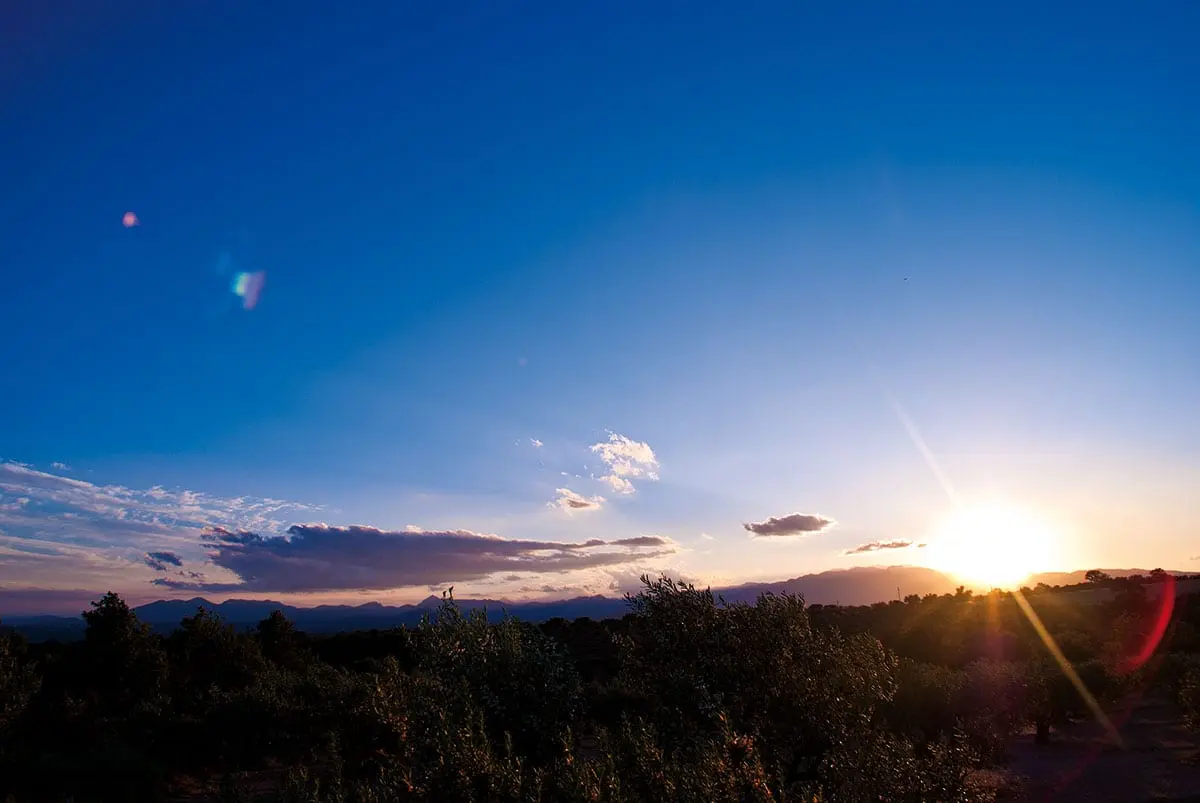
Passing Sant Climent Sescebes, we drive through olive groves and vineyards and blooming poppies to Capmany. There are several well-known bodegas and small restaurants here. The square with the church and ajuntament is newly renovated, and the stones of the old facades shine brightly. Here, too, the church is of Roman origin and dates back to the 12th – 13th century. In the Oberdorf you will find the small chapel of Sant Sebastià from the 17th century.
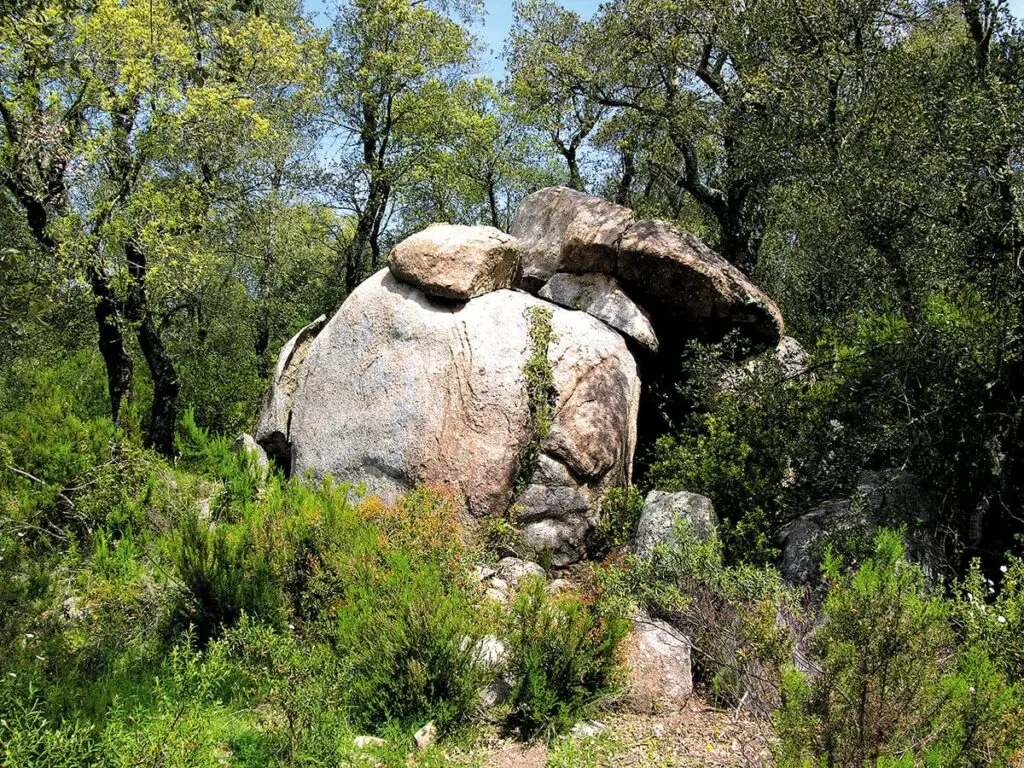
dolmen (also: gang graves)
– A tomb built from several large stones. For this purpose, megaliths (picture) were set up as columns and then a large flat stone slab was placed over them. The dolmens are the highlight of the megalithic culture and are walkable tombs.
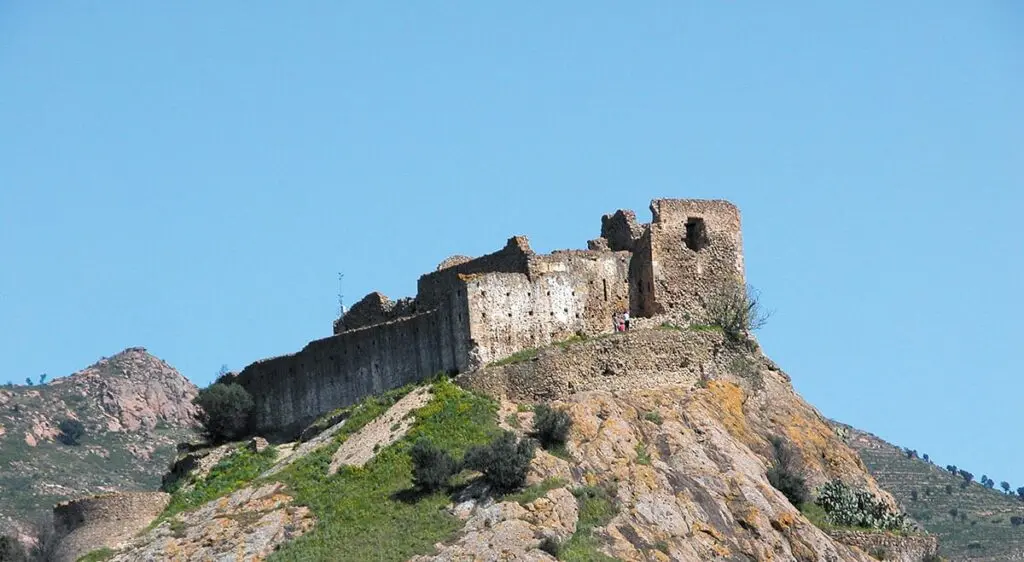
Quermanço Castle:
Dalí considered buying Quermançó Castle for his wife Gala before he chose Puból. He wanted to set up an organ here, which was to be made to play by the north wind – the Tramuntana. The restoration of the Quermançó Castle and the construction of the “L’Orgue de la Tramuntana” is now to be implemented in reality.