On this page
When wisteria drapes the stone houses in spring, poppy fields glow and orange blossom scents the air, the Empordà is at its most beautiful. We wandered through the little villages of the municipality of Palau-sator – just a few kilometres from Pals and the coast.
The tour at a glance
- Region: Baix Empordà, between Pals and Peratallada
- Villages: Palau-sator, Fontclara, Sant Feliu de Boada and Sant Julià de Boada
- Best time: April and May, when wisteria, poppies and rapeseed are in bloom
- Getting around: on foot, by bike, motorbike or convertible – the lanes are quiet and flat
Empordà: the charm of country life
In the Empordà, wisteria is the herald of spring.
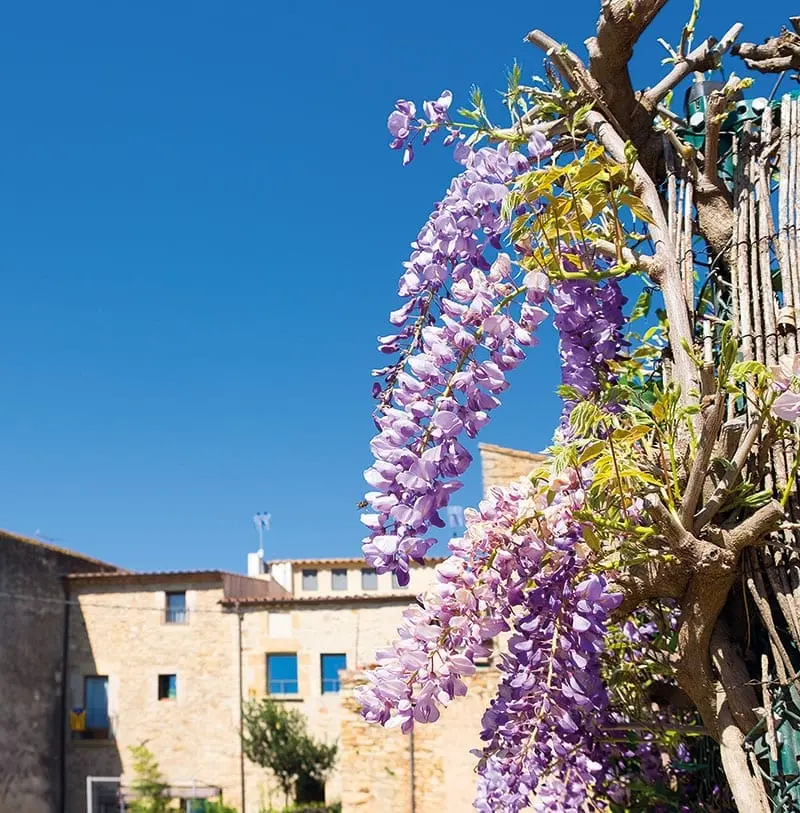
Spring in the Empordà cast its spell on us. After the long-awaited rain, nature simply explodes. Had we forgotten over the winter how intoxicating the colours of May can be?

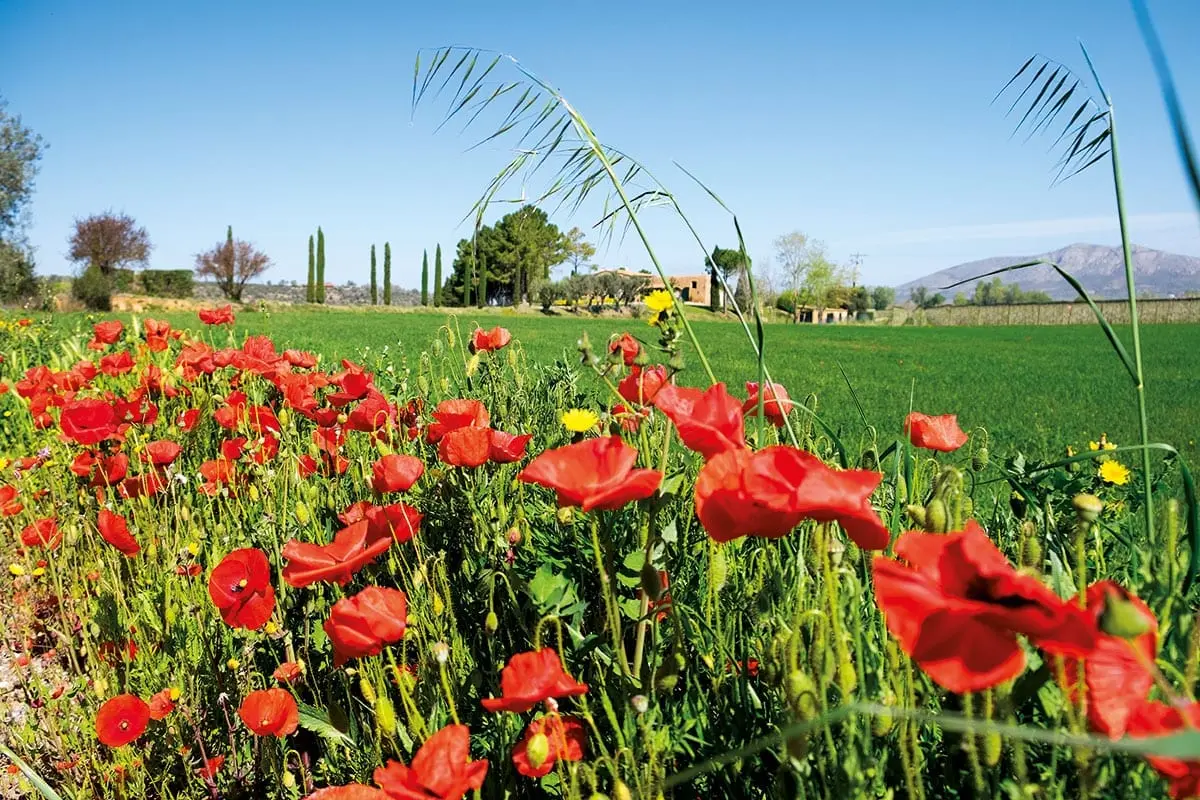
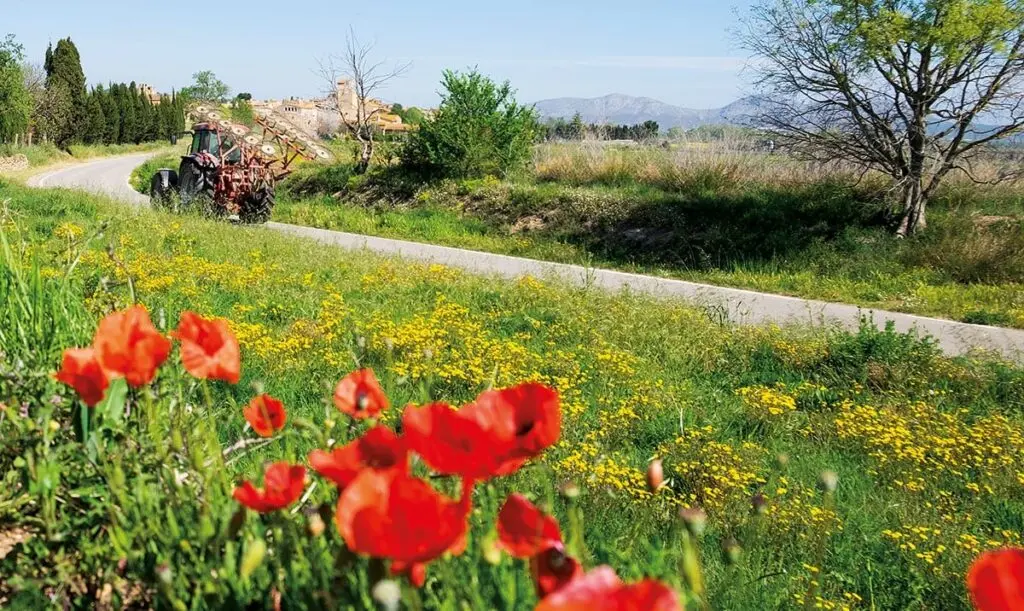
The orange blossom smells heavenly, the roses shine white, pink and red. Picturesque poppy fields, colourful verges and in between green, green, green. But the splendour does not last long: the first meadows and fields have already been mown, and the warm south wind sends poplar seeds drifting through the air.
Palau-sator
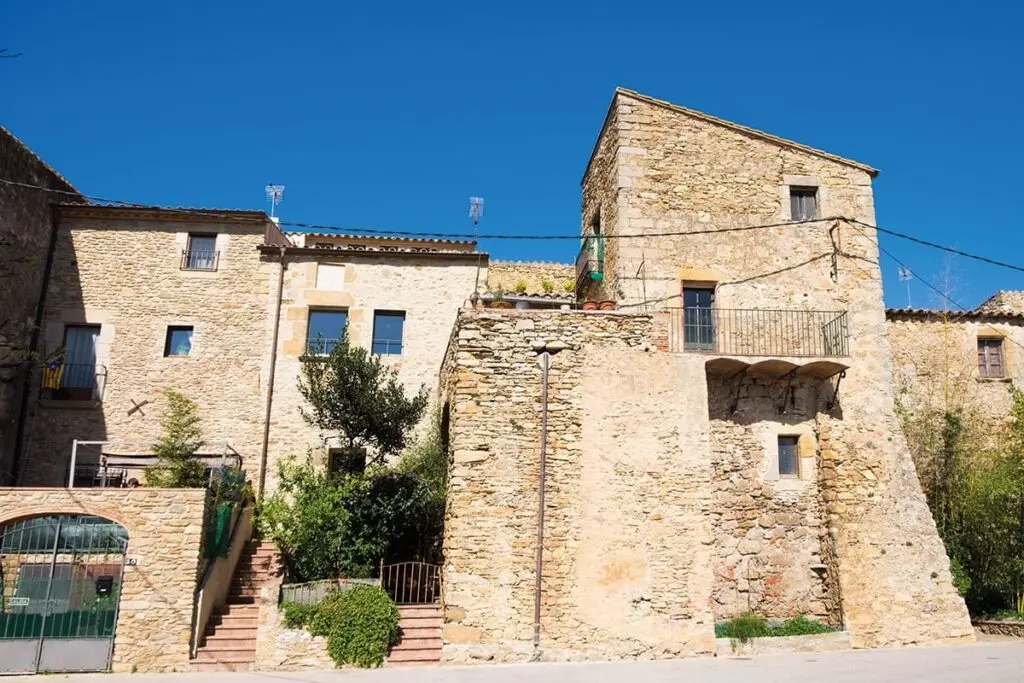
The municipality of Palau-sator includes the hamlets of Sant Feliu de Boada, Fontclara, Pantaleu and Sant Julià de Boada. They lie on the flat alluvial plain not far from Pals, with the foothills of the Gavarres massif on the horizon. The walled medieval village of Palau-sator is crowned by a striking tower, the remains of an old castle that once stood in the village centre.
In recent years Palau-sator has become a real gem. Many of the old stone houses have been lovingly restored, and some are now home to small restaurants serving regional food. The village shop sells fresh bread even on Sundays, and it is where long-time residents gather for a chat.
The neighbouring village of Fontclara has also kept its medieval layout. The 11th-century Romanesque church of Sant Pau is a reminder of a former monastery.
Sant Feliu de Boada
Sant Feliu de Boada is a loose string of farms and houses along the road from Torrent to Sant Julià. The village’s single-nave church dates from the late Gothic period.
Sant Julià de Boada
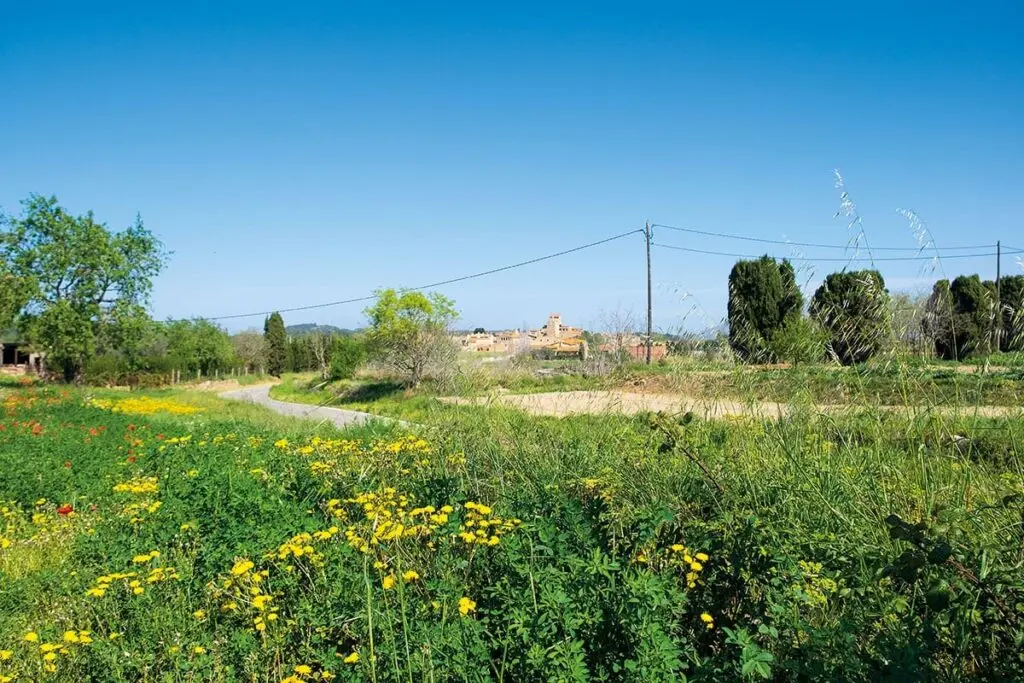
Sant Julià de Boada consists of half a dozen farmhouses around a small church from the 9th or 10th century. It is considered one of the most important and best-preserved pre-Romanesque buildings in Catalonia and has been a listed monument since 1931.
In spring these quiet villages are wrapped in lush greenery. Red poppies, yellow rapeseed and blue borage add cheerful touches. An outing into peace and romance that lifts the spirits and ends nicely in one of the cosy restaurants. Whether on foot, in a convertible, on a motorbike or by bike – here the journey is the destination. Enjoy spring and early summer in the Empordà and practise the art of slowing down. You will find more ideas in our trip to the quiet villages of the Empordà.

Sources: Visit Empordà: Palau-sator, Pobles de Catalunya: Sant Julià de Boada.