On this page
Pals sits on a hilltop in the Baix Empordà. Above the roofs of the stone village rise the church of Sant Pere and the Torre de les Hores. We have put together the essentials for a visit here.
Pals at a glance
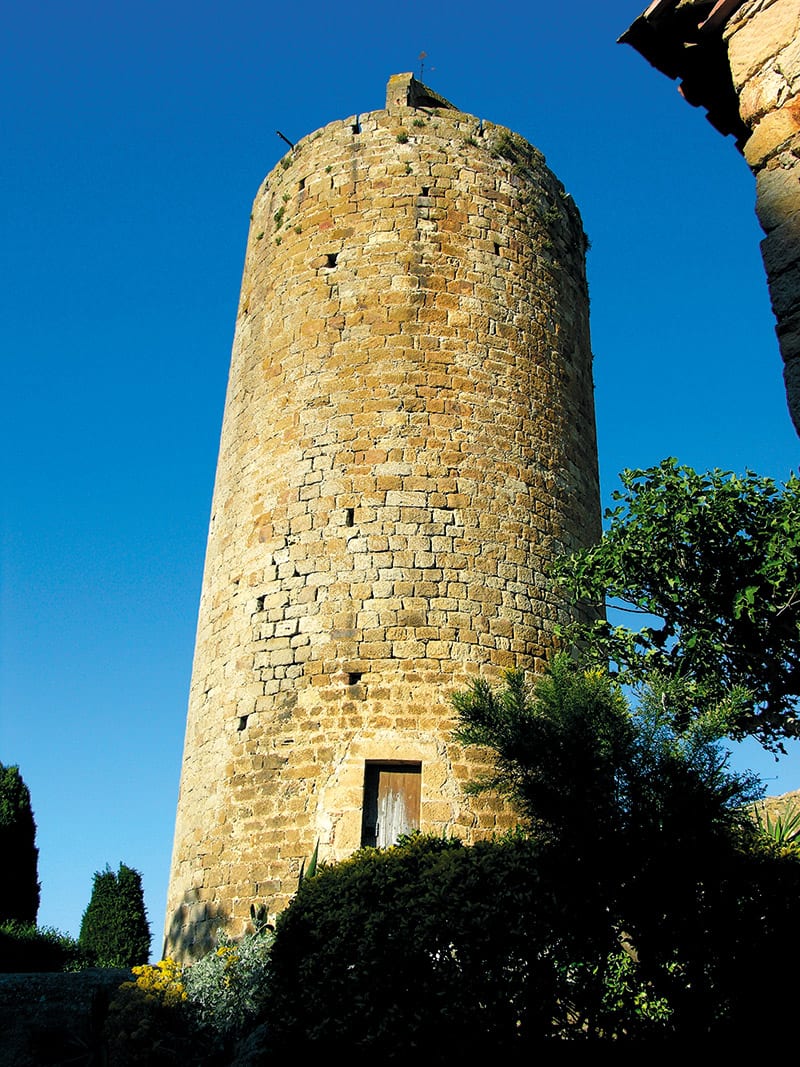
- Landmark: Torre de les Hores, a Romanesque watchtower
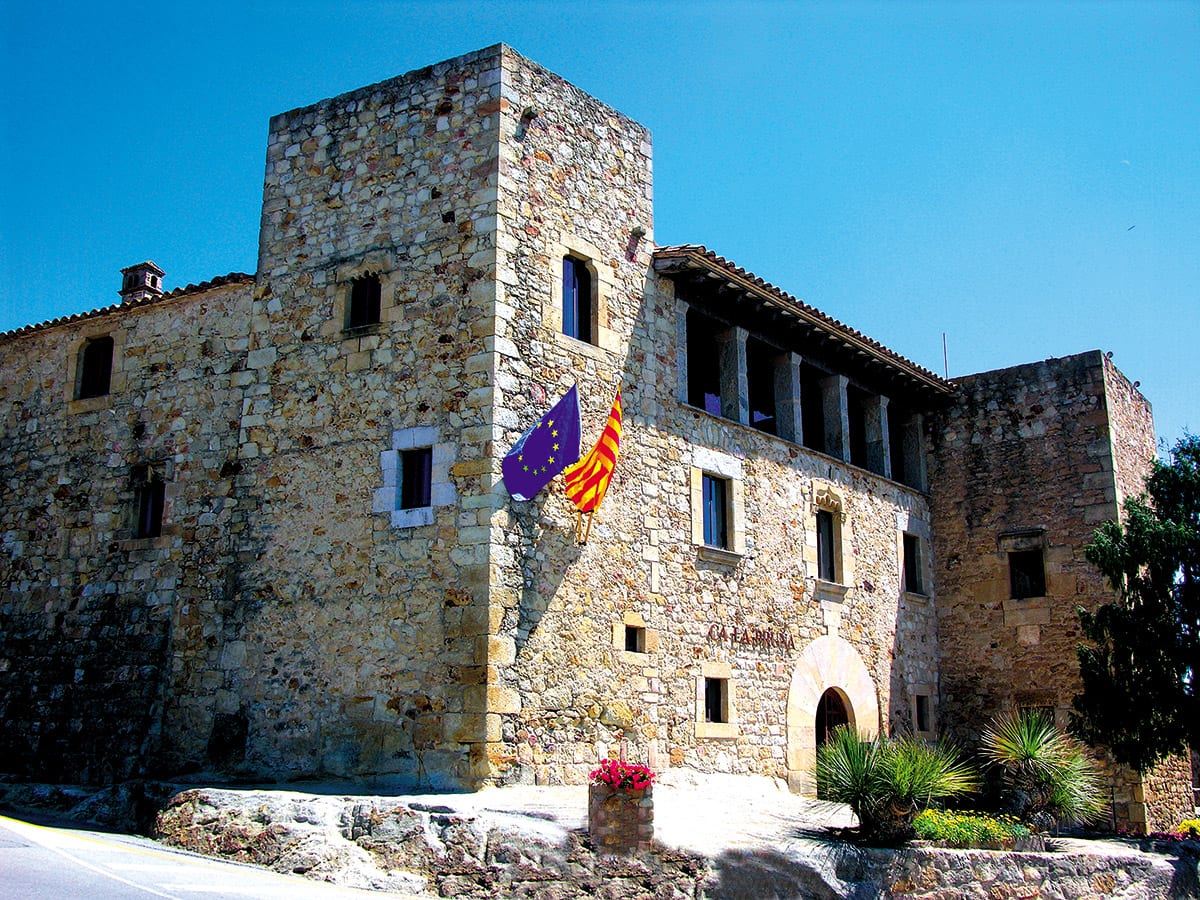
- Village centre: stone lanes, the church of Sant Pere and remains of the fortifications on a hilltop
- Nearby: Peratallada and Palau-sator, a few kilometres away
- Population: 2,534 (2025)
- Municipality: three villages: Pals, Els Masos de Pals and Sa Punta (Platja de Pals)
- Location: in the Baix Empordà, 105 kilometres north-east of Barcelona
- Name: from the Latin palus, “marshland”
- Beach: sandy beach of about 10 kilometres from Sa Punta, interrupted by the Ter, reaching to L’Estartit
Catalonia’s medieval village gems: The Spanish region of Catalonia is known for quite a few things: on the one hand its beautiful scenery, reminiscent of Tuscany, on the other its impressive coastline with steep cliffs and the seemingly endless Mediterranean… and also its many charming villages that captivate with their history.
Medieval idyll
One of them is the small village of Pals. With just under 2,500 inhabitants, it is also considered one of the ten most beautiful villages in Catalonia. After a visit on a sunny early-autumn afternoon in September, I now understand why.
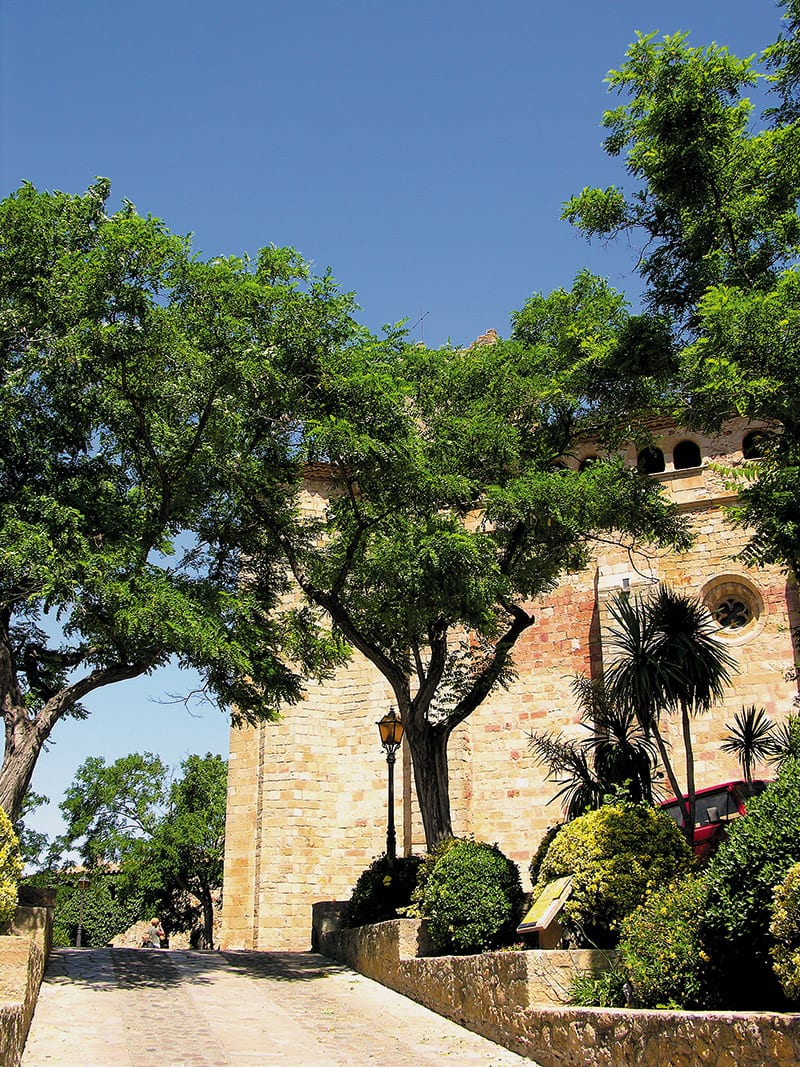
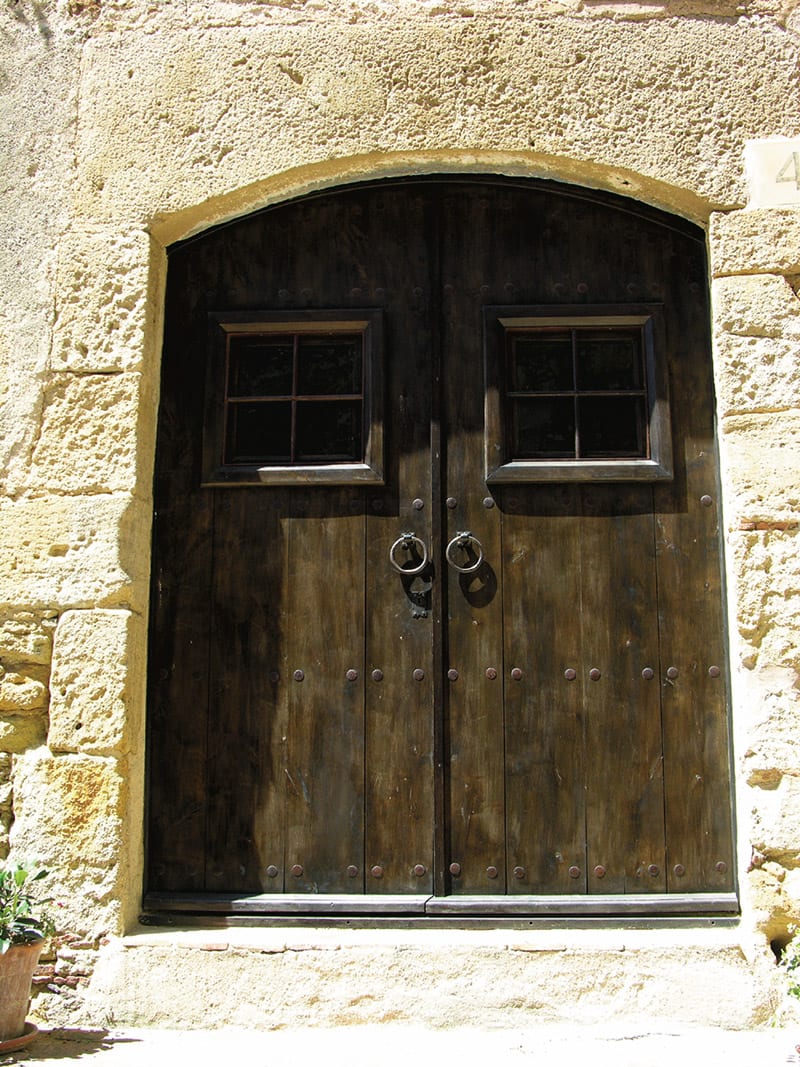
Set on a small hill, Pals – whose name comes from the Latin “palus”, meaning marshland – was, as the name suggests, once surrounded by lakes and marshes. Today, by contrast, the village is ringed by trees in rich shades of green and by rice fields; this is where the typical Spanish paella rice is grown. First of all we leave the car at the entrance to the village, because in the quiet centre you get around on foot only – the hilly, narrow lanes wouldn’t allow anything else anyway!
Time travel in the Catalan village
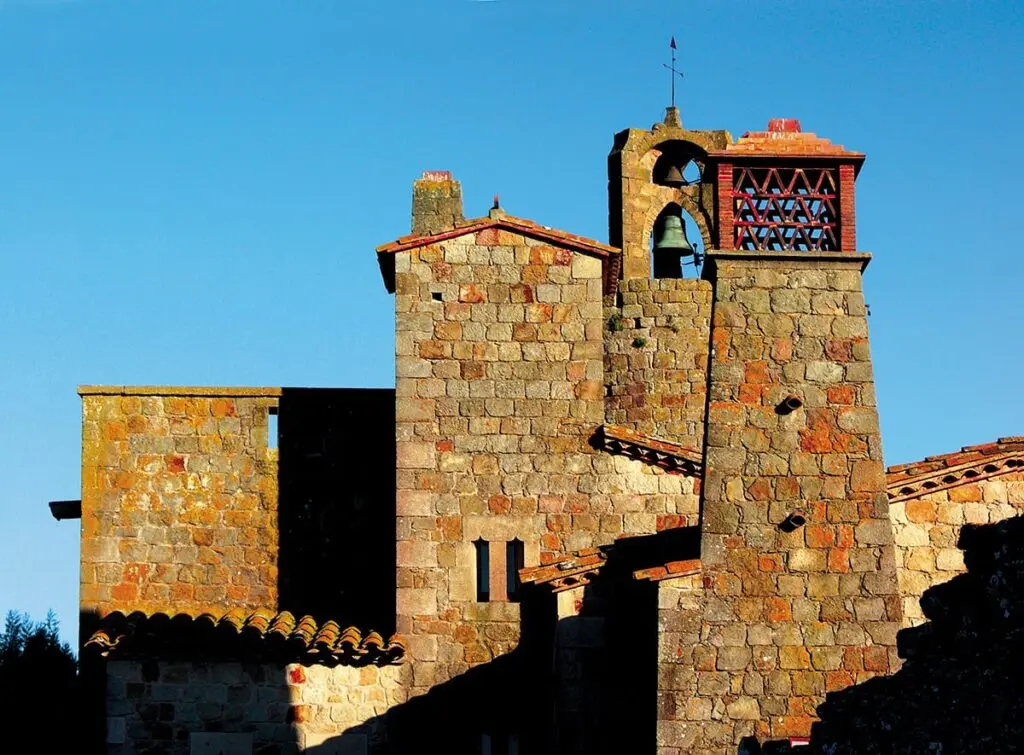
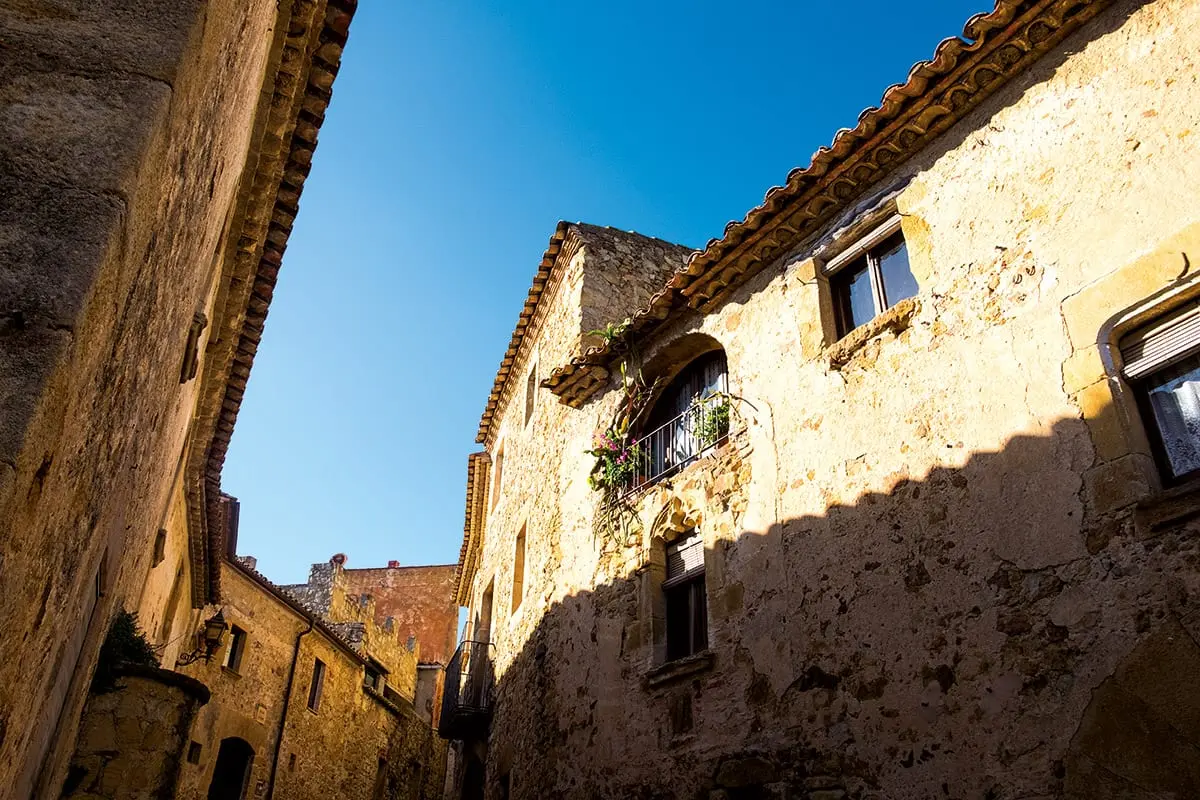
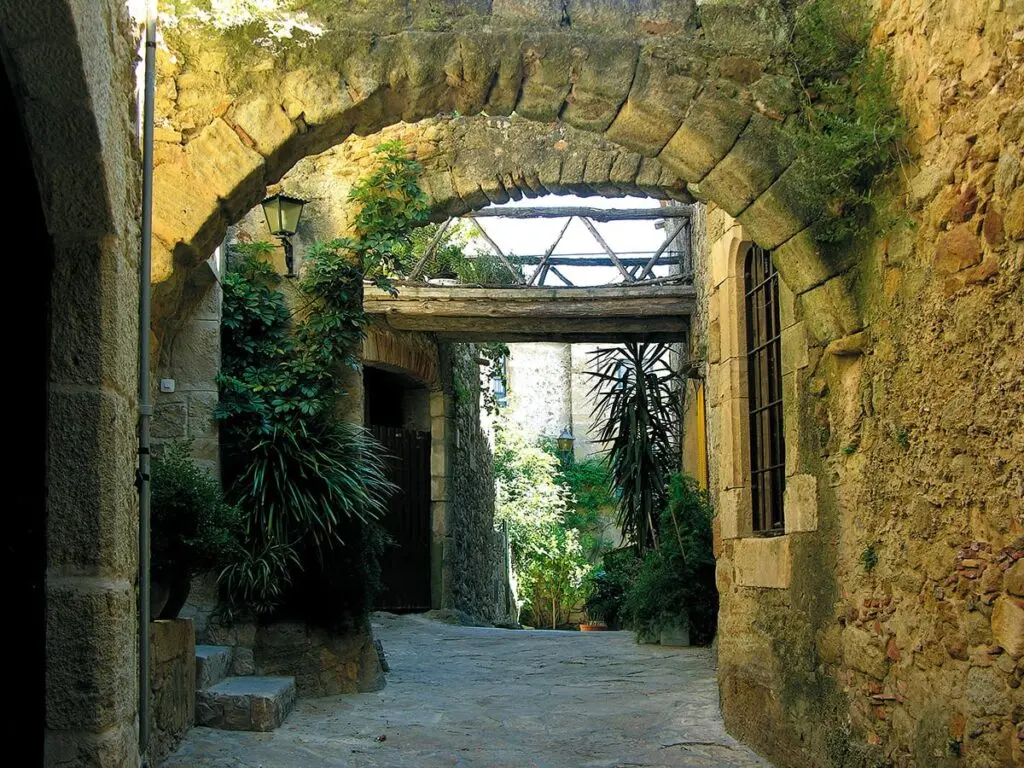
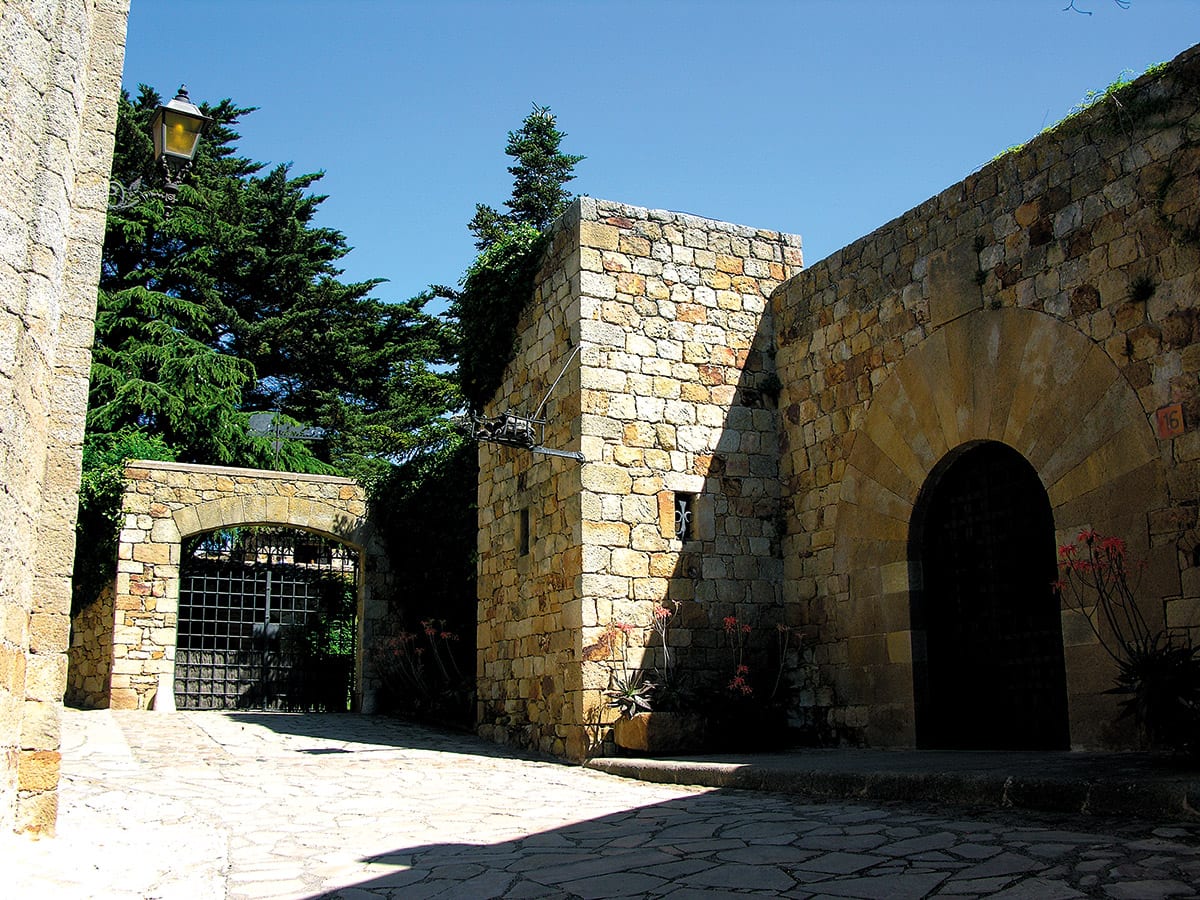
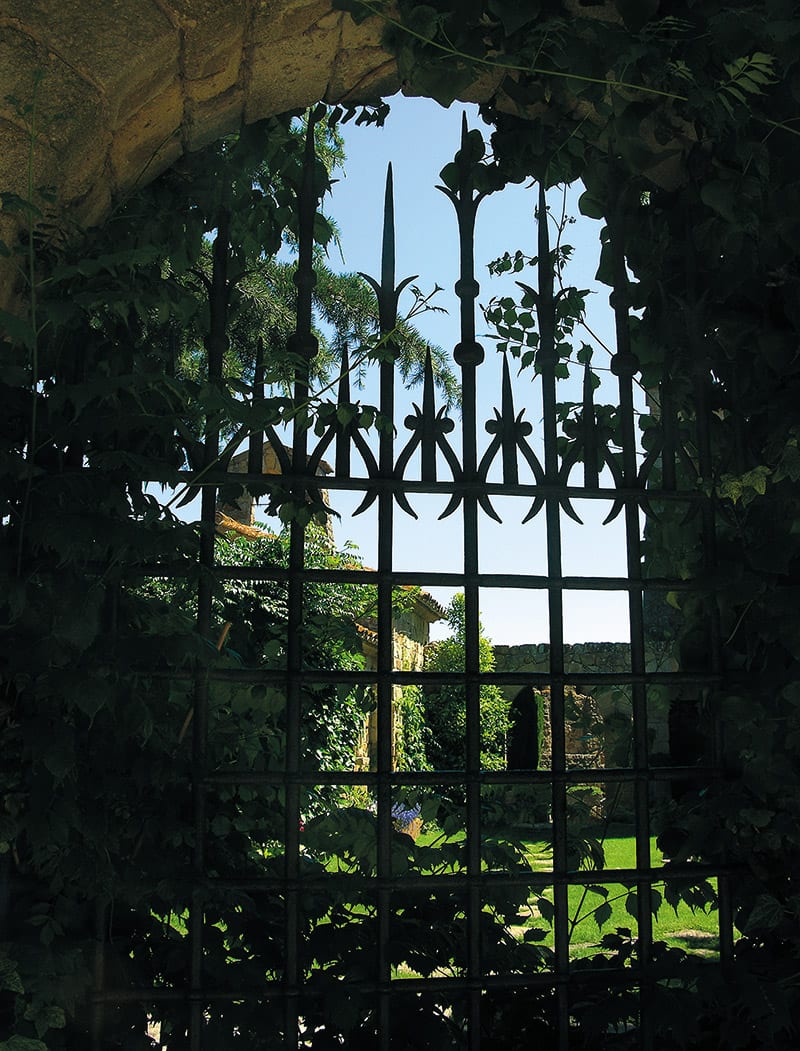
After a few steps we reach the village gates and immediately feel transported back a few centuries. Anyone looking for even a hint of modernity will search in vain. Thanks to flawless restoration, the whole village still retains its medieval structure. You can almost hear horses’ hooves clattering on the bumpy cobblestones of the little lanes. Our thoughts drift into the past… What was life like in this medieval village?
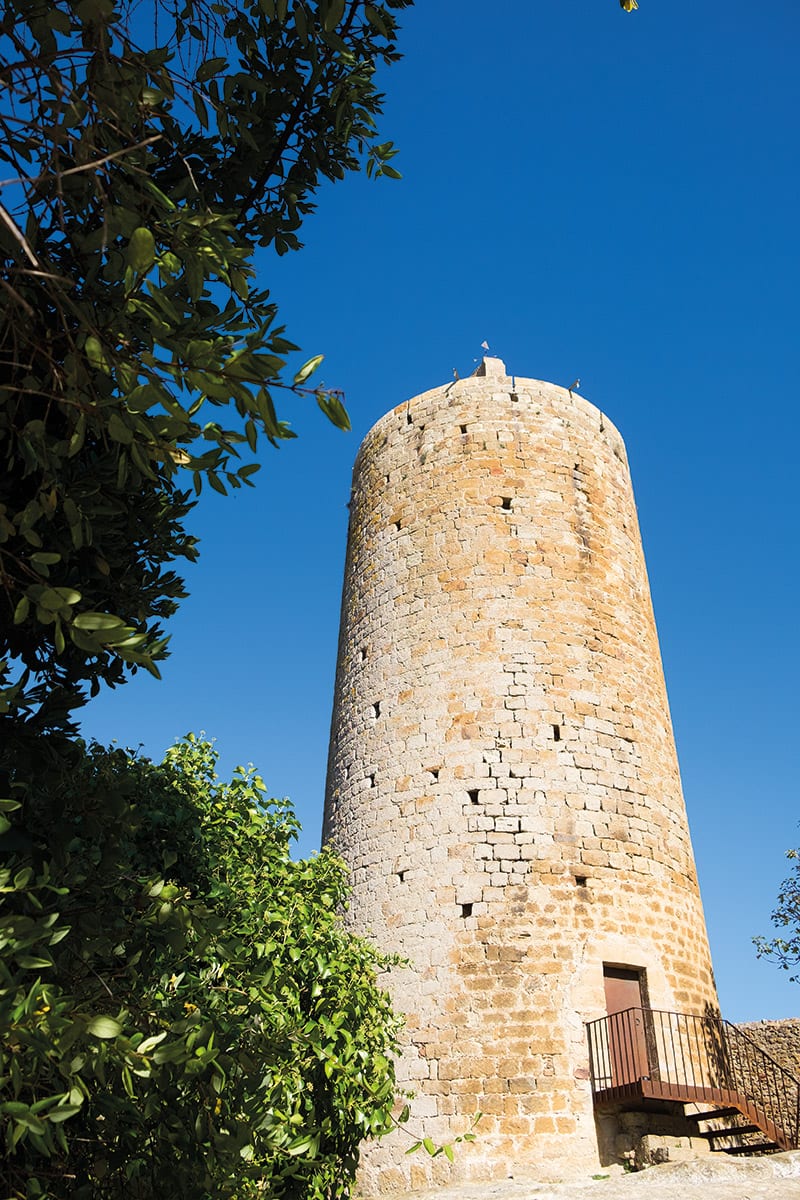
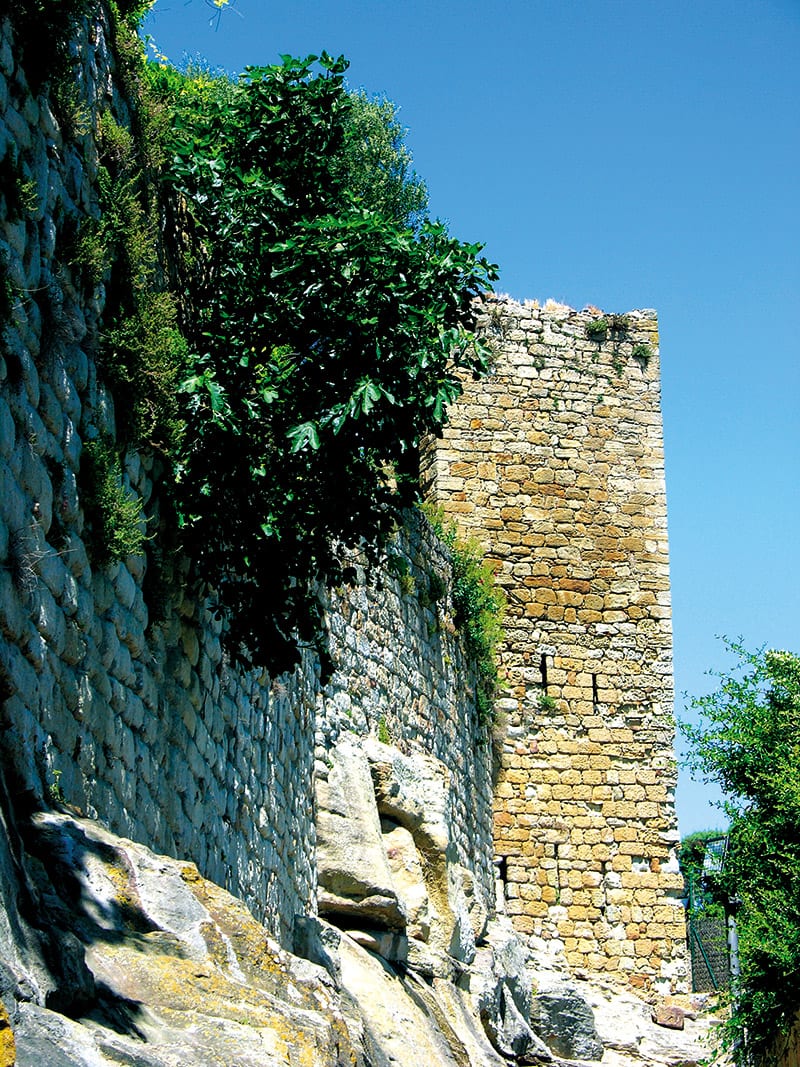
We wind our way on along the old stone walls, where ivy climbs picturesquely in many places, and reach the village’s landmark. The Torre de les Hores – a tall Romanesque tower – rises majestically on the hilltop and shapes the village’s skyline. Then we continue to a small square with a viewing platform from which you can admire the beautiful surroundings, including the deep-blue sea. On fine, clear days you can even see as far as the Medes Islands.
Once we’ve had our fill of the panoramic view – although, is that really possible? – we stroll back down the old stone steps to the centre of the medieval village. If you want something to eat afterwards, there is a nice choice – considering that Pals has fewer than 3,000 inhabitants. From charming cafés to small restaurants… you definitely won’t go hungry here!
After this first little journey back to the Middle Ages, one thing is certain: we can’t wait to see what the other nine villages have to offer!
The name and history of Pals
The name comes from Latin (palus, “marshland”) and suggests that Pals was once surrounded by lakes and marshes. The medieval old town, the Vila Vella, on the hill is a protected monument. Reconstruction of the town began in 1950 on the initiative of the doctor Pi i Figueras and the mayor Pere Servià i Canto, and Pals has since become a tourist attraction (Wikipedia).
The beach of Pals (Platja de Pals)
The municipality consists of three villages: Pals, Els Masos de Pals and Sa Punta (Platja de Pals). At Sa Punta a sandy beach of about 10 kilometres begins, interrupted by the mouth of the Ter and reaching to L’Estartit. From 1959 to 2001 a Radio Liberty transmitter site with 12 masts stood along the beach; the masts were blown up in 2006. The area is now a nature reserve (Wikipedia).


Frequently asked questions about Pals
What is worth seeing in Pals?
The Torre de les Hores, the church of Sant Pere and the medieval town center with its stone lanes.
Which medieval places are close to Pals?
Peratallada and Palau-sator are a few kilometres away. All three can easily be combined in one day.
How many people live in Pals?
According to Wikipedia 2,534 (2025).
How far is Pals from Barcelona?
According to Wikipedia Pals lies 105 kilometres north-east of Barcelona in the Baix Empordà.
What does the name Pals mean?
It comes from Latin (palus) and means “marshland”. This suggests that Pals was once surrounded by lakes and marshes (Wikipedia).
Does Pals have a beach?
Yes. The municipality includes Sa Punta (Platja de Pals). A sandy beach of about 10 kilometres begins there, interrupted by the mouth of the Ter and reaching to L’Estartit (Wikipedia).
Who rebuilt the old town of Pals?
Reconstruction began in 1950 on the initiative of the doctor Pi i Figueras and the mayor Pere Servià i Canto (Wikipedia).
What was the transmitter site on the beach at Pals?
From 1959 to 2001 Radio Liberty used a site with 12 masts on the beach. The masts were blown up in 2006 and the area is now a nature reserve (Wikipedia).
Sources: Hotel Aiguablava, medieval villages, Ab in den Urlaub, Pals, Frankreich in Wort und Bild, Peratallada, Wikipedia, Pals (Girona).
More: Living nativity scene at Christmas – Pessebre Vivent in Pals, White Summer Festival in Pals.
More about Pals
- Living Nativity in Pals: Christmas 2026/27 Dates & Guide
- White Summer Festival in Pals
- White Summer Festival 2019 in Pals: a photo flashback
These stories were written in different years. Historical accounts remain identified as such; check each article for current visiting advice.