On this page
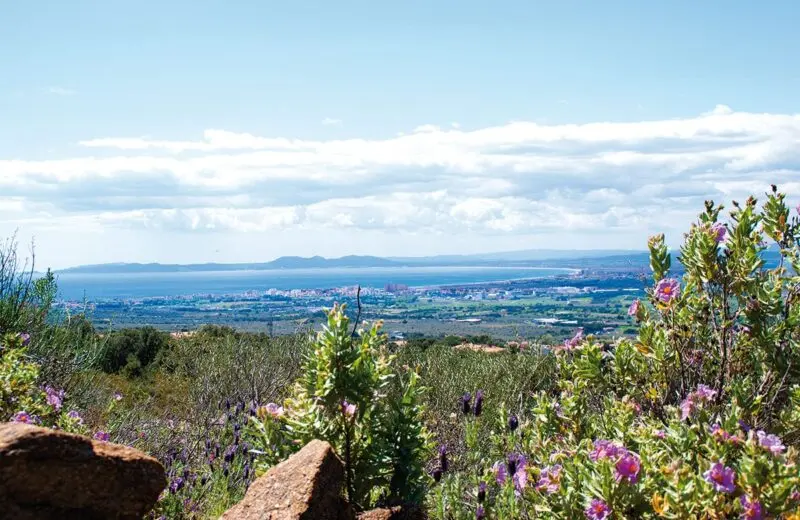
Platja d’Aro has two faces, and that is exactly what makes it interesting. By the sea is a lively resort with a sandy beach around two kilometres long, shopping streets, restaurants and nightlife. Just a few minutes inland, the medieval village of Castell d’Aro sits on a hill crowned by its castle, and to the south begins S’Agaró, one of the most elegant garden estates in Catalonia, along whose shore runs a particularly beautiful stretch of the Camí de Ronda. The municipality’s official name is Castell d’Aro, Platja d’Aro i s’Agaró.
Platja d’Aro at a glance
- Location: Baix Empordà, between Sant Antoni de Calonge to the north and Sant Feliu de Guíxols to the south, around 35 kilometres south-east of Girona
- Known for: its long town beach, shopping and nightlife, its carnival and upmarket S’Agaró
- Don’t miss: the Camí de Ronda in S’Agaró, the cove of Sa Conca and the old village of Castell d’Aro with the Castell de Benedormiens
- Ideal for: families, beach lovers and anyone who wants plenty of variety within walking distance
- Best time to visit: June and September; in July and August the town is very busy
Platja Gran and the coves
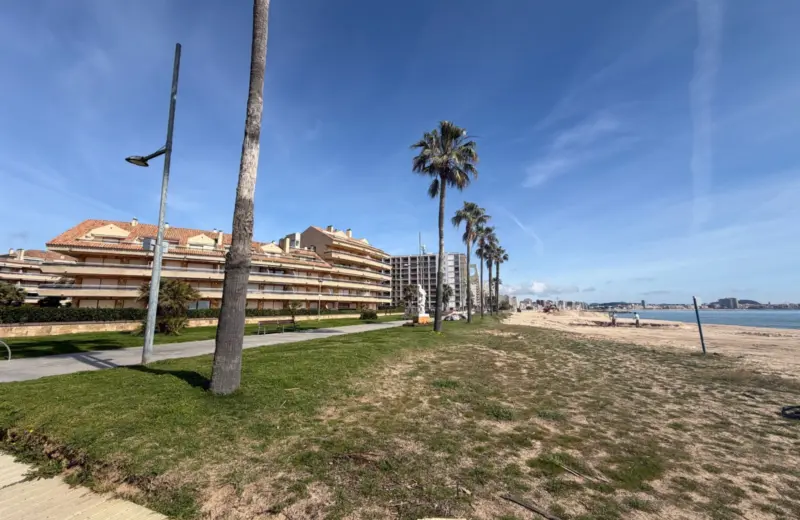
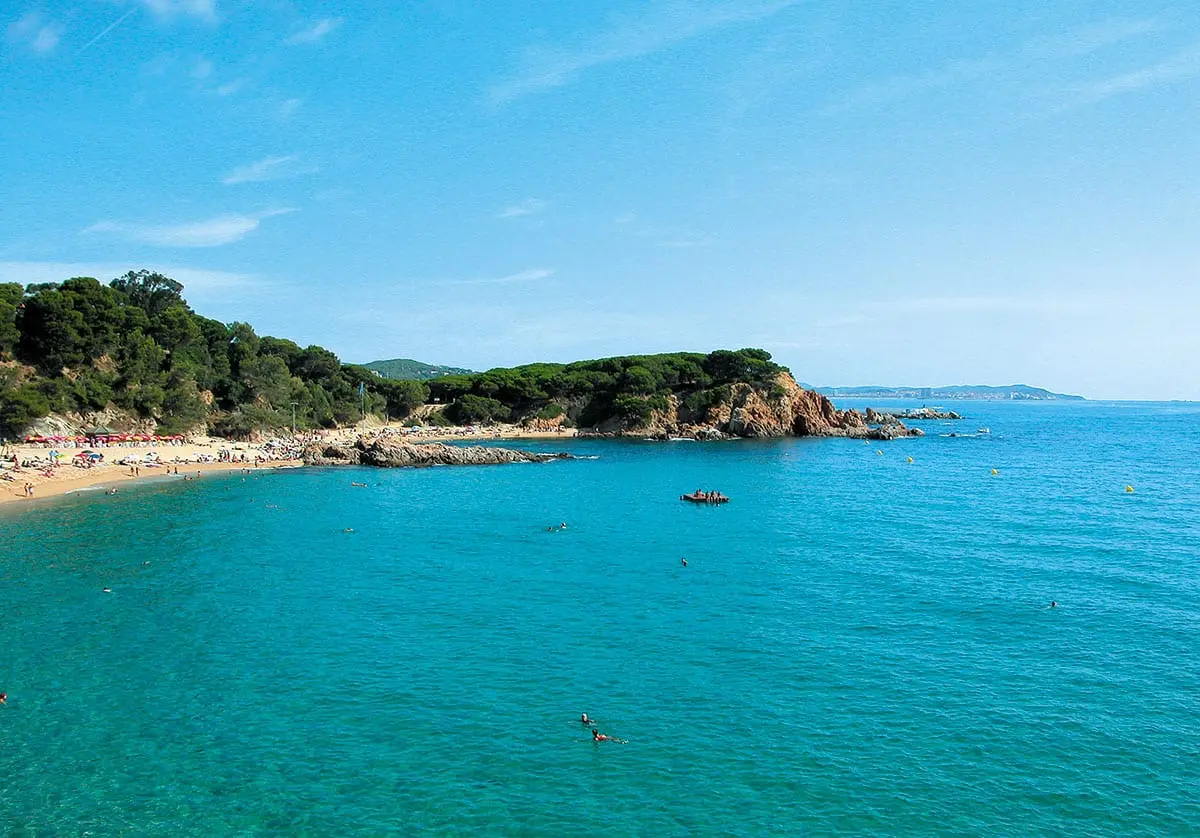
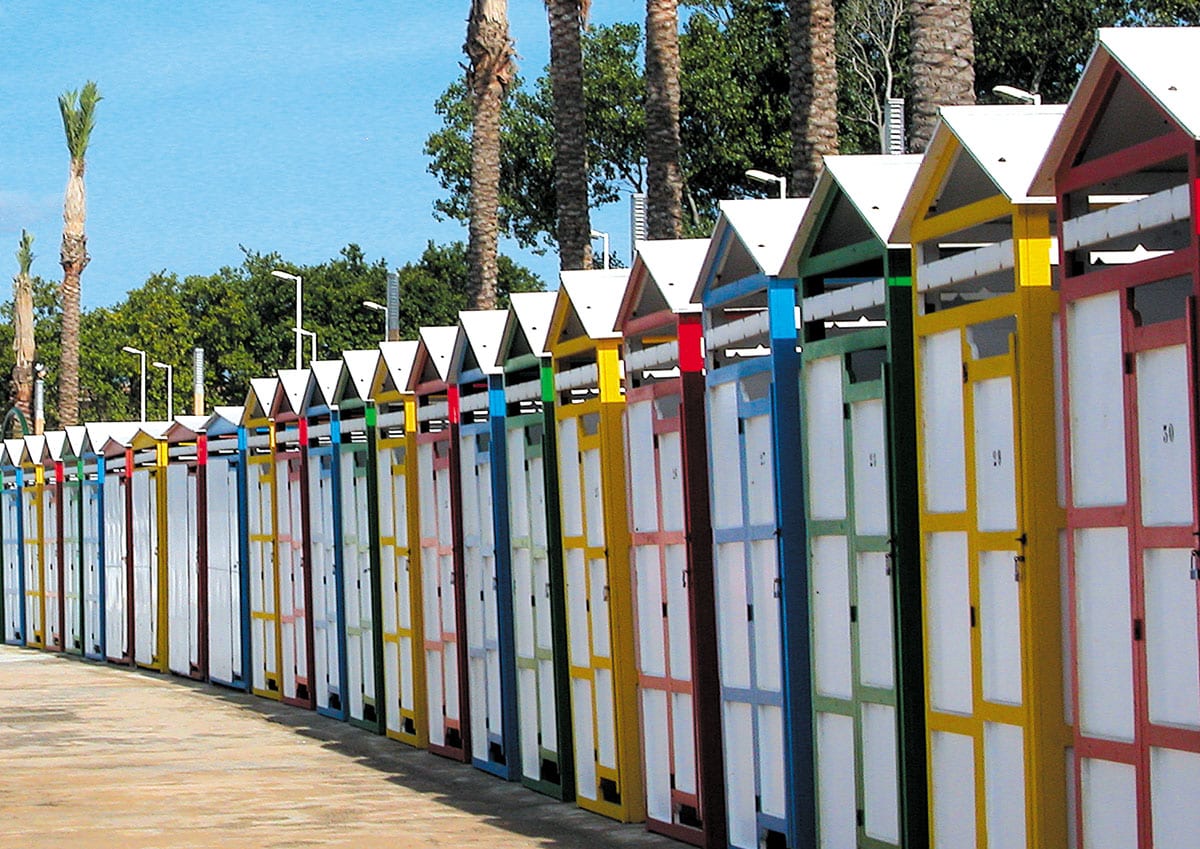
The Platja Gran sweeps in a wide arc in front of the town, with fine golden sand and gently shelving water – ideal for families. Beach bars, water sports and lifeguards make it convenient in summer, but also crowded. If you prefer somewhere quieter, there are smaller coves to the north such as Cala Rovira and Cala del Pi, framed by rocks and pine trees. To the south lies Cala Sa Conca, a sheltered cove with clear water on the edge of S’Agaró, and beyond it Sant Pol beach with its colourful beach huts.
S’Agaró and the Camí de Ronda
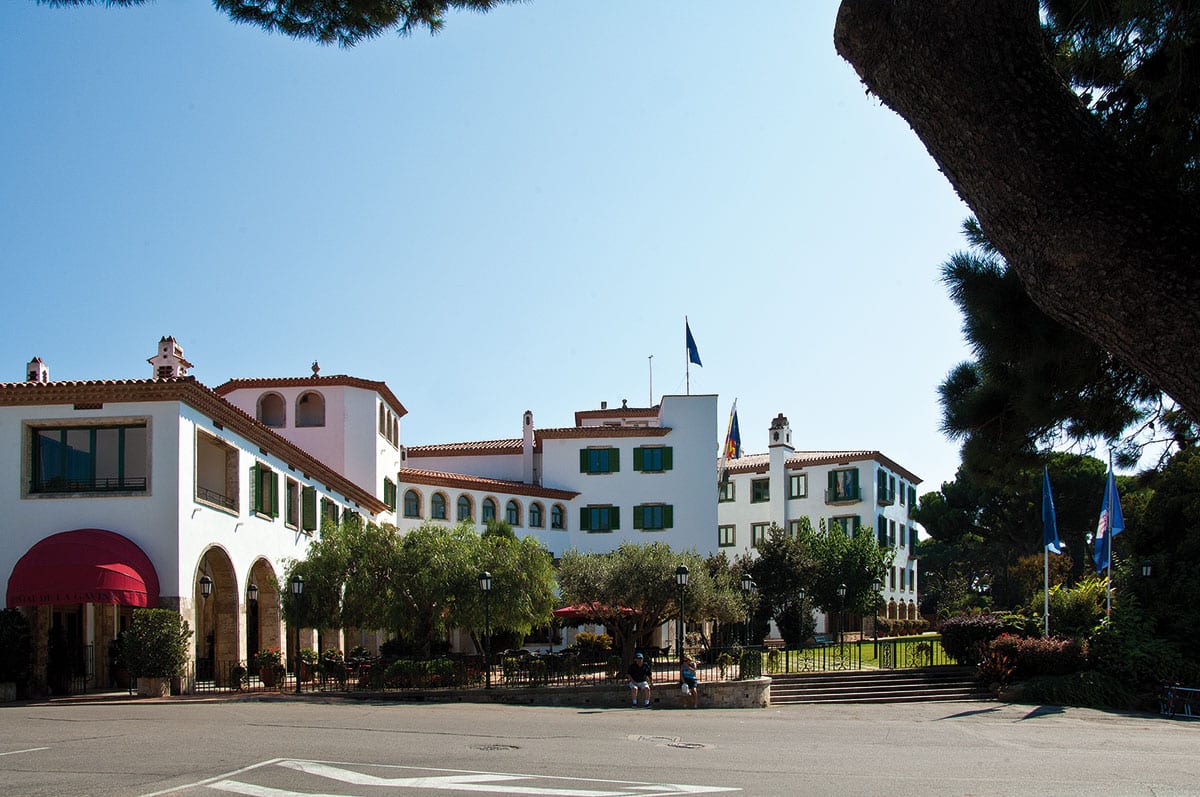
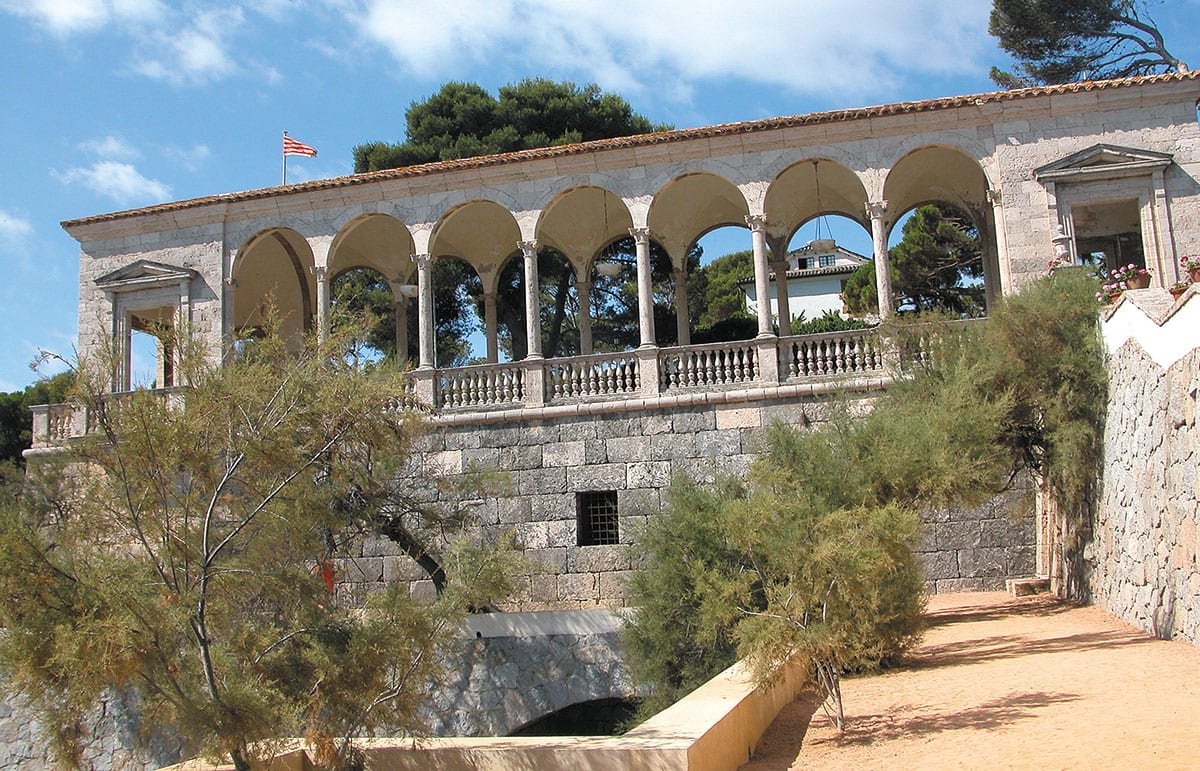
S’Agaró was laid out from 1916 onwards as an exclusive villa estate by Josep Ensesa, an industrialist from Girona; the architect Rafael Masó shaped the first buildings in the style of Catalan Noucentisme. Villas with gardens full of bougainvillea, pine trees and views across the bay still stand here today. Part of the place’s mystique is the Hostal de la Gavina, where countless film stars and celebrities have stayed over the decades.
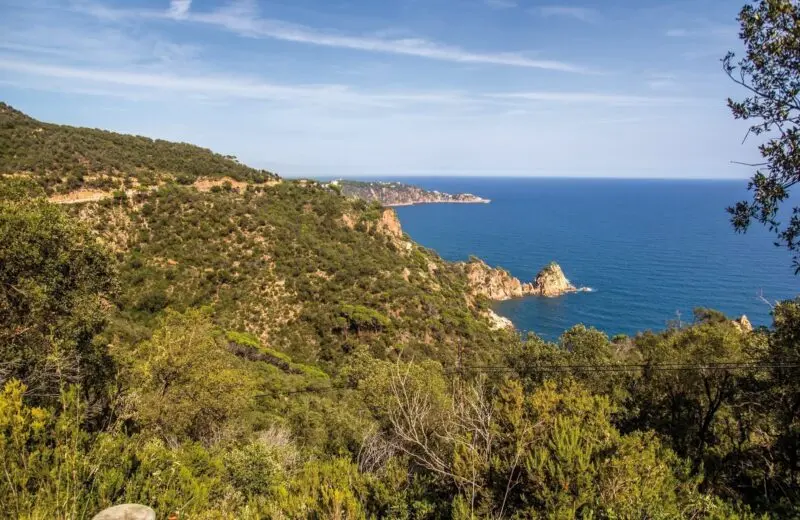
The best way to experience S’Agaró is on foot along the coast: the Camí de Ronda, part of the GR 92 long-distance trail, runs here as a well-kept promenade between villa gardens and rocky shore, from Platja de Sant Pol to Cala Sa Conca. An hour to an hour and a half is enough there and back, with plenty of viewpoints and benches along the way. If you want to keep going, follow the path on towards Platja d’Aro.

Castell d’Aro: the medieval side
About three kilometres inland lies Castell d’Aro, the historic centre of the municipality. Above the rooftops rises the Castell de Benedormiens, a medieval castle protected since 1995 as a Cultural Asset of National Interest and now used for exhibitions. Lanes wind around the castle and the church of Santa Maria through the small village – a peaceful counterpoint to the bustle by the beach. Castell d’Aro is also home to the Museu de la Nina, a doll museum, and the remains of the Roman villa of Pla de Palol can be seen nearby.
Shopping, food and going out
Platja d’Aro is one of the main shopping destinations on the Costa Brava: boutiques, sports shops and branches of well-known brands line the main street and stay open late into the evening in season. In the side streets and along the seafront you will find tapas bars, fish restaurants and ice-cream parlours. At night, Platja d’Aro is one of the liveliest places on the coast, with bars and clubs that stay open until the early hours in summer.
Carnival and festivals
The Platja d’Aro carnival was revived in 1978 and is now one of the biggest on the Costa Brava: thousands of costumed participants and elaborately decorated floats fill the streets for the grand parade. In summer there are also concerts, fireworks and festivals in the different parts of the municipality. The tourist office publishes the current dates.
Getting there and parking
From Girona, Platja d’Aro is about 35 minutes by car via the C-65 and C-31. Buses link the town with Girona, Barcelona and Girona airport. In high season, parking near the beach is scarce and usually paid; multi-storey car parks and car parks on the edge of town are the more relaxed option. S’Agaró and Sant Feliu de Guíxols are easy to reach on foot or by bike.
Our suggestion for a day in Platja d’Aro
In the morning, walk the Camí de Ronda from Platja de Sant Pol through S’Agaró to Cala Sa Conca, with a swim in the cove. At lunchtime, head back to Platja Gran for paella or fish on the seafront. In the afternoon, make a detour to Castell d’Aro for the castle and the old village. In the evening, stroll along the shopping street and enjoy a drink in one of the bars. With more time, combine your visit with Sant Feliu de Guíxols or Palamós.
Frequently asked questions about Platja d’Aro
Is Platja d’Aro good for families?
Yes. The main beach is wide, sandy and gently shelving, and there is plenty for children to do in town. For more peace and quiet, the coves on the edge of town are a better choice.
How long is the Camí de Ronda in S’Agaró?
The stretch between Platja de Sant Pol and Cala Sa Conca is a good two kilometres long and easy to walk. Allow an hour to an hour and a half there and back.
What is Castell d’Aro?
The historic centre of the municipality, a few kilometres inland, with the medieval castle of Benedormiens and the church of Santa Maria.
When is carnival in Platja d’Aro?
In February or March, depending on when Ash Wednesday falls. The grand parade takes place at the weekend.
Is Platja d’Aro lively out of season?
Quieter, but not empty: many shops and restaurants stay open in winter, and the coastal path is especially pleasant then.
Sources: Viquipèdia: Castell d’Aro, Platja d’Aro i s’Agaró, Wikipedia: S’Agaró, Platja d’Aro Tourism: Camí de Ronda de S’Agaró.
More about Platja d’Aro, Castell d’Aro & S’Agaró
These stories were written in different years. Historical accounts remain identified as such; check each article for current visiting advice.