Hot rhythms and skimpy costumes
Samba and hot disco beats instead of red noses, party horns and carnival speeches – that’s the motto of carnival on the Costa Brava. Colourful, loud and exuberant, the street carnival is celebrated in Roses, L’Escala, Empuriabrava, Platja d’Aro and many other small towns along Catalonia’s Mediterranean coast.
Breathless through the night
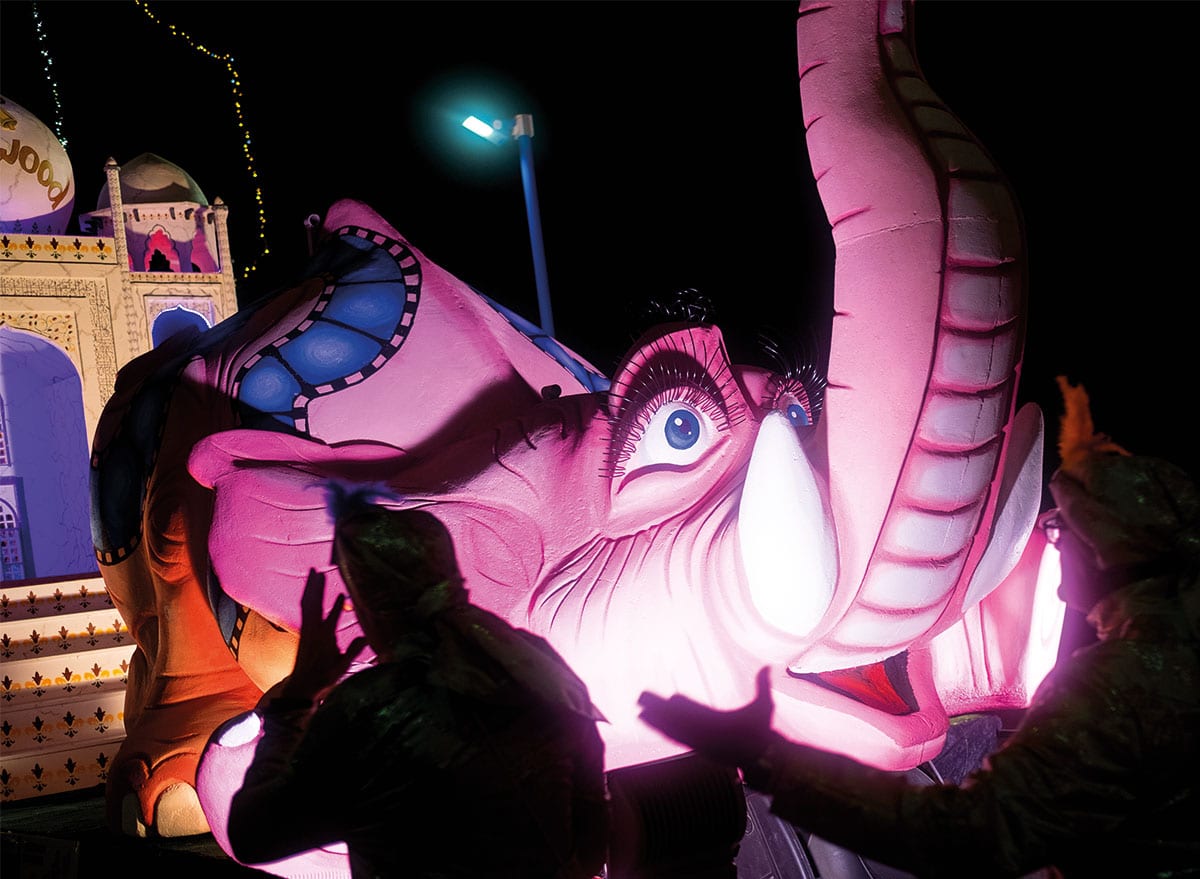
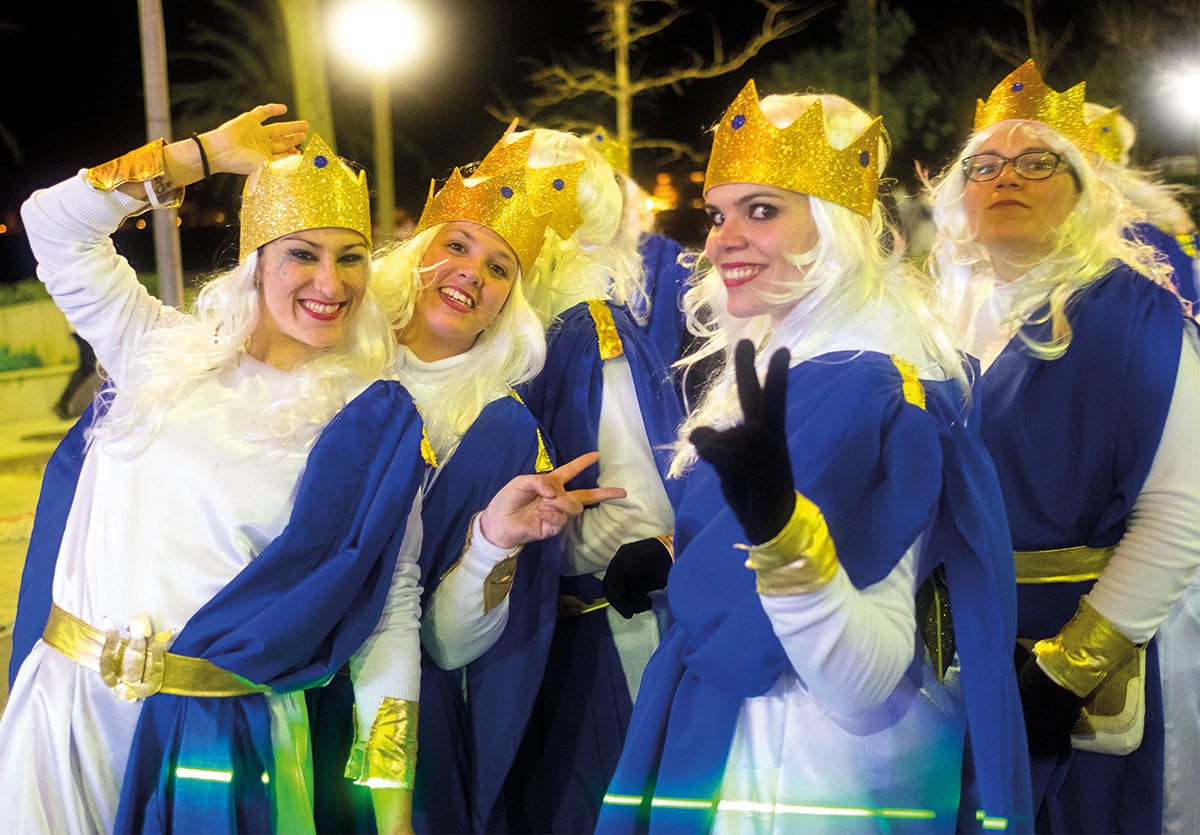
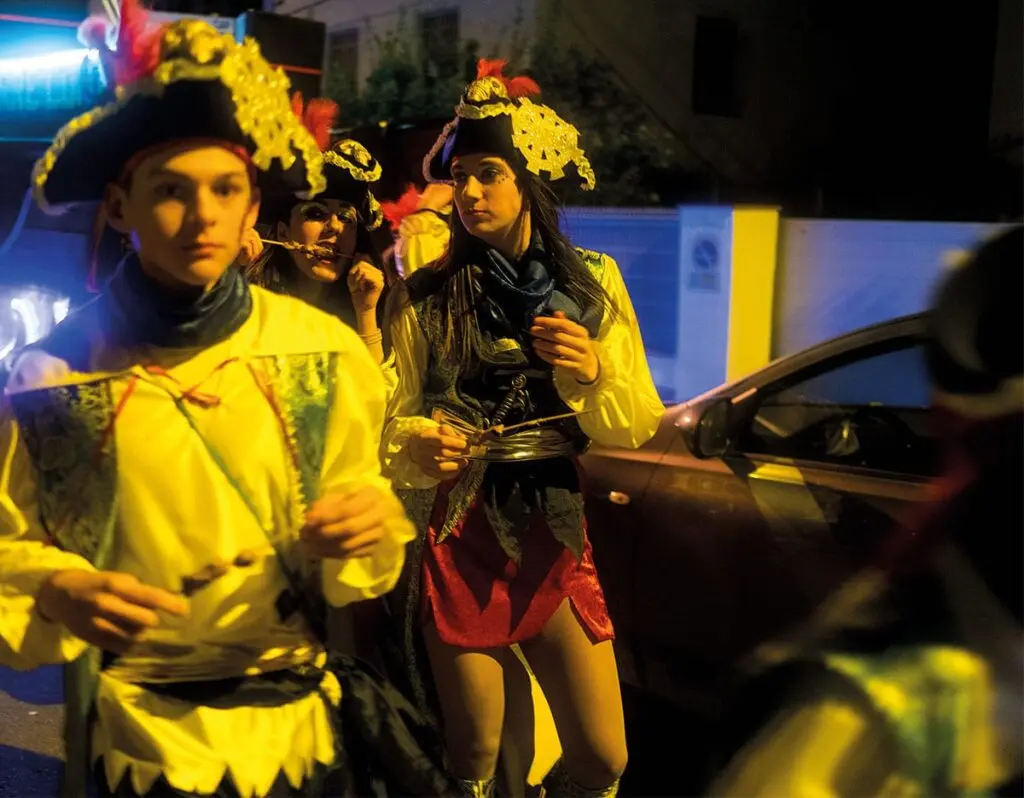
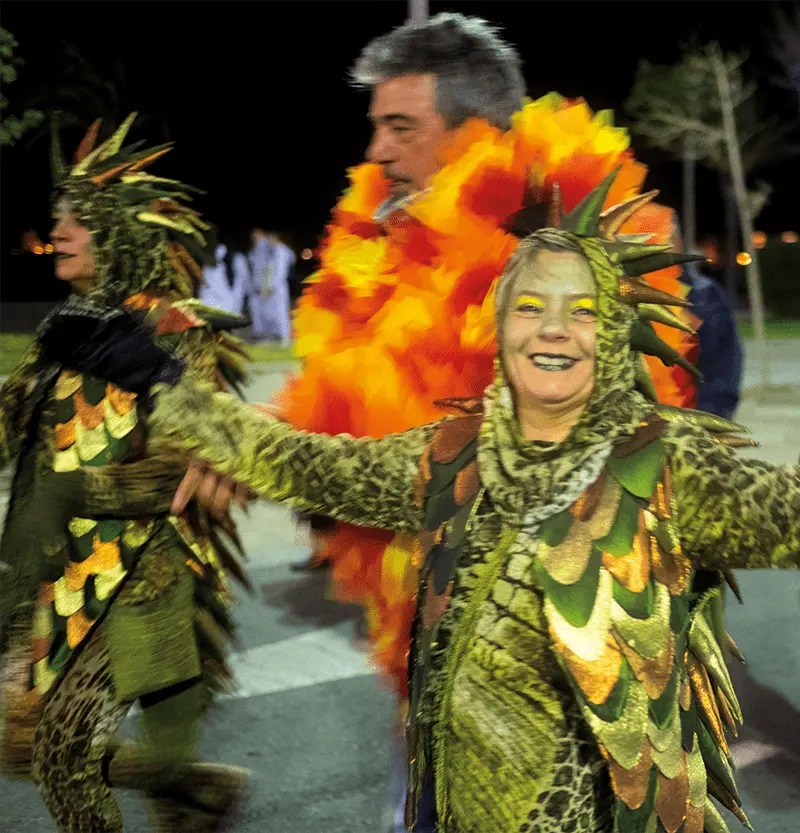
With temperatures often already spring-like, fun is guaranteed even in skimpy outfits! Salsa rhythms blare from the colourfully decorated floats. There’s a party atmosphere on the promenade. In outrageous costumes, people dance breathlessly through the night.
The beat booms far out to sea
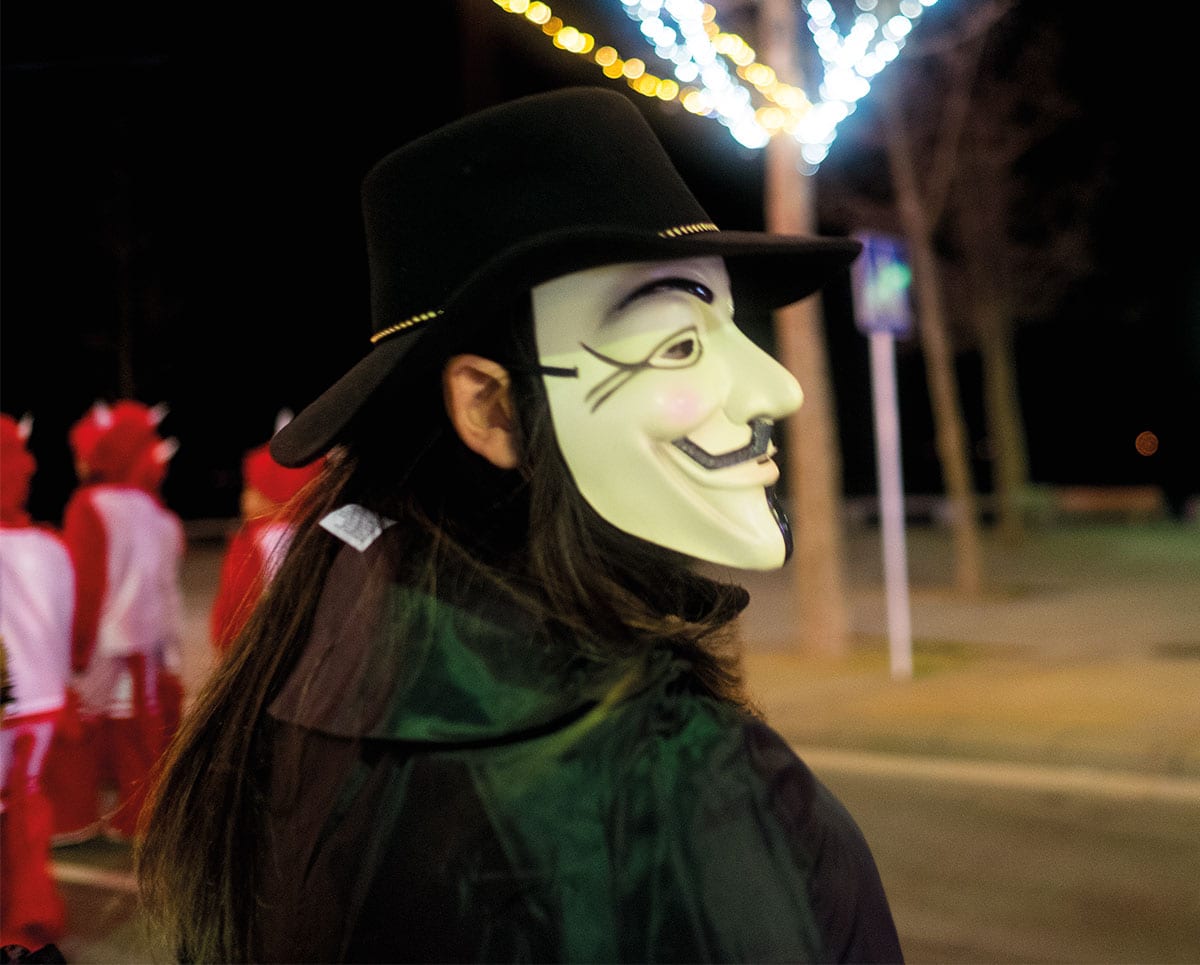
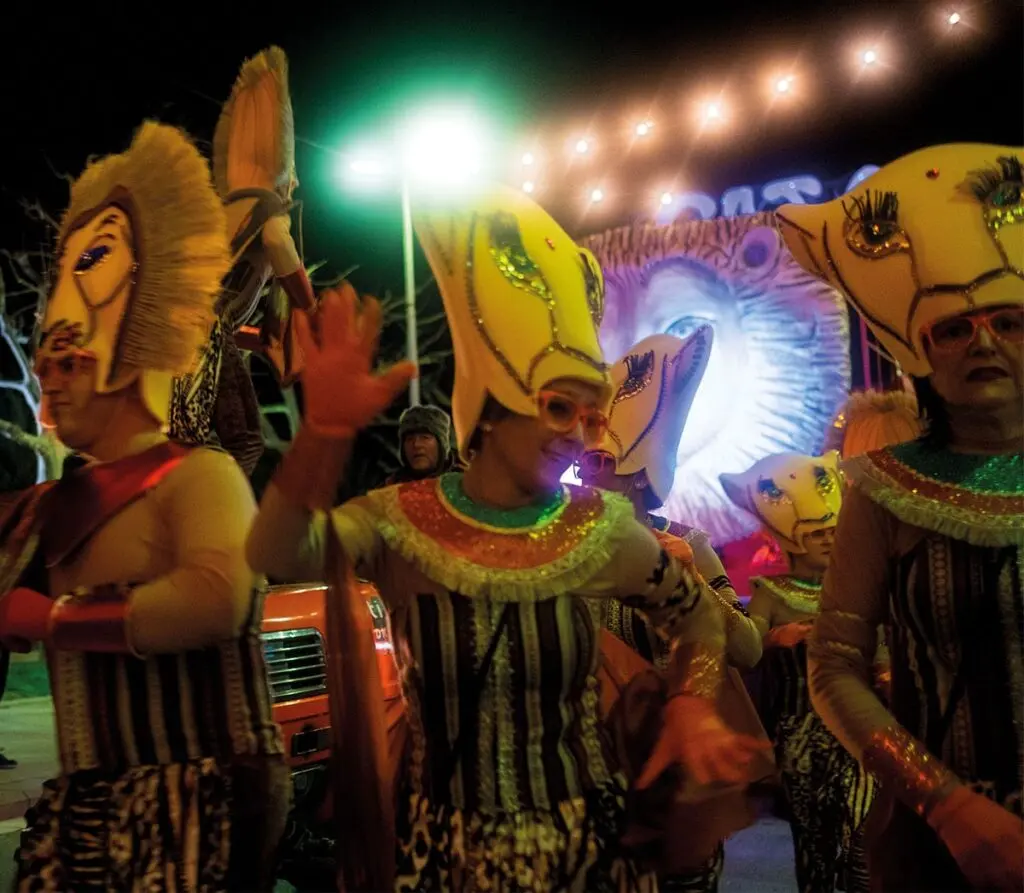
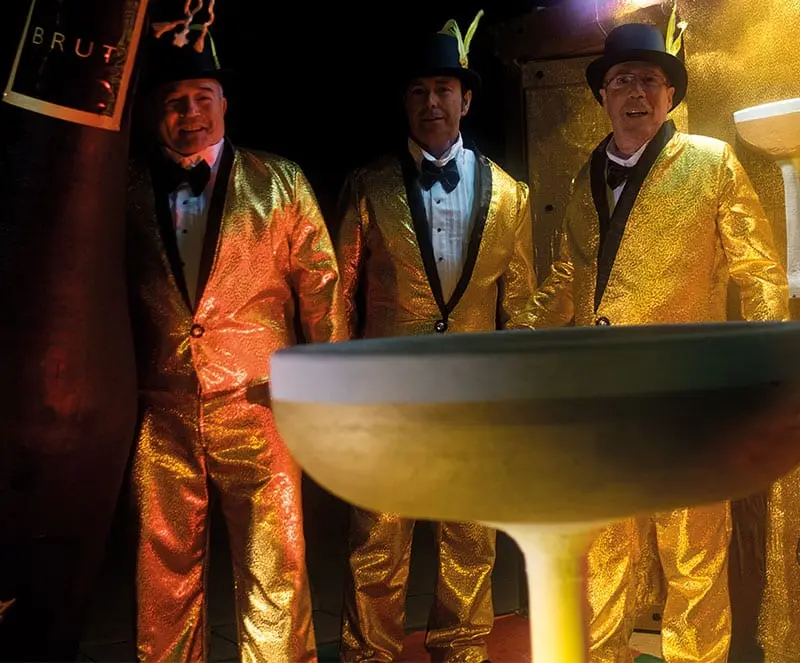
Golden knights throw themselves into battle, colourful masks laugh into the crowd: the beat echoes across the sea. To applause, the quirky floats in Roses roll from Plaça Catalunya to Plaça Frederic Rahola; people dance, flirt and sing until the walls shake.
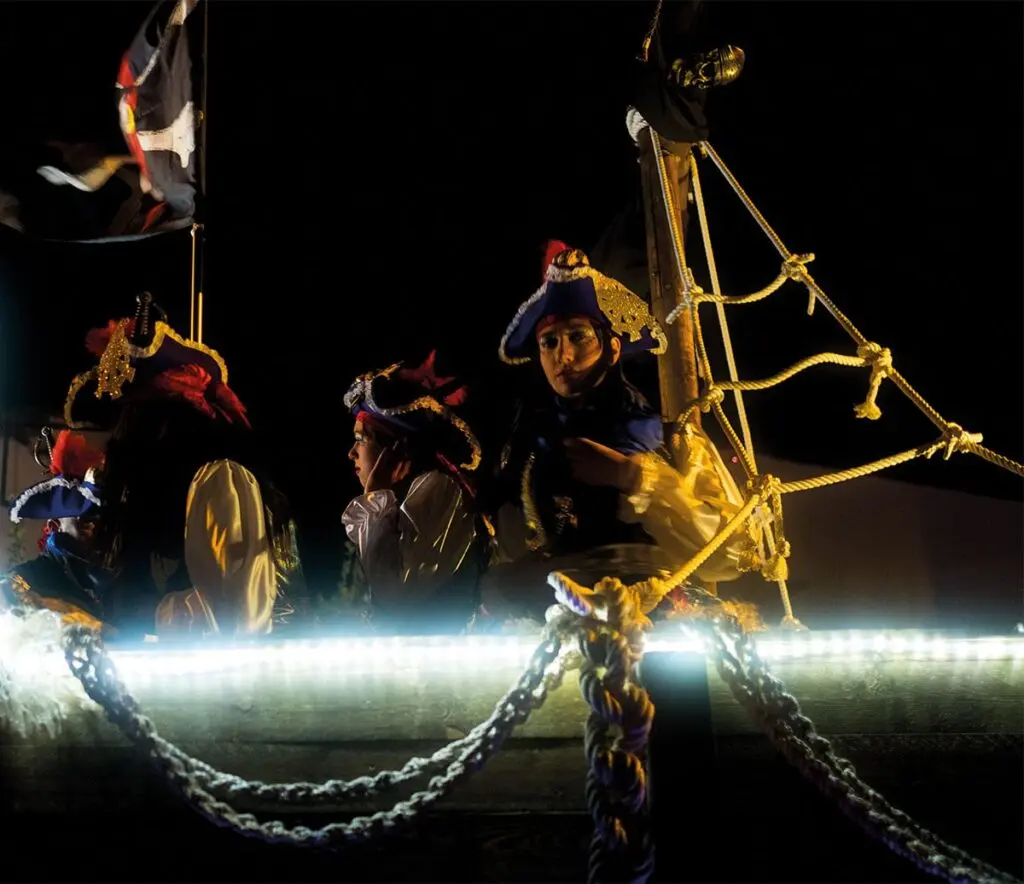
The square in front of the port trembles
That year there were 62 imaginatively decorated floats to admire, along with countless magnificent costumes. The mayor had handed the town key to King Carnival for a few days and placed the town’s fate in his hands. Only at the end of the festivities on Carnival Monday, after the “Burial of the Sardine” and a fire spectacle, was the running of the town handed back to her.
Burial of the Sardine
When strangely dressed figures roam the streets of Roses on Carnival Monday (elsewhere in Spain on Ash Wednesday), the end of the carnival season is near and carnival is officially over. When the sardine is set alight, or in some coastal towns carried burning out to sea, a big fire show or fireworks take place around it. Legend has it that something has to be destroyed so that something new can emerge …
Attempts to explain the strange custom
1. The custom is said to have originated in Madrid in the mid-19th century. Lent begins on Ash Wednesday. City dwellers went out to the countryside to bury something symbolically. As no meat was eaten during Lent, they symbolically buried a pig’s ribs – the “cerdina”. At some point, the story goes, a fateful mistake crept in as it was passed on, and “cerdina” accidentally became “sardina” – sardine.
2. In the 19th century a group of students organised a funeral procession led by a sardine to celebrate carnival one last time and at the same time symbolically usher in the coming fast.
3. King Charles III of Spain (1716–1788) is said to have banned eating meat on Ash Wednesday and ordered sardines to be served to the people instead. On Ash Wednesday it turned unusually warm and spring-like, and the sardines went bad. The stench was terrible. So a funeral for the smelly fish was organised on the spot. The spontaneous procession turned into a party and became a tradition.
4. Other legends say the symbolic offering was a plea for a rich catch.
Where the custom comes from can no longer be determined. One thing is certain: in many places in Spain it still ends carnival today with lots of fuss, smoke and bangs. And the following year the revellers are let loose again.