On this page
Palamós lives from the sea, and it shows. When the fishing boats return to port in the late afternoon, the day’s catch goes under the hammer in the fish market, and a little later the restaurants around the harbour are serving what was still in the nets a few hours earlier. Add a lively old town, a long town beach and, just a few kilometres away, some of the most beautiful unspoilt coves on the entire Costa Brava.
Palamós at a glance
- Location: Baix Empordà, between Calella de Palafrugell to the north and Platja d’Aro to the south, around 45 kilometres south-east of Girona
- Known for: the most important fishing port in the province of Girona and the red Palamós prawn
- Don’t miss: the Museu de la Pesca, the fish auction, Platja de Castell and the fishermen’s huts of S’Alguer
- For walkers: the Camí de Ronda from La Fosca via S’Alguer and Castell to Cala Estreta
- Best time to visit: May, June and September; in July and August beaches and car parks are very busy
The harbour: the heart of the town
The fishing port is the most important in the province of Girona and still a real place of work rather than a picture-postcard backdrop. The first boats come in early in the afternoon, and crates of hake, red mullet, squid and, of course, prawns are carried into the fish market. The auction is fast and loud – once you have seen it, you understand why fish in Palamós reaches the plate so fresh.
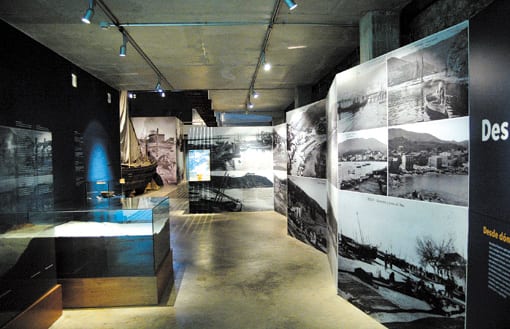
The best way in is the Museu de la Pesca right on the harbour. The museum shows how fishing, town and sea have belonged together for centuries: from traditional fishing methods and boats to the daily life of fishing families. Its Espai del Peix hosts cookery workshops and tastings with fish from the port. The museum also offers visits to the fish auction – ask there for dates and conditions.


The Palamós prawn
The town’s culinary emblem is the deep-red prawn caught in the deep waters off the coast. The “Gamba de Palamós” quality mark protects it from boat to market. It tastes best simply prepared: briefly cooked on a hot griddle with a little coarse salt. Around the harbour and in the old town, the choice ranges from simple eateries with a menu of the day to restaurants recommended by the Michelin Guide. Every year in early June, Palamós celebrates its most famous catch with the Fira de la Gamba, featuring tastings, cookery demonstrations and guided tours of the fishing port.
The old town: between church and lighthouse
The historic centre sits on a small peninsula between the harbour and the open sea. Above it all rises the Gothic church of Santa Maria, whose bell tower you can see from the beach. Steep lanes lead up to small squares and down to the water; at the tip of the peninsula stands the lighthouse, a lovely spot for the sunset. Along the harbour and the promenade, terraces invite you to linger well into the evening.
Beaches and coves
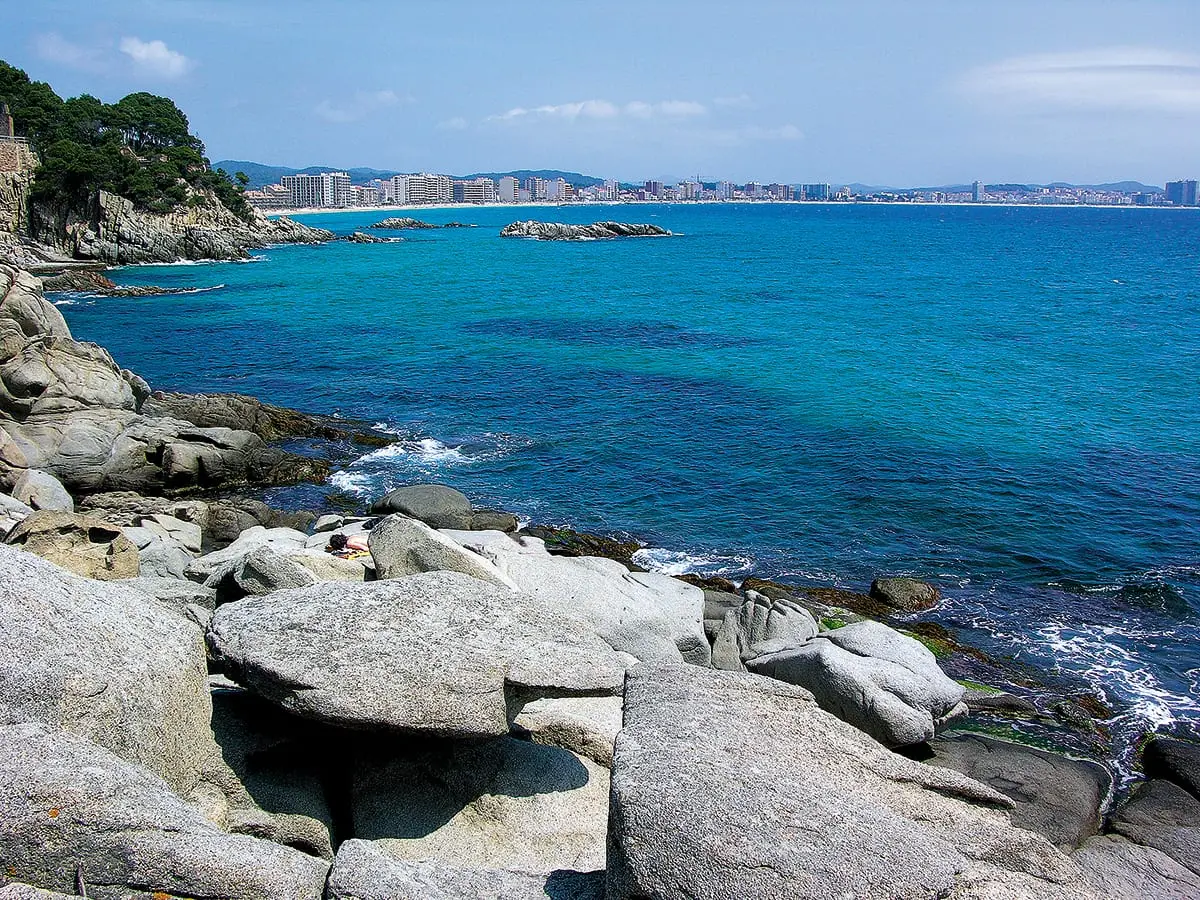
Palamós has more than a dozen beaches and coves, and they could hardly be more different:
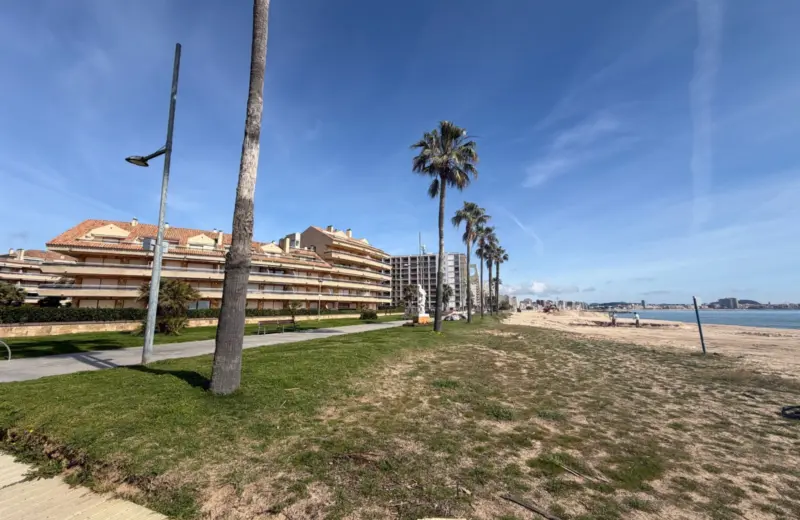
- Platja Gran: the long, wide town beach right next to the harbour – convenient, easy to reach and lively in summer.
- La Fosca: a sheltered sandy bay with calm water, ideal for families. Above the beach stand the remains of the medieval castle of Sant Esteve de Mar.
- S’Alguer: a small cove lined with the colourful doors of old fishermen’s huts, now a protected heritage site and one of the most photogenic spots on the Costa Brava.
- Platja de Castell: one of the last large undeveloped beaches on the Catalan coast. It owes its survival to the people of Palamós, who voted against building on it in a referendum in the 1990s. On the headland next to it lie the remains of an Iberian settlement.
- Cala Estreta and Cala Canyers: wild, pine-fringed coves further north, reachable only on foot or by boat.
- Cala Margarida: behind the marina, with fishermen’s houses and clear water for snorkelling.

Walking the Camí de Ronda
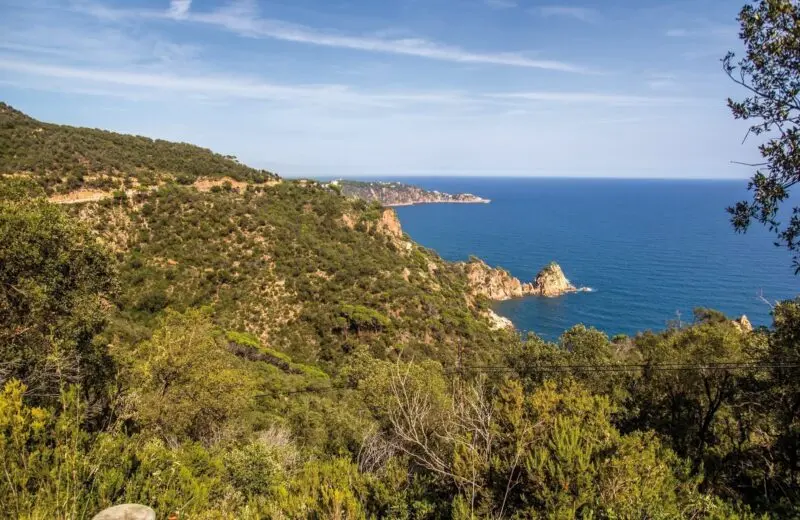
The finest way to get to know the coast of Palamós is a walk along the Camí de Ronda. From La Fosca beach the path leads past S’Alguer to Platja de Castell and on through pine woods to the secluded coves of Canyers and Cala Estreta. Allow a good two to three hours there and back, not counting swimming stops. If you keep going, you will eventually reach Calella de Palafrugell via Cap Roig. Pack sturdy shoes and water; some sections are rocky and steep.
Cyclists will find an easy alternative in the Ruta del Tren Petit, a cycle path that follows the route of a former narrow-gauge railway inland.
Festivals through the year
- Carnival (February/March): one of the liveliest parades in the region.
- Palamós Terra de Mar (May): a gathering of traditional boats with activities around the harbour.
- Fira de la Gamba (early June): the festival dedicated to the Palamós prawn.
- Havaneres (summer): evenings of Catalan sea shanties, often with a glass of cremat.
Dates change from year to year; the Palamós tourist office publishes the current programme.
Getting there and parking
By car, Palamós is about 40 minutes from Girona. Buses connect the town with Girona, Barcelona and Girona airport. In high season the car parks near the beaches fill up early; it is easier to park in town and walk to the harbour or Platja Gran. La Fosca and Platja de Castell have their own car parks, which charge in summer and fill quickly – it pays to arrive early.
Our suggestion for a day in Palamós
In the morning, swim or walk between La Fosca, S’Alguer and Platja de Castell. At lunchtime, rice or fish in one of the restaurants on the harbour. In the afternoon, the Museu de la Pesca and a stroll through the old town. Finish with the sunset at the lighthouse – and if you still have time, carry on to Platja d’Aro or the gardens of Cap Roig.
Frequently asked questions about Palamós
Can you visit the fish auction in Palamós?
Yes, the Museu de la Pesca offers visits to the auction. Check dates, duration and prices with the museum in advance.
Which beach in Palamós is best for families?
La Fosca: the bay is sheltered, the water is usually calm and shallow, and there are restaurants nearby.
What is the Palamós prawn?
A red deep-sea prawn caught off Palamós. The “Gamba de Palamós” quality mark guarantees that it was caught here and sold at the local fish auction.
How far is Platja de Castell from the town centre?
About three kilometres. You can get there by car or on foot along the Camí de Ronda from La Fosca.
Is Palamós worth visiting out of season?
Definitely. The port works all year round, most restaurants stay open, and the Camí de Ronda is at its best in spring and autumn.
Sources: Museu de la Pesca, Palamós Tourism, Petits Grans Hotels de Catalunya, Palamós.
More about Palamós
These stories were written in different years. Historical accounts remain identified as such; check each article for current visiting advice.