mountains & more
Here on the coast it really feels like summer in June. Time for an excursion towards Boadella To the reservoir and further over the summits to the small towns on the edge of the Pyrenees. We pack our camera equipment and enough drinking water in the trunk and drive off towards La Jonquera. at the junction Darnius, Maçanet de Cabrenys and Costoja Let’s leave the Nii and turn off into the mountains.
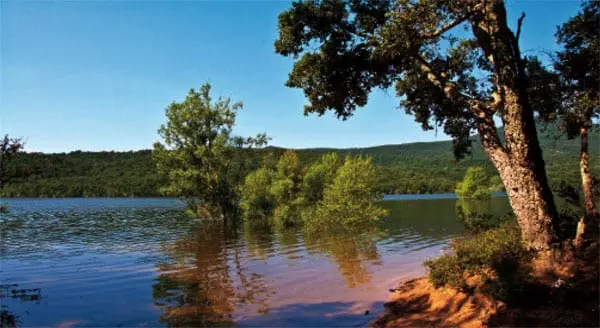
 The road leads through light cork oak forests. In front of the blue of the sky, the dark, gnarled trunks draw bizarre figures in the air. Individual straw bales are rolled yellow into the landscape. darnius lies in front of us in the morning. The avenue of ancient trees shades the road. On the left branches a path to Reservoir off The landscape at the reservoir differs significantly from the coastal landscape, which is only a few kilometers away. Boulders pile up into the water. The jay announces every intruder screeching loudly. Between pine and holm oaks you will find many different medicinal plants and herbs. In the mountains there are wild boars, wild chickens, squirrels, hedgehogs, rabbits, rabbits and badgers. Numerous bird species populate the area: the kingfisher, woodpeckers, dippers and many wild ducks enjoy themselves on the shore or in the water of the jammed muga.
The Hotel Central At the end of the paved road is a good place for lunch. also as Starting point for hikes Is it perfect? We relax in the shade on the terrace.
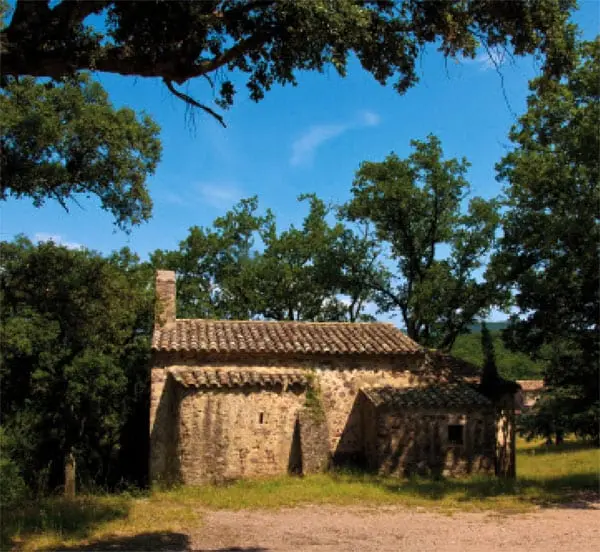
The road back to Darnius rises later Maçanet de Cabrenys and slowly squirms. A short stop at the Ermita “Sant Esteve del Lop” left in the forest. A paradise place of silence. A while later, Maçanet de Cabrenys is ahead of us. The green tunnel of Platanenallee leads us into the village. We stroll through the afternoon heavenly tranquility of the alleys and enjoy the cool mountain air. The small town is surrounded by mountains (“Roc de Campana”: 1,438 m, “Roc de Frausa”: 1,443 m and “Puig de les Pedrisses”: 1,333 m) and is located in the middle of nature. The old houses in the center crowd around the Church of St. Marti. The vegetable gardens of the residents extend towards the river. In the restaurants you can get the products of the region: mushrooms, trout, wild boar or wild rabbits are served fresh.
Vajol
The small town of La Vajol is high up on the mountain below the Coll de la Manrella, almost in France On the border with the French district of Vallespir. The Romanesque Church Església Parroquial de Sant Marti originates in its origins from the XII. century. La Vajol was the Republican government’s last refuge during the Spanish Civil War. In February 1939, 250 refugees crossed the border at La Vajol; among them the President of the Spanish Republic, Manuel Azaña, and the Presidents of Catalonia and the Basque Country, Lluís Companys and José A. Aguirre. In 1981 a memorial was inaugurated in their honor at the Coll de la Manrella. in the mine Can Canta important works of art from the Prado in Madrid were hidden during the civil war. 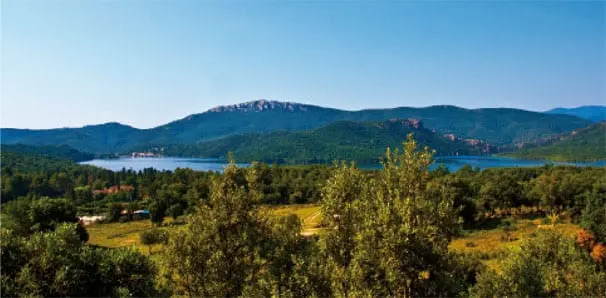 also the vault of the republic – known under the name «Tresor of Negrin» – is said to have stored there. We rest at “ca la conxita”. Here a chalk board promises farmer’s bread and land sausage. We get large slices of “Pan Con Tomato” and a delicious hearty sausage platter served. At sunset it goes back to the coast.