The largest fortress of Europe from the 18th century
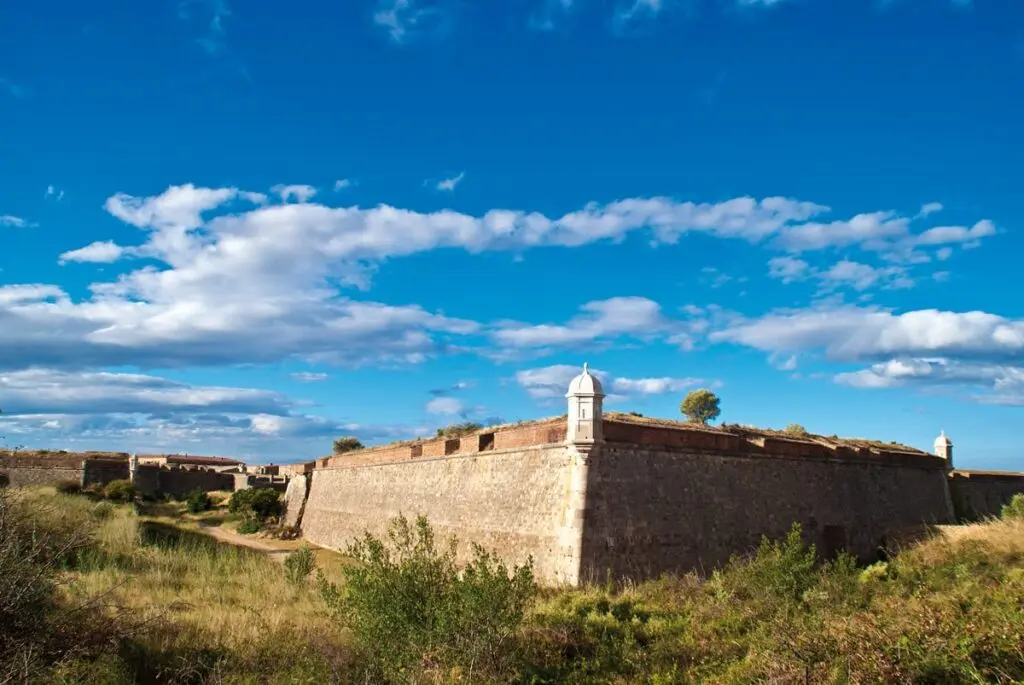
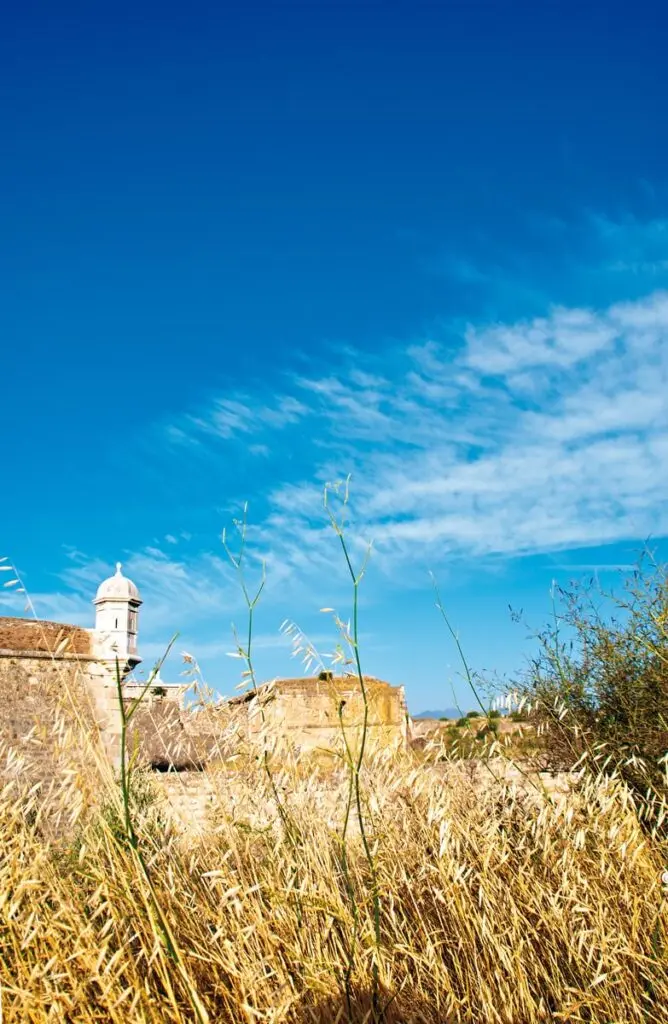
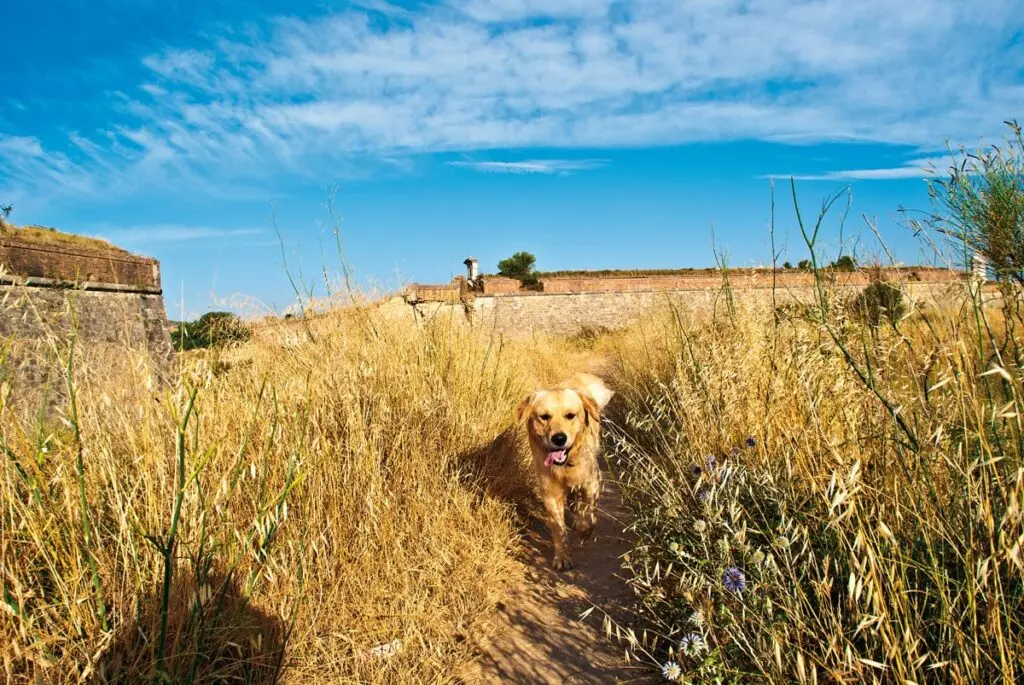
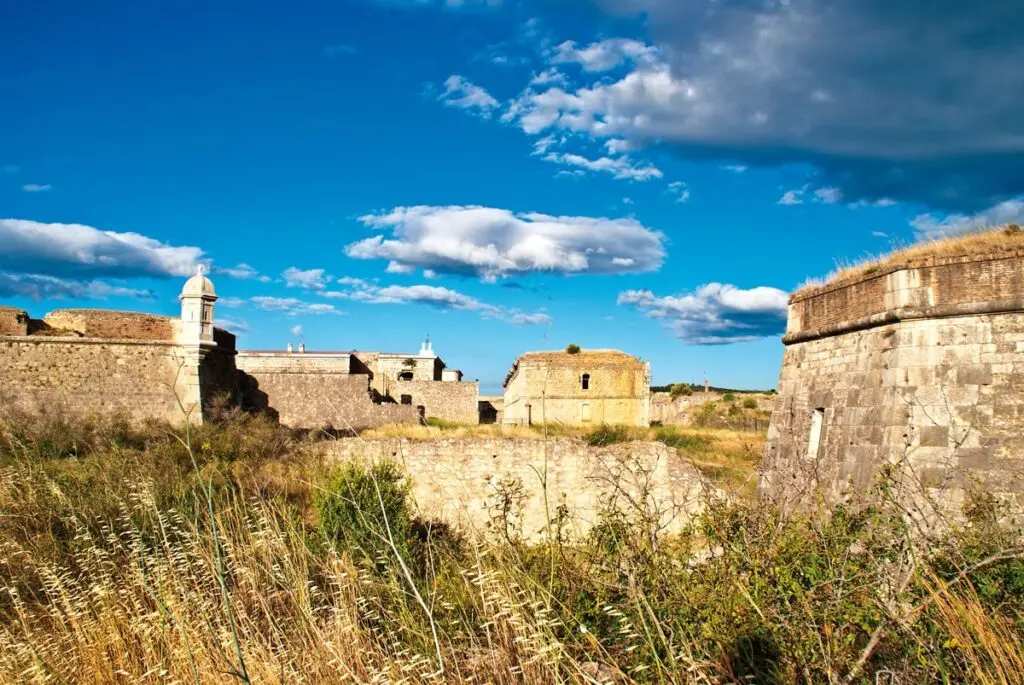
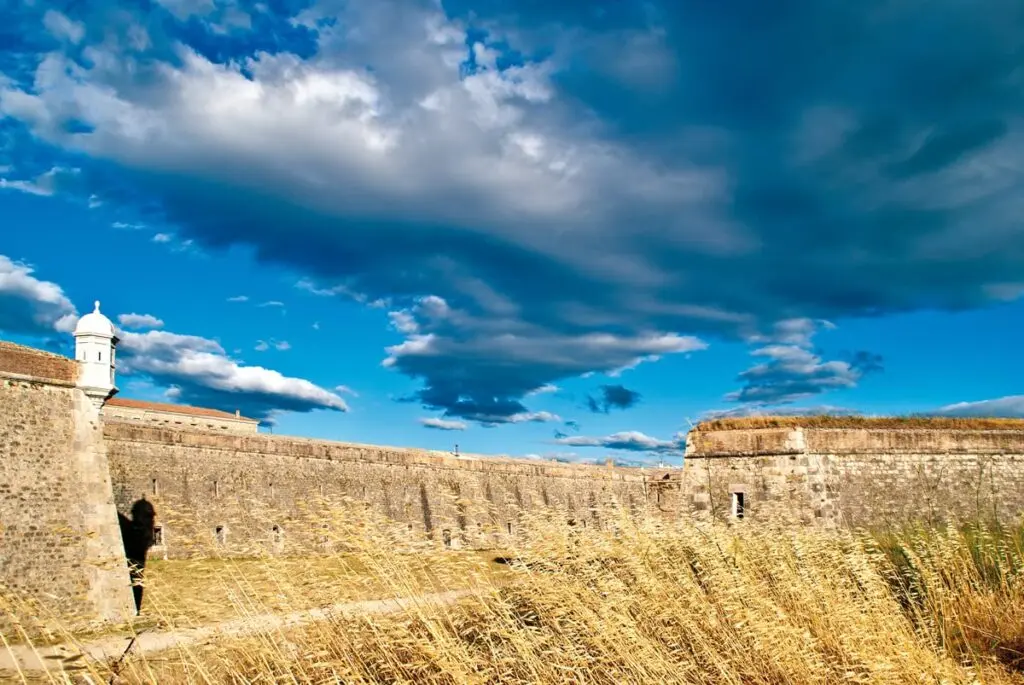
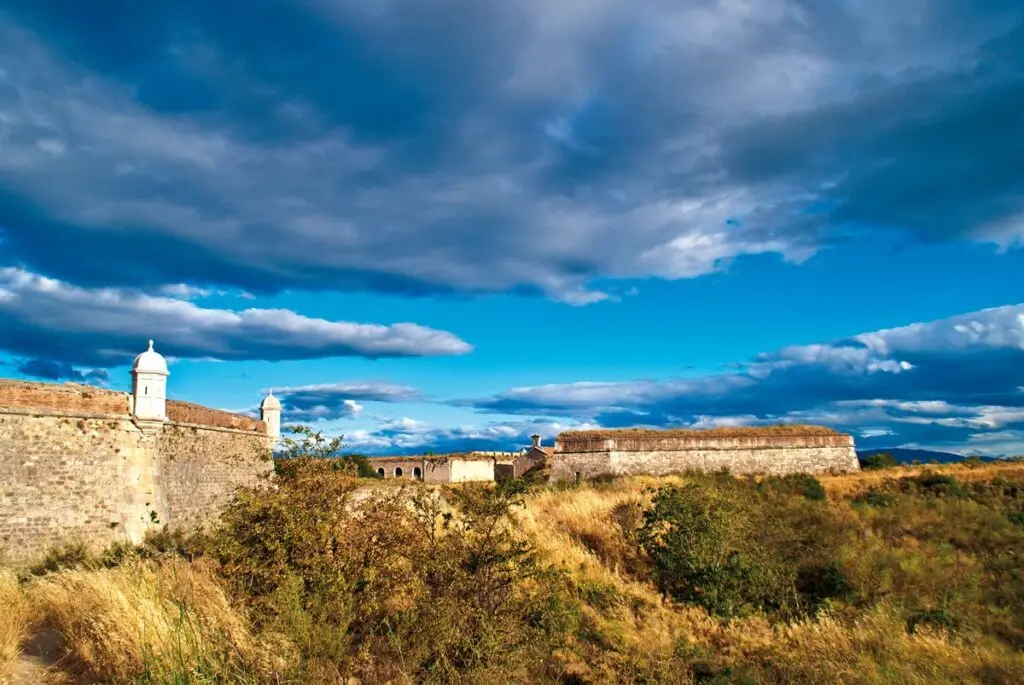
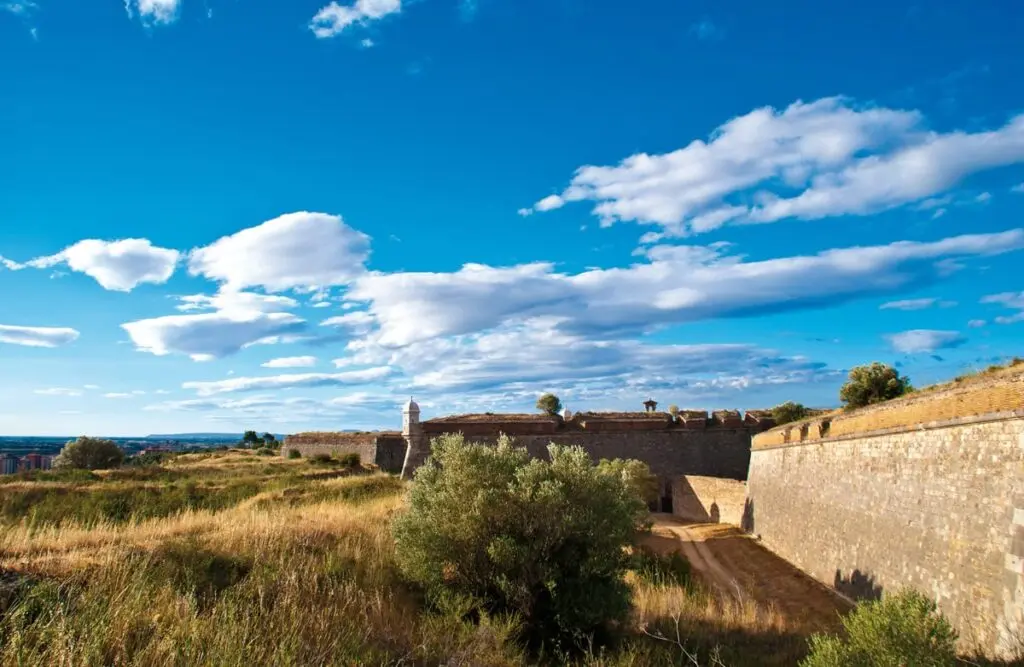
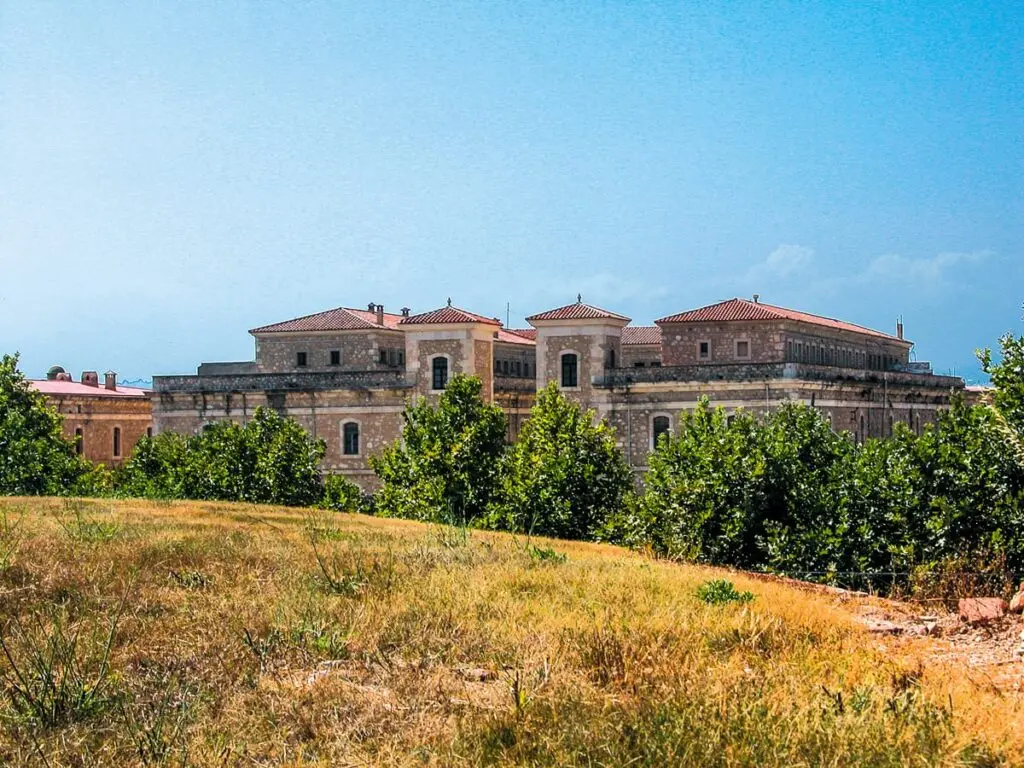
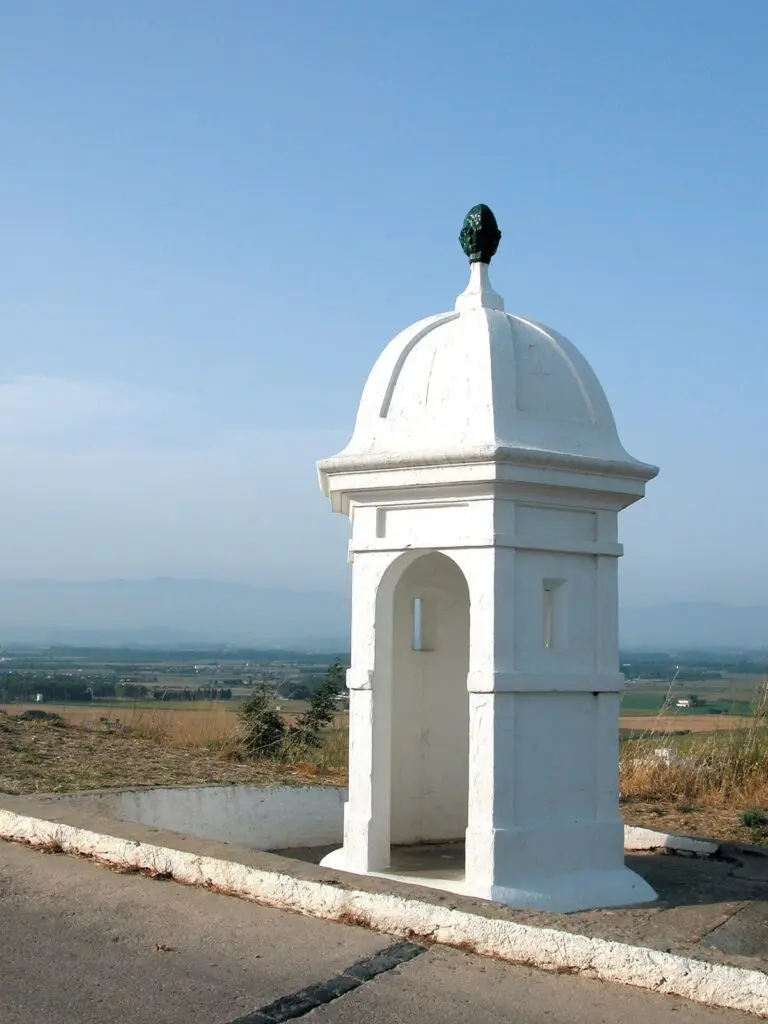
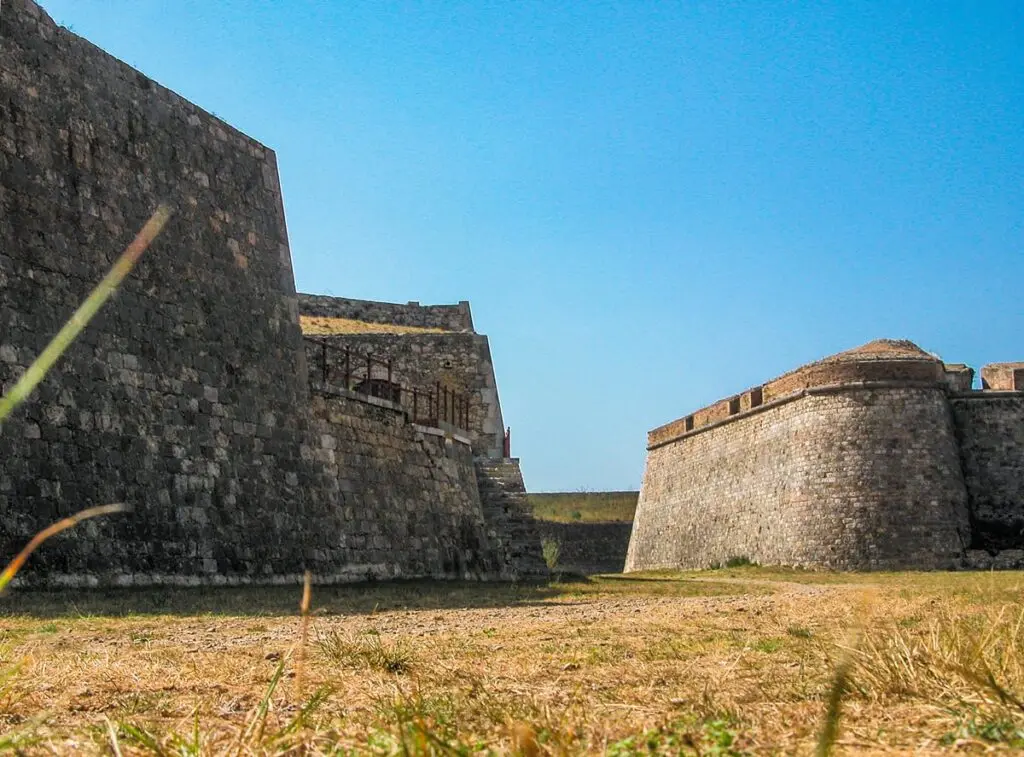
Monumental, gigantic and impressive: the castle above the city Figueres offers wide views up to Mediterranean coast and the Pyrenees. Due to its exposed location, it played an important role during the Spanish Civil War. the in 18th century An exceptionally large military fortification complex built to protect against the French. those after the then King Fernando VI. Named fortification has an outer diameter of over 3 km and covers a total of 32 hectares.
Castell de Sant Ferran at a glance
- location: Above Figueres with a wide view to the Mediterranean coast and to the Pyrenees
- construction: 1753 to 1766 under King Ferdinand VI. To protect the border from the French
- Size: Around 32 hectares, the largest fortress of the 18th century in Europe
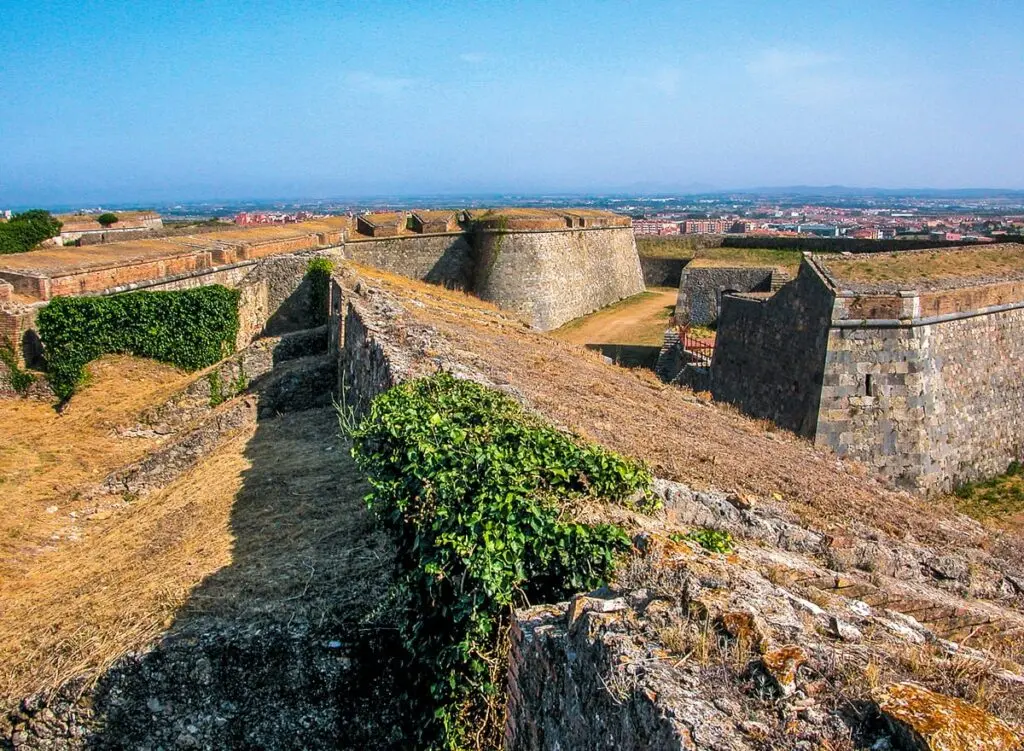
- Shape: star-shaped plant
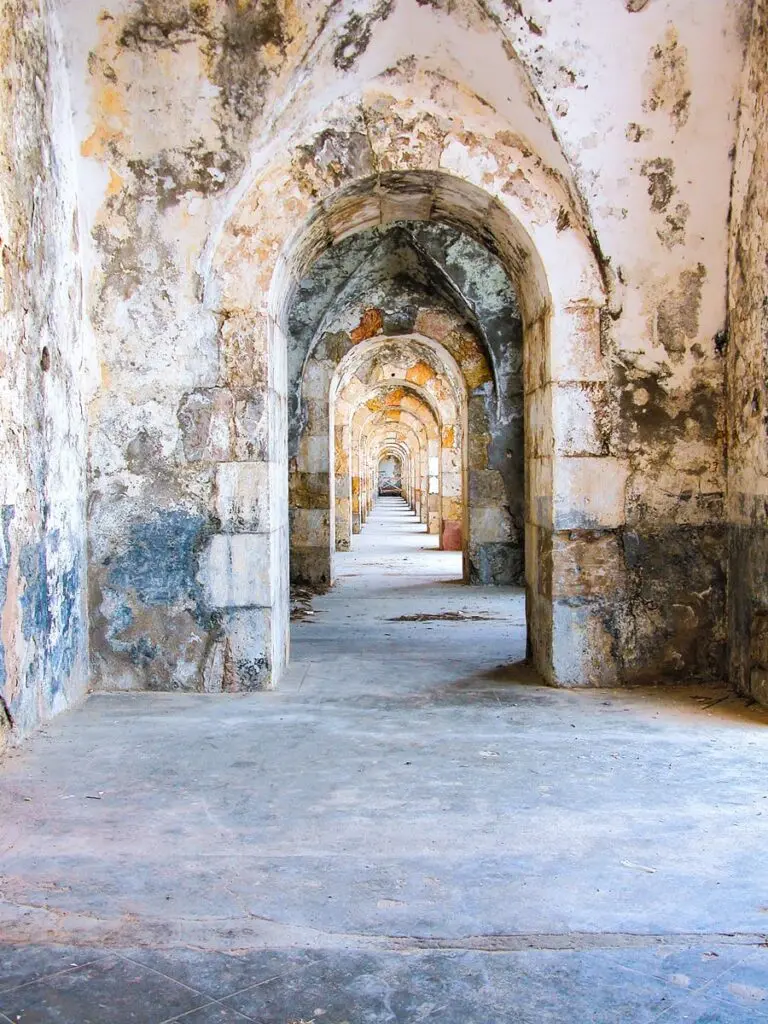
- cisterns: Huge underground water reservoirs that can be viewed as the “Cathedral of Water”
- More about Figueres: Dalí triangle
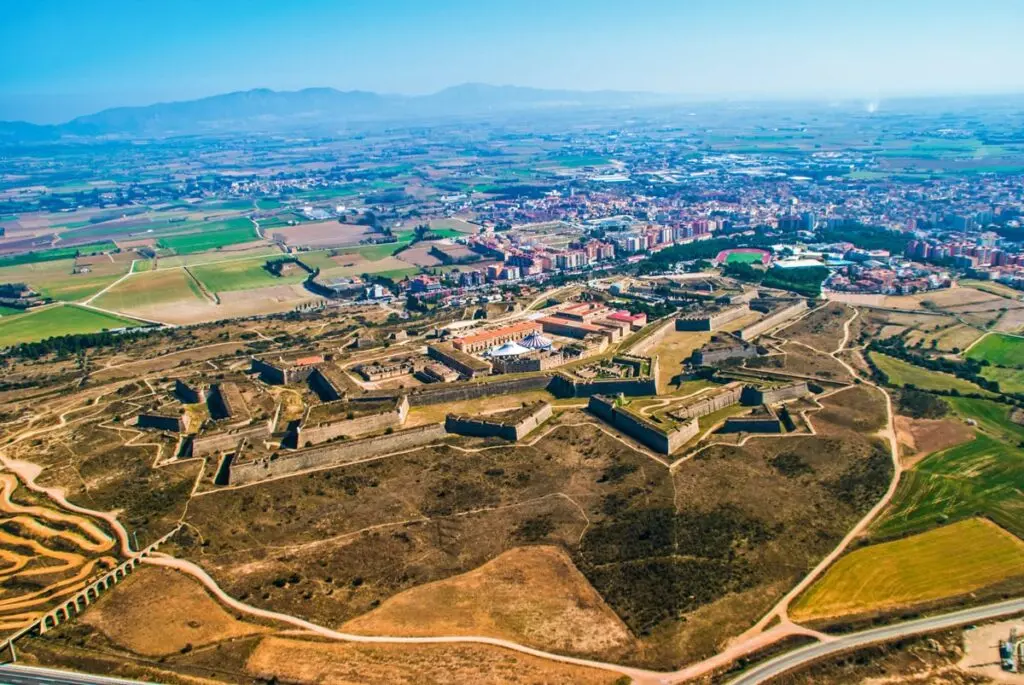
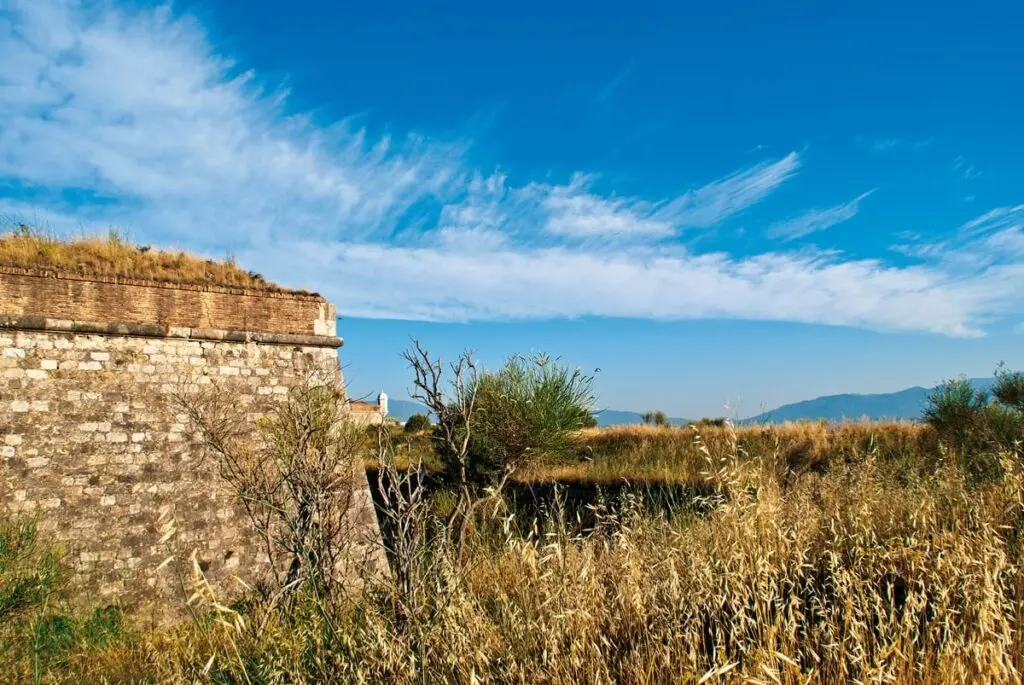
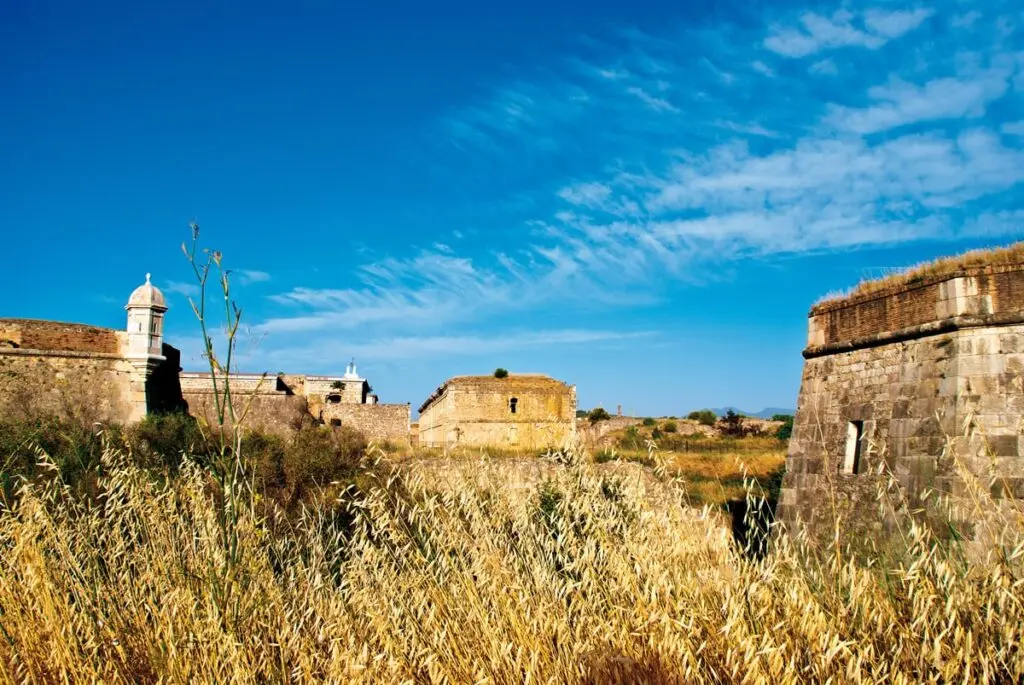
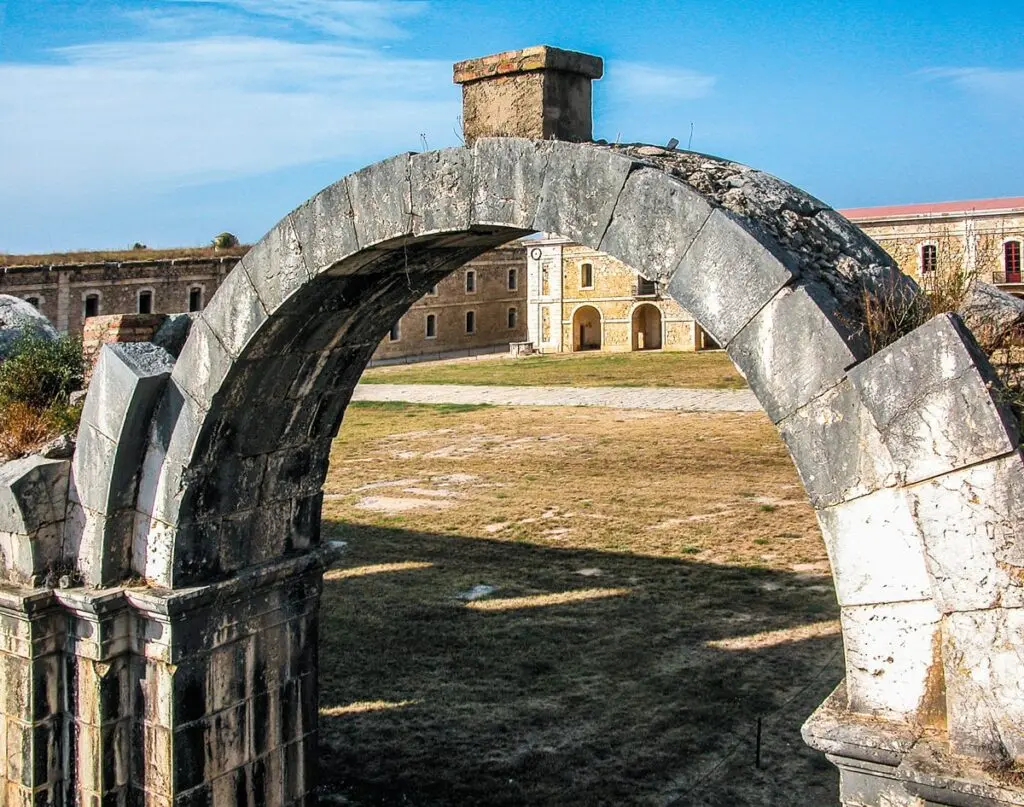
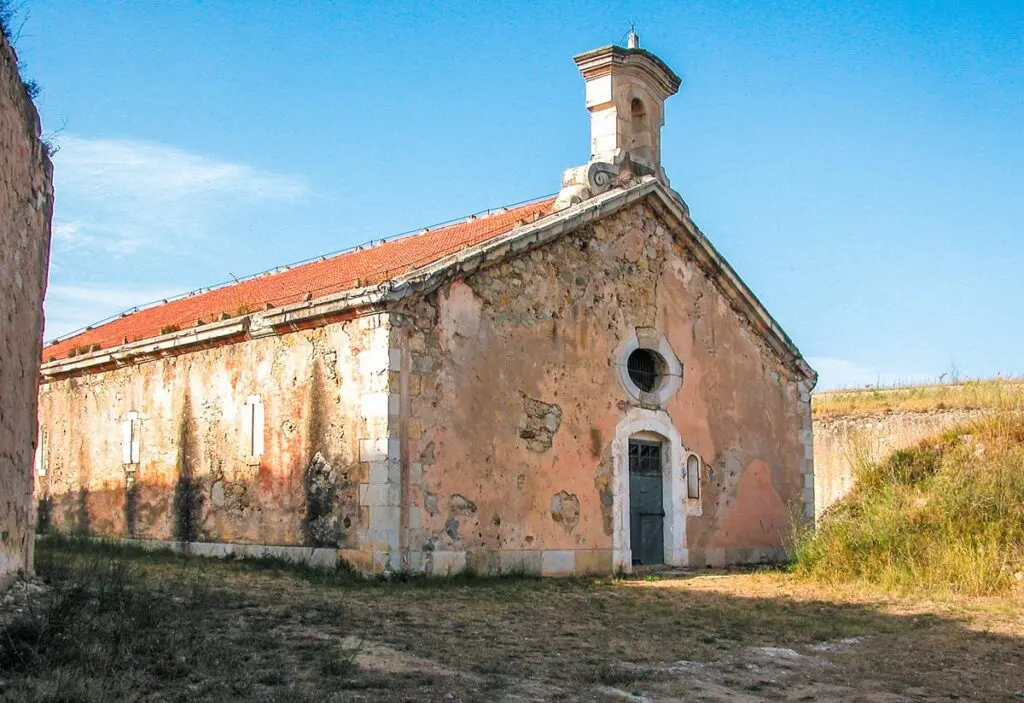
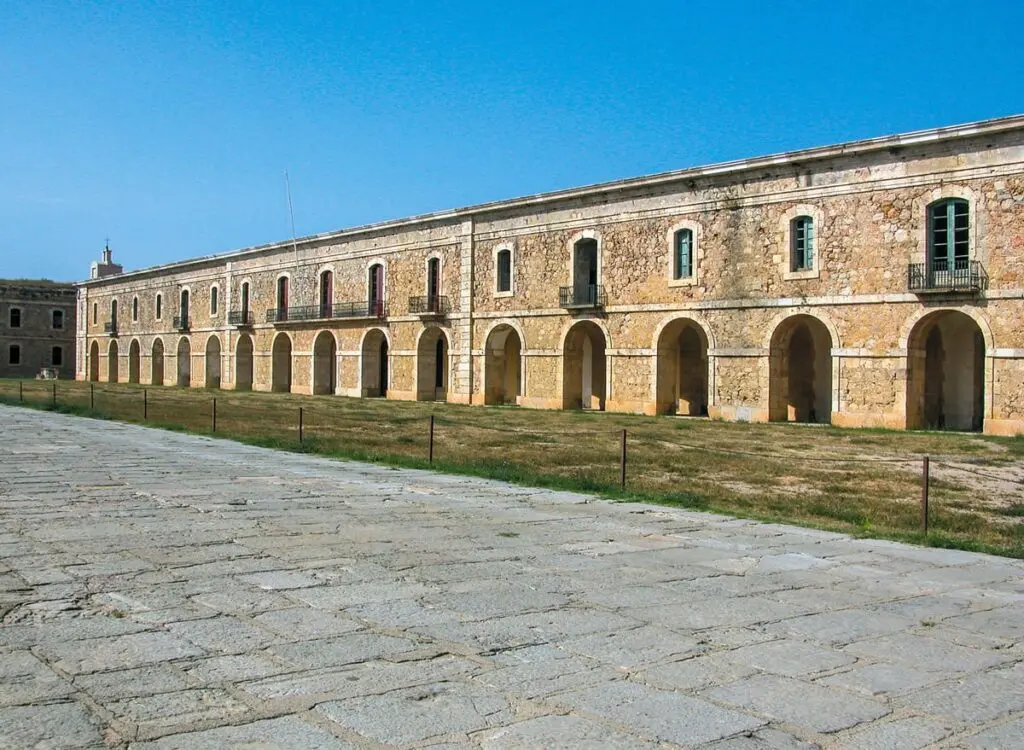
The castle forms an irregular octagon, is surrounded by a double wall and has numerous bulwarks, ditches, drawbridges and a remarkable weapons’ yard. The ones under the Waffenhof are amazing cisterns.
cisterns of the fortress
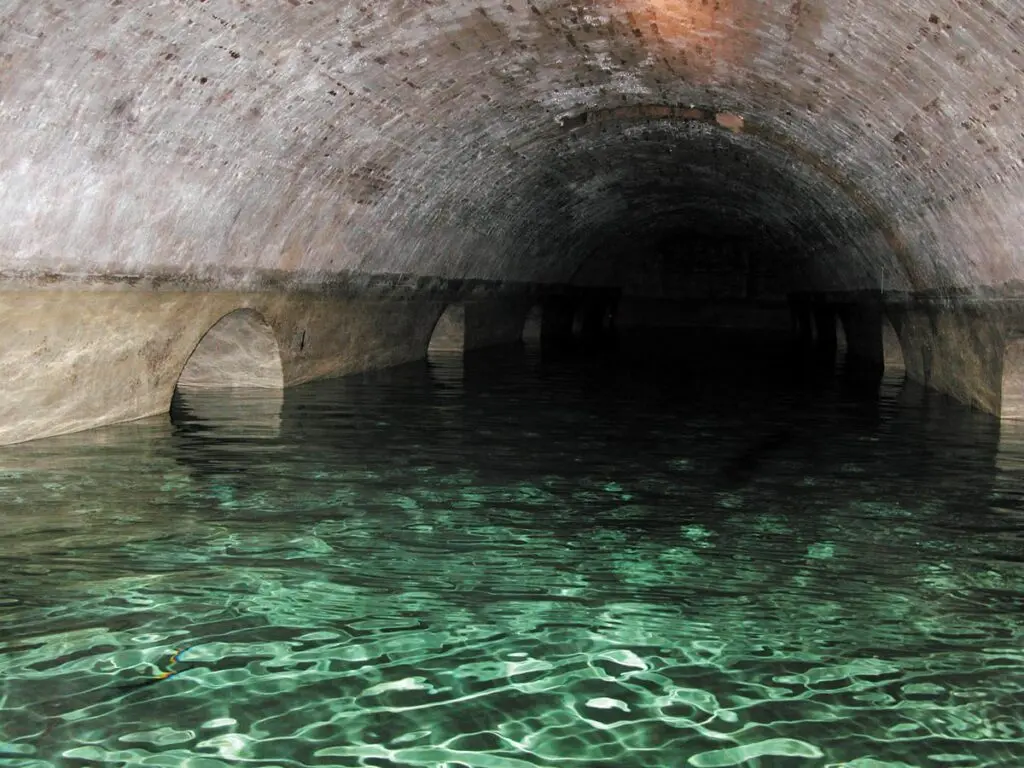
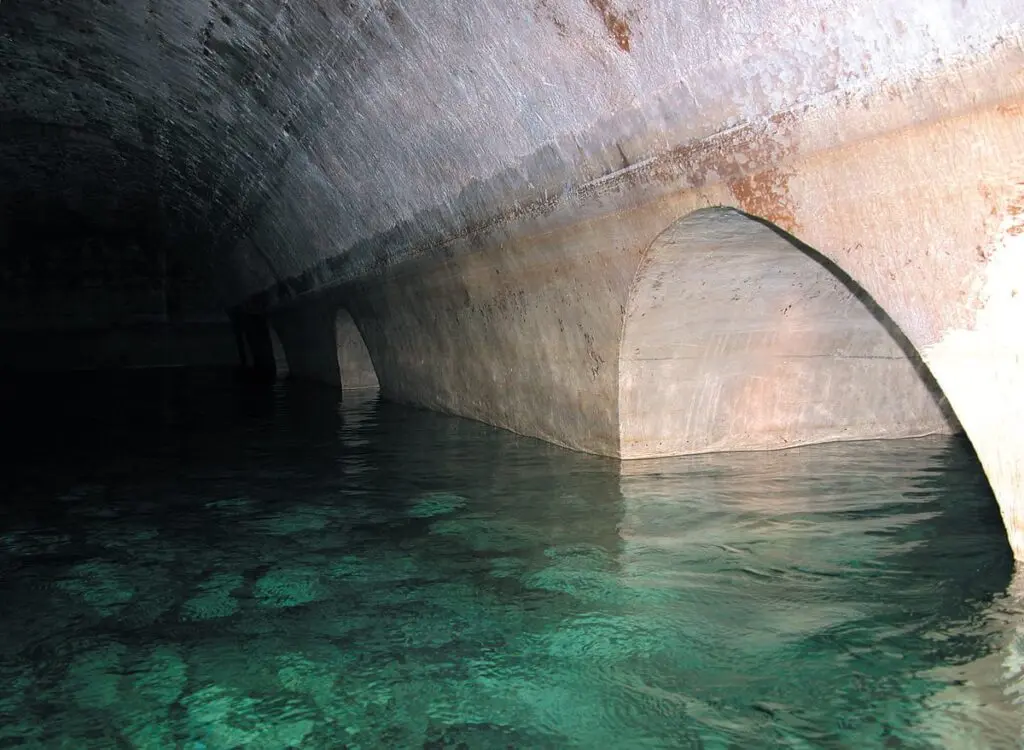
A water supply of 40 million liters can be stored here. The one intended for a crew of 6000 men Castell de Sant Ferran sets a Cultural history legacy of the first order dar. It is that Biggest building in Catalonia and the Largest bulwark fortress built in Europe in the 18th century. The complex was planned by several military architects, including Pere M. Cermeño and Joan M. Cermeño.
During the Napoleonic War…
……..was the Sant Ferran Fortress Nevertheless, for a short time taken and occupied by the French. On January 22, 1810, the man captured by Napoleon’s troops died here Defender Girona – General Alvarez de Castro.
General Alvarez de Castro
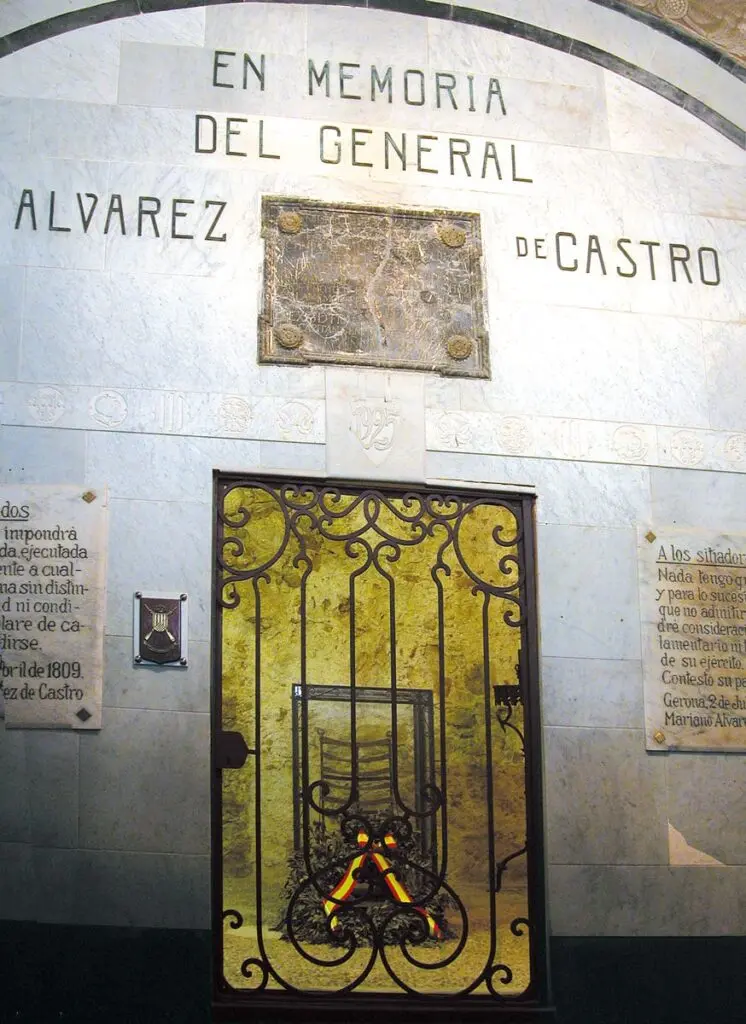
General Alvarez de Castro was considered the region’s hero because he had already successfully freed Girona from the French in 1809.
Salvador Dali
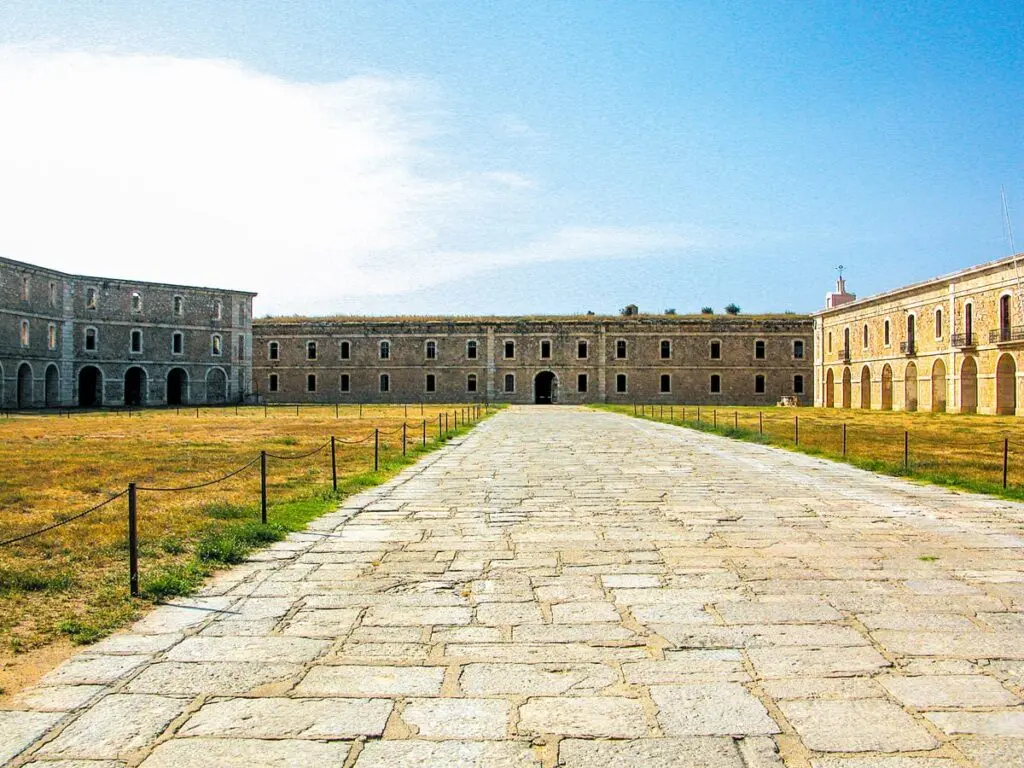
Later, the fort was reclaimed by the local troops by a bold attack. This ended the only occupation in the history of the fortress. 1927 also performed Salvador Dali in the Castell de Sant Ferran in Figueres his military service.
International Brigades
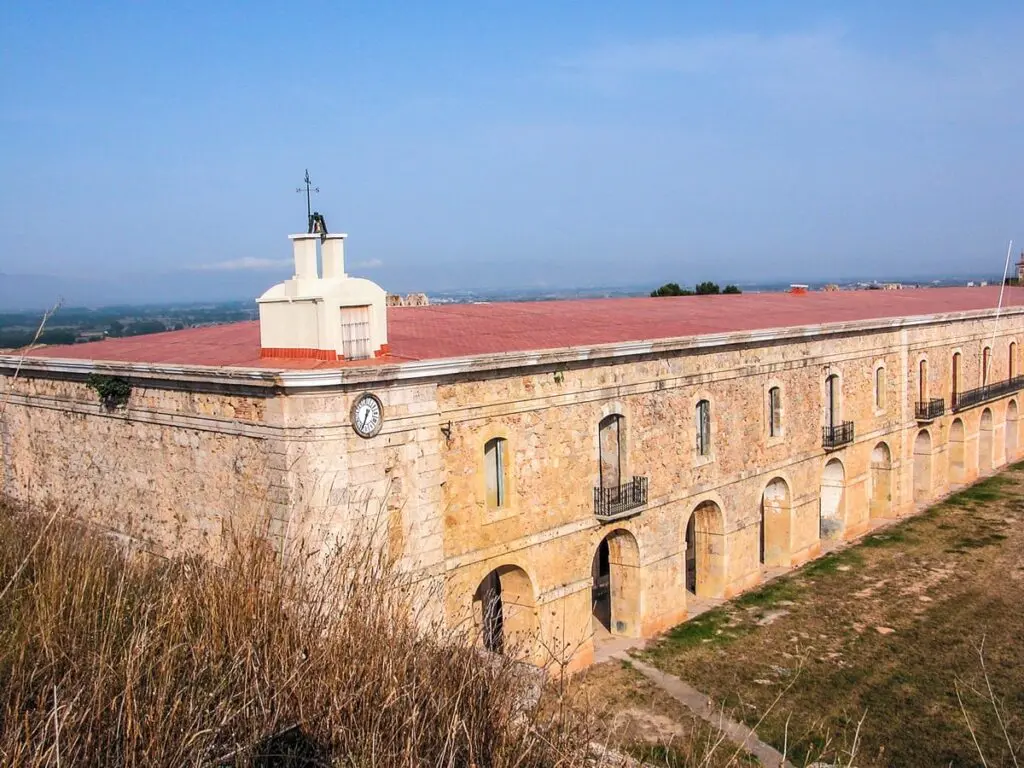
At the beginning of Spanish Civil War became Sant Ferran into one Base the International Brigades, Ammo and Art DepoT many Spanish artworks from the Prado in Madrid were deposited in Sant Ferran during the time of the civil war to protect them from destruction. In February 1939, the last meeting of the Republican government took place in the castle.
Their members were already on the run from the Franquists. On the evening of the same day, the ammunition depot was blown up so as not to leave it to the enemy. The explosion was so intense that the dust over the city only settled after days. After the civil war, the Franco regime took over the fortress and also used it for military purposes as a training center for the military and ammunition depot.
Castell de Sant Ferran prison
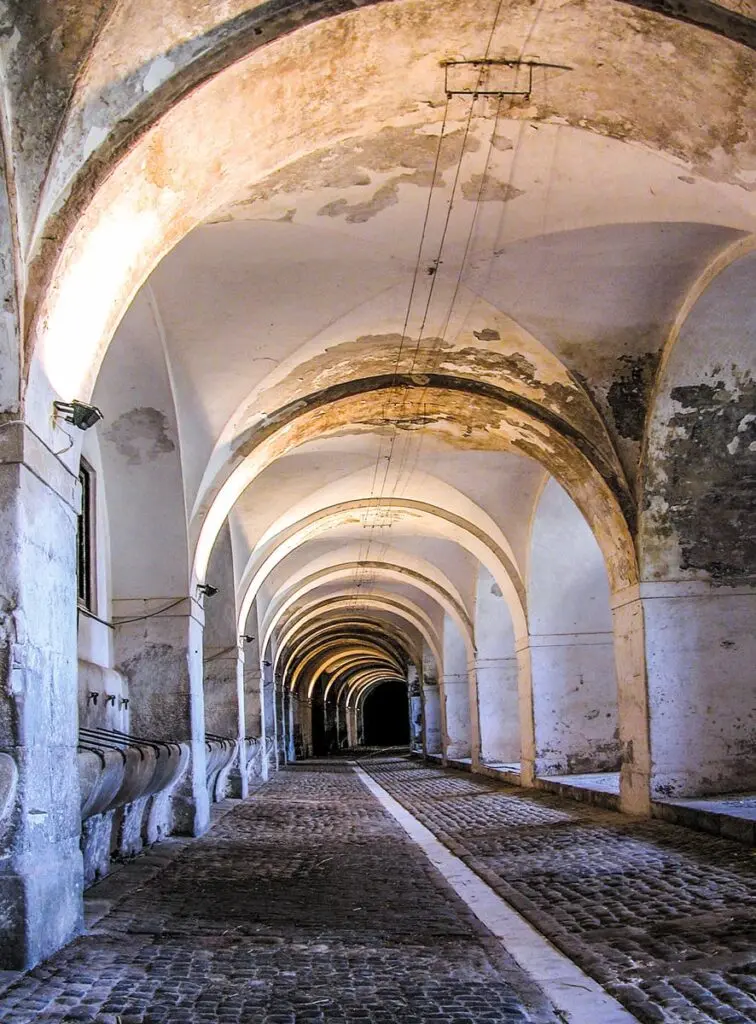
Later, the importance of the Castell gradually decreased, so that from 1966 it was no longer really used for military purposes. It served as a prison for a while. For example, those responsible for the military coup of February 23, 1981 were imprisoned here. To this day, the castle has been preserved in its basic structure.
As early as 1949, the Castell de Sant Ferran was declared an art history monument.
Castell de Sant Ferran – a unique experience
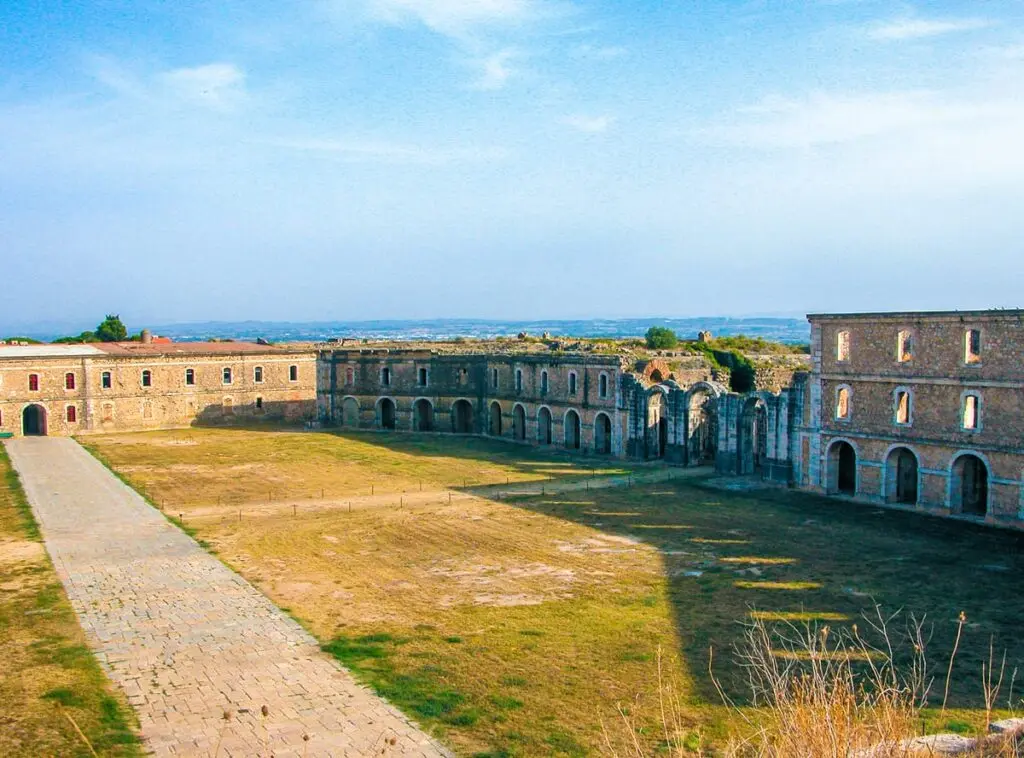
You can visit the facility since July 1997. In view of the enormous dimensions, the military-technical design that was really admirable at the time and the good condition in which the facility is located, a visit to the Castell de Sant Ferran becomes a unique experience.
With the jeep across the site
You drive as a group with one Jeep about the huge terrain, and the Catacombs can you by boat explore. With a protective helmet and lamp, you go into the cool cellar vaults and are amazed at the clear water down here. After the tour you have the opportunity to explore the large area on your own.
Castell de Sant Ferran horse stables
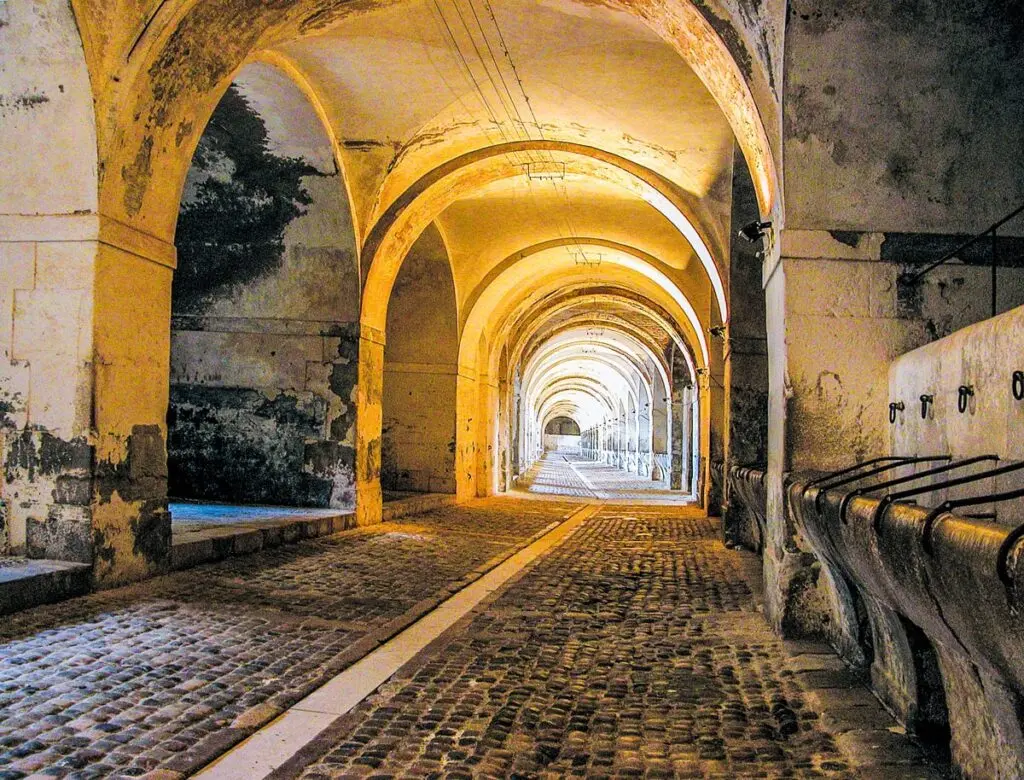
A look at the horse stables is worthwhile. The endless vaults once offered space for 500 horses. Visiting the complex is an adventure for the whole family.
Opening times: Easter + 1.7. – 15 September, 10.30 – 20.00 h
11. – 28.2. , 10.30 – 14.00 h / otherwise 10.30 – 15 h / 1.1. + 25.12. closed
Audio tour: Individual tour with headphones: Spanish, Catalan, French, German, English, Dutch, Italian. (about 1h)
Guided tour of the interior of the fortress: Duration (1h – 1.5h)
Special tour with wine tasting: duration about (1.5 hours – 2h)
Guided Discovery Tours: Jeep tour through fortress and moats + boat trip through the water reservoir. Duration about (2h – 2.5h)
Information and reservations: Tel 972 50 60 94, Fax 972 67 44 99
www.lesfortalescatalanes.info


Frequently asked questions about the Castell de Sant Ferran
When was the Castell de Sant Ferran built?
The fortress was built between 1753 and 1766 under King Ferdinand VI. Built by Spain to protect the border against France.
How big is the fortress?
It covers around 32 hectares and is considered the largest fortress of the 18th century in Europe.
What are the cisterns of the fortress?
There are huge water reservoirs under the fortress. You can visit them and call them the cathedral of the water because of their dimension.
Where is the Castell de Sant Ferran?
Above the town of Figueres in the province of Girona in Catalonia.
Sources for the information in the box and in the questions: Visit Figueres: Castell de Sant Ferran, Castell de Sant Ferran: Visit, Catalonia Castles. Times, prices and rules change, please check the operator before visiting.