short trip to Zaragoza:
Hidden inside the country, the capital of the Spanish region of Aragon is not necessarily the focus of the typical summer tourists of Spain. No sea, no beach, no endless pine forests…but incredibly beautiful mountain and lake landscapes, culturally and historically interesting and cities like Zaragoza. So I was drawn to the capital of Aragon for three days, which often remains unobtrusively in the background. Wrongly right, I think!
Day 1: From cozy cafes…
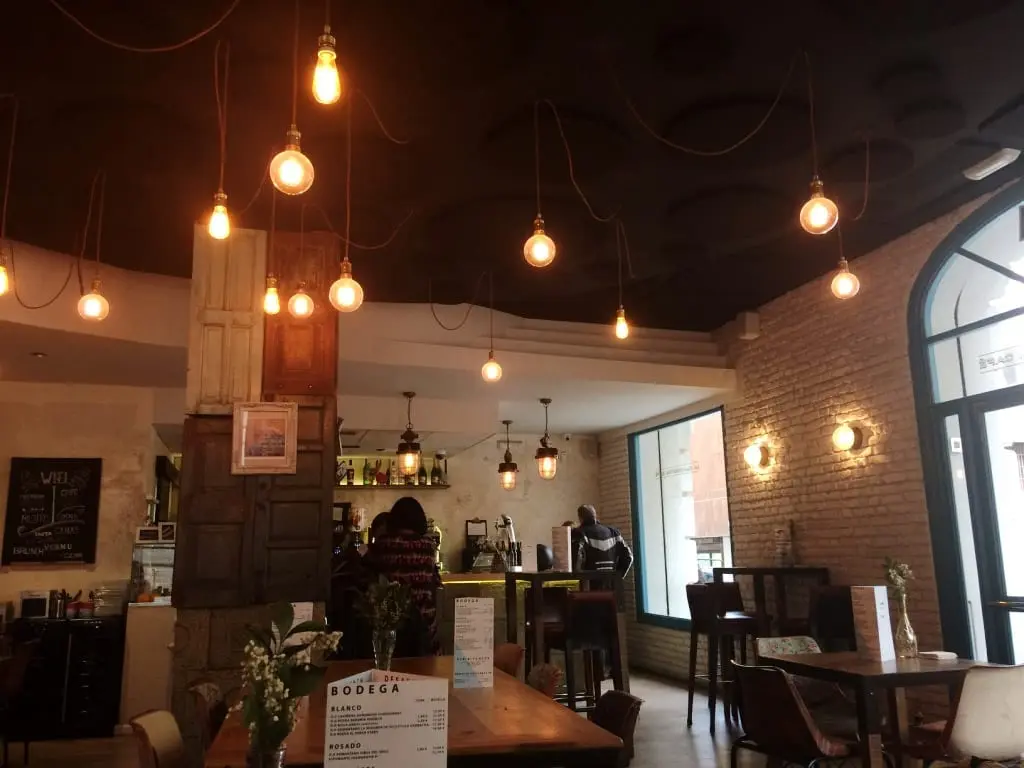
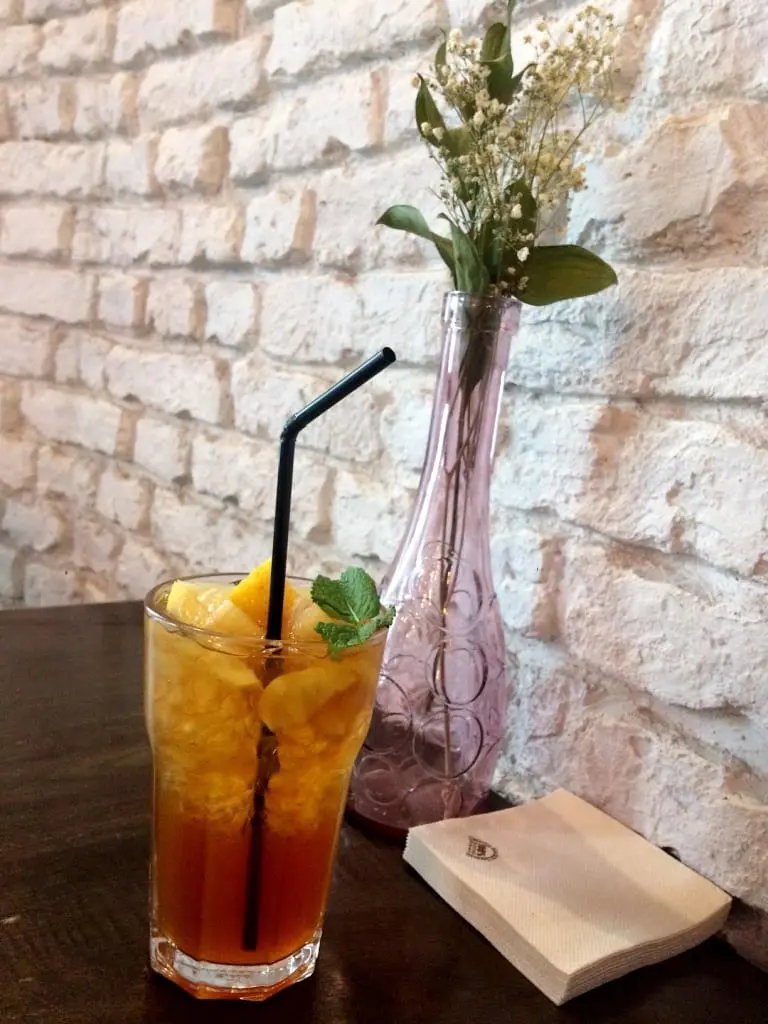
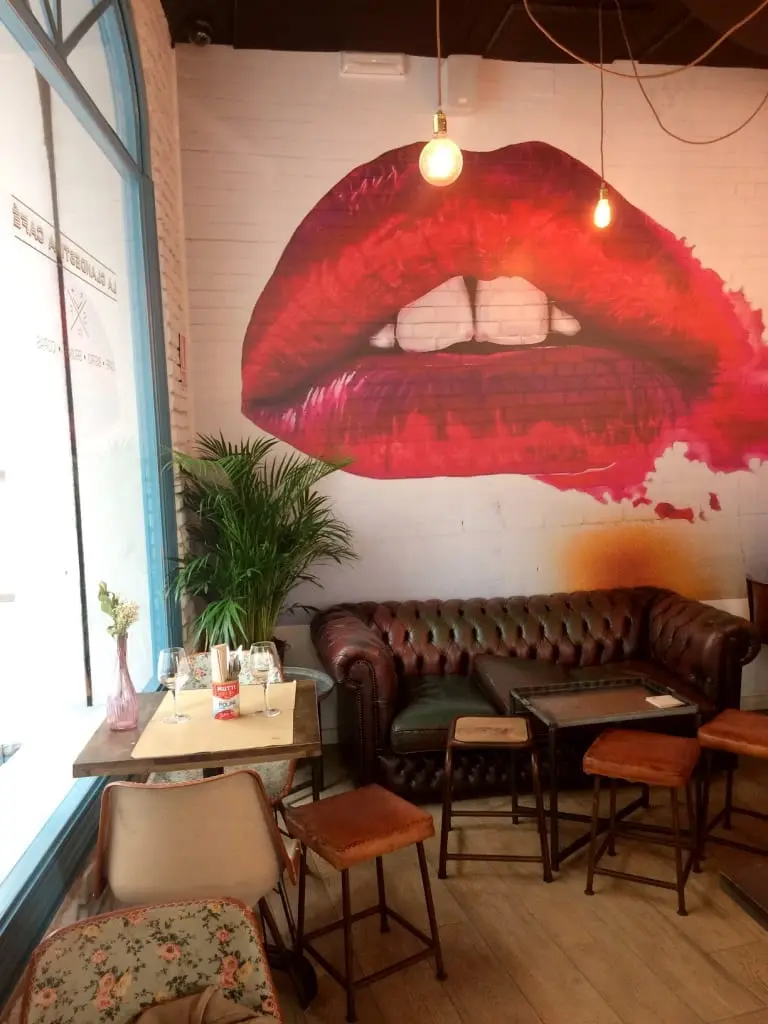
Arrived and checked in at the hostel, I slowly let the city affect me. A short walk through Zaragoza’s streets reinforces my first impression: The city is not a typical tourist stronghold and, alongside big cities such as Barcelona and Madrid, seems almost a bit sleepy. While I’m now absorbing the first small portion of Zaragoza and strolling through the small streets more or less aimlessly (who always needs a destination?), I find it by chance one of the most comfortable cafés in the city. The interior of the Clandestina Café is a mixture of a modern trendy and a cozy “how at home” atmosphere.
…to imposing cathedrals and Flemish tapestries
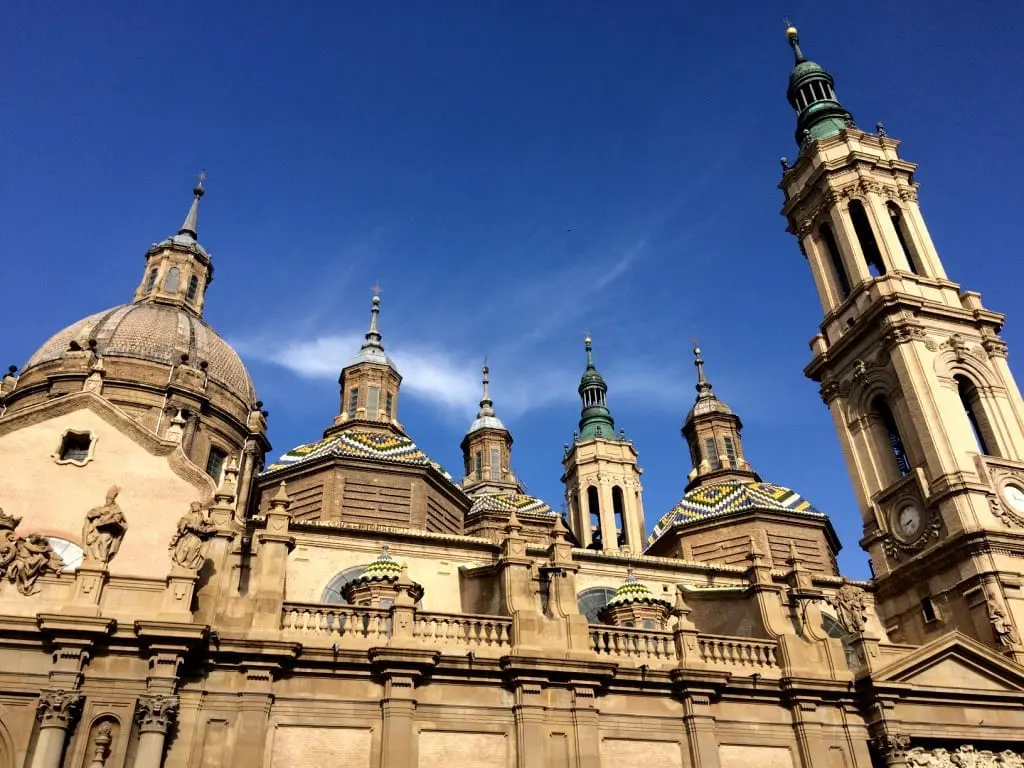
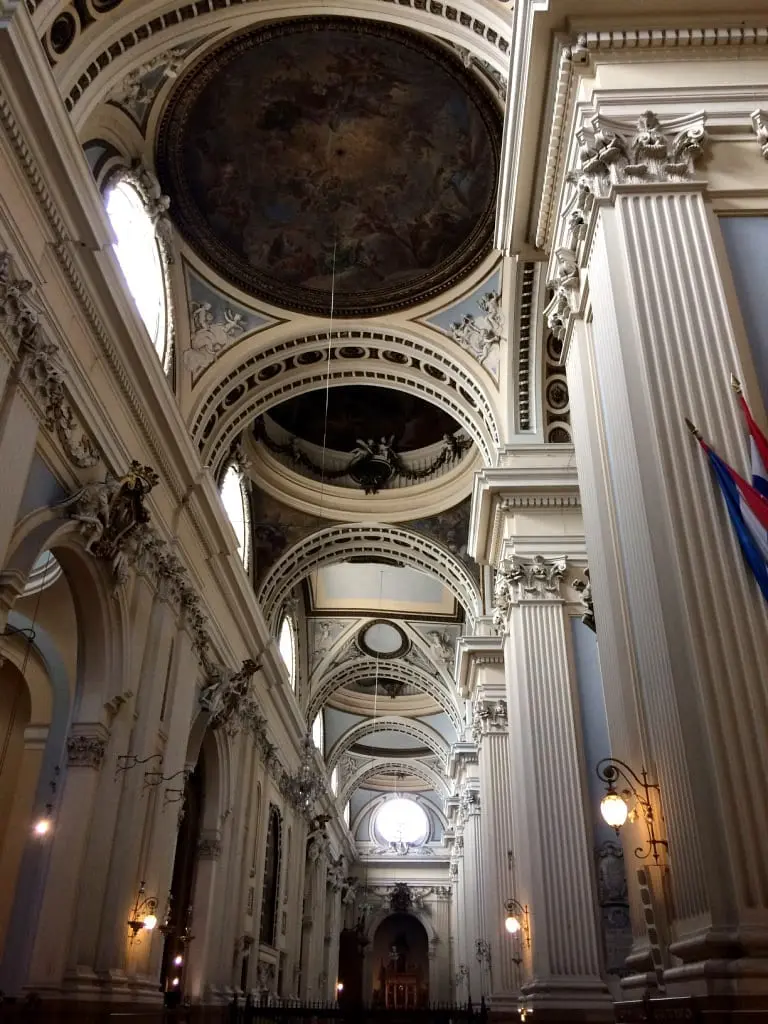
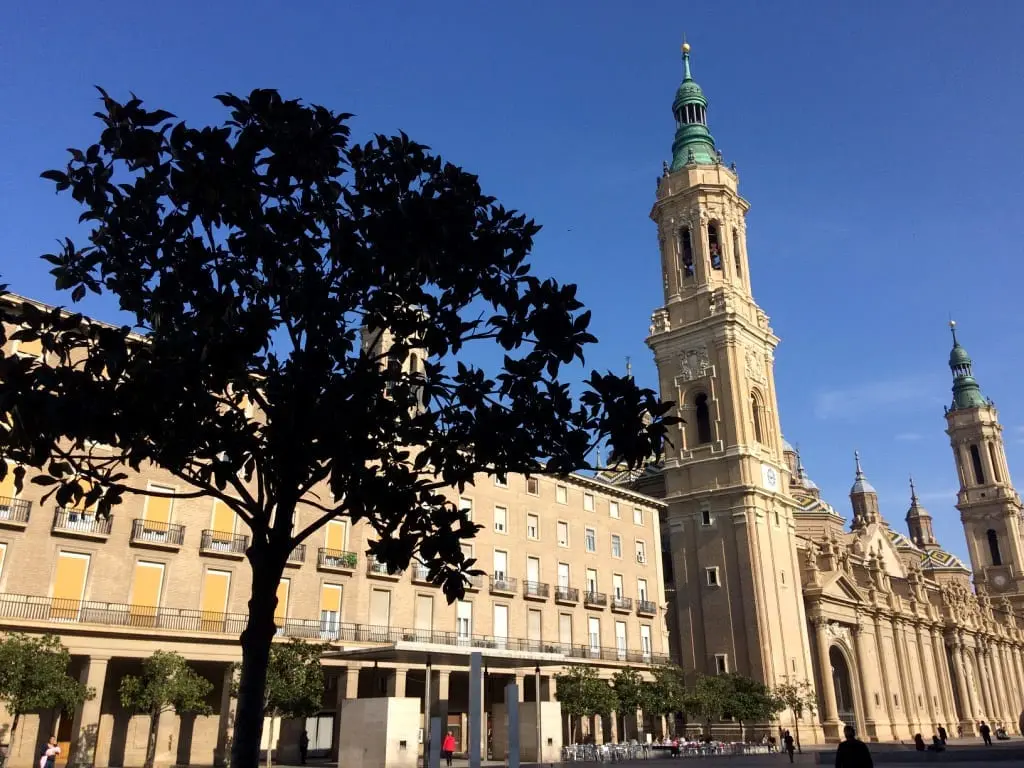
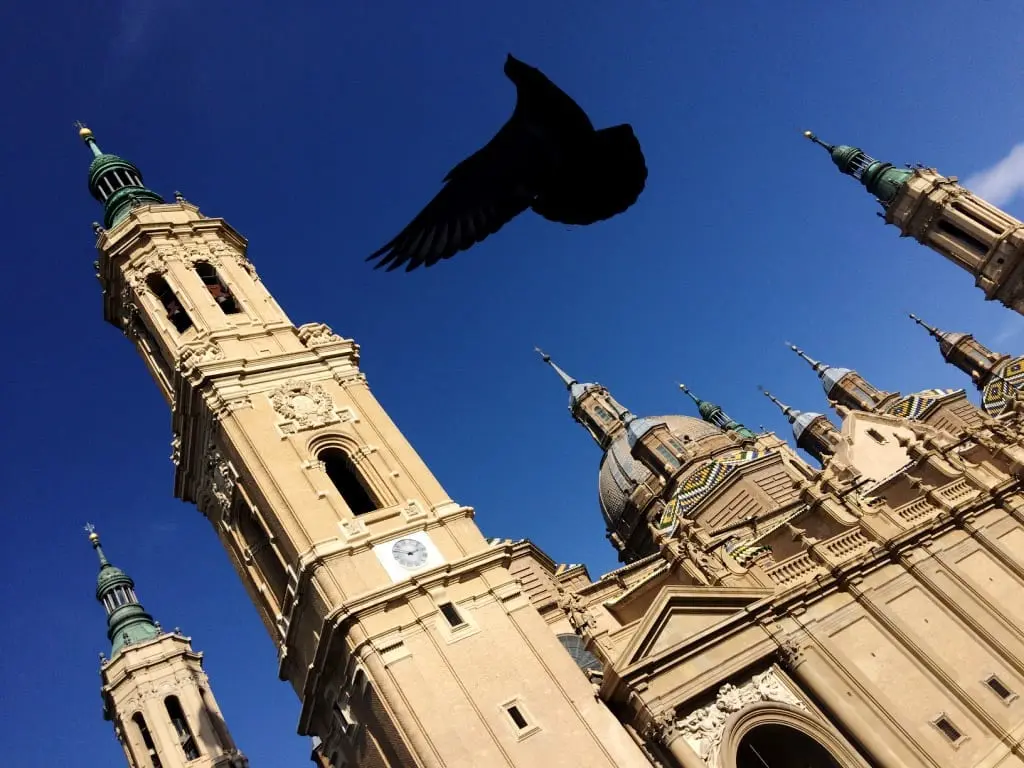
 Pampered not only by the good food, but also by the friendly service, I am now relaxed on my way to the city’s landmark. The imposing Basilica del Pilar and shows himself irradiated by the sun in all its glory. The beautiful cathedral is today the largest of its kind and characterizes the cityscape of Zaragoza as one of the most important baroque churches in Spain.
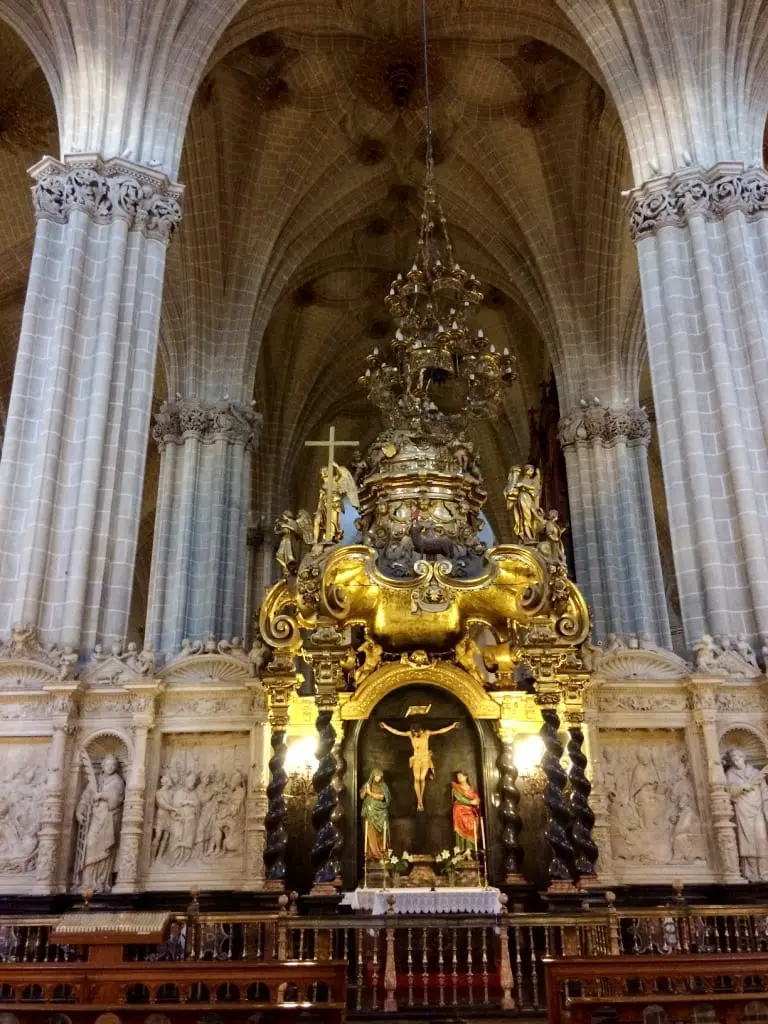
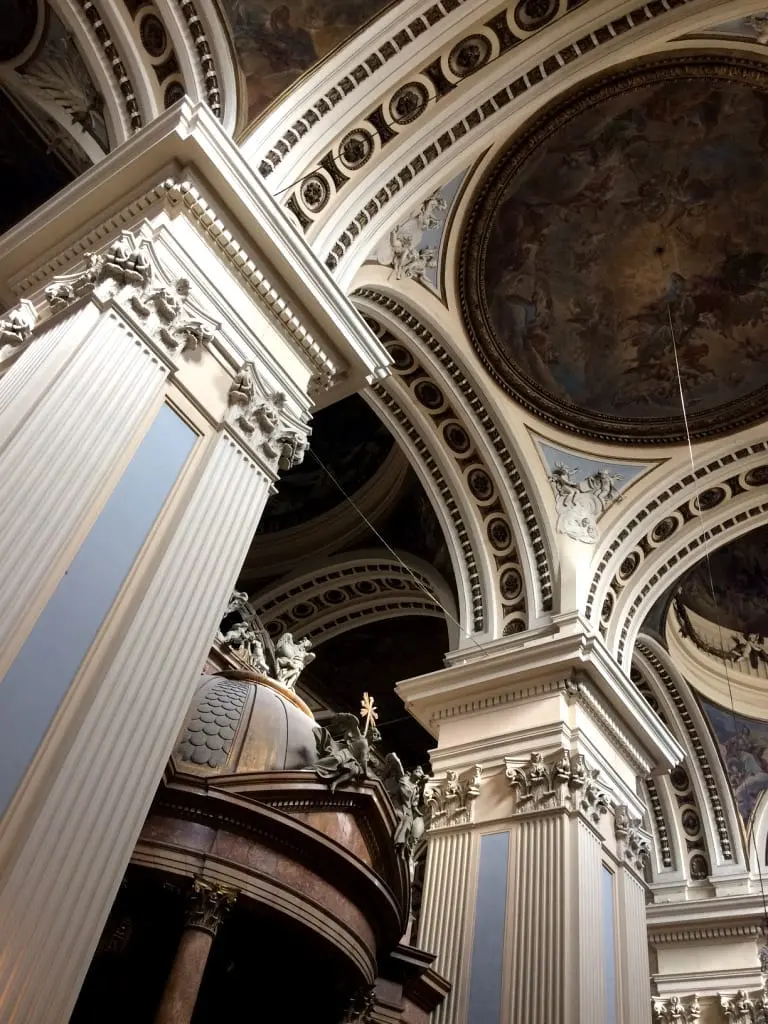
So it doesn’t surprise me that the interior of the church is bursting with splendor.


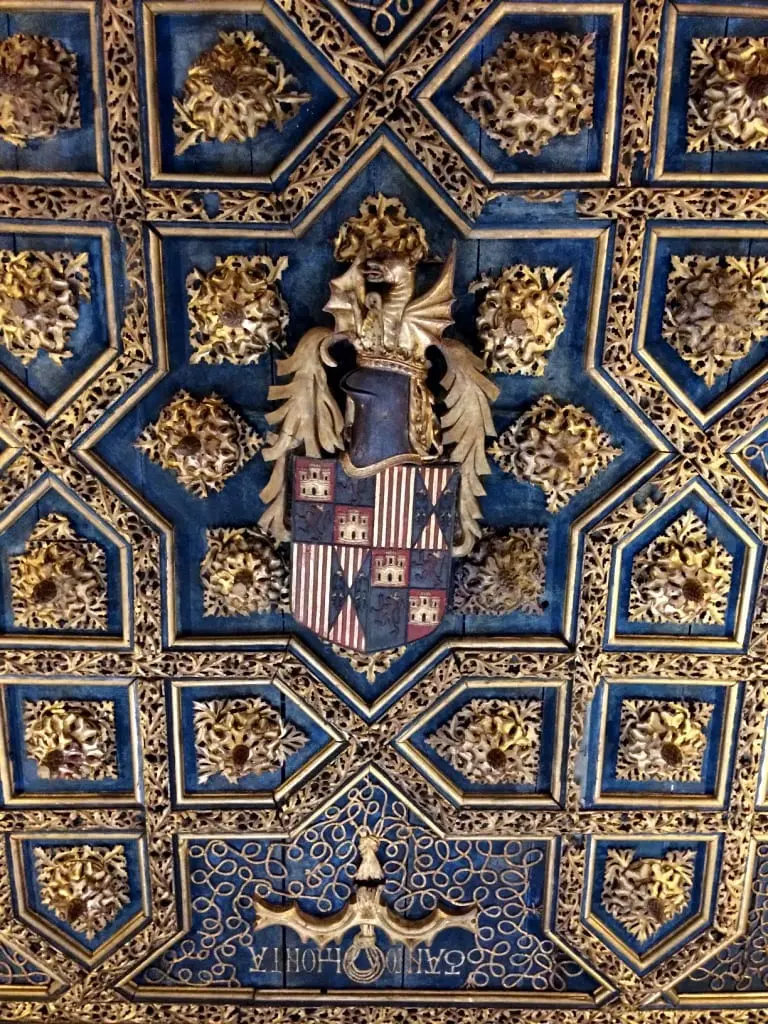
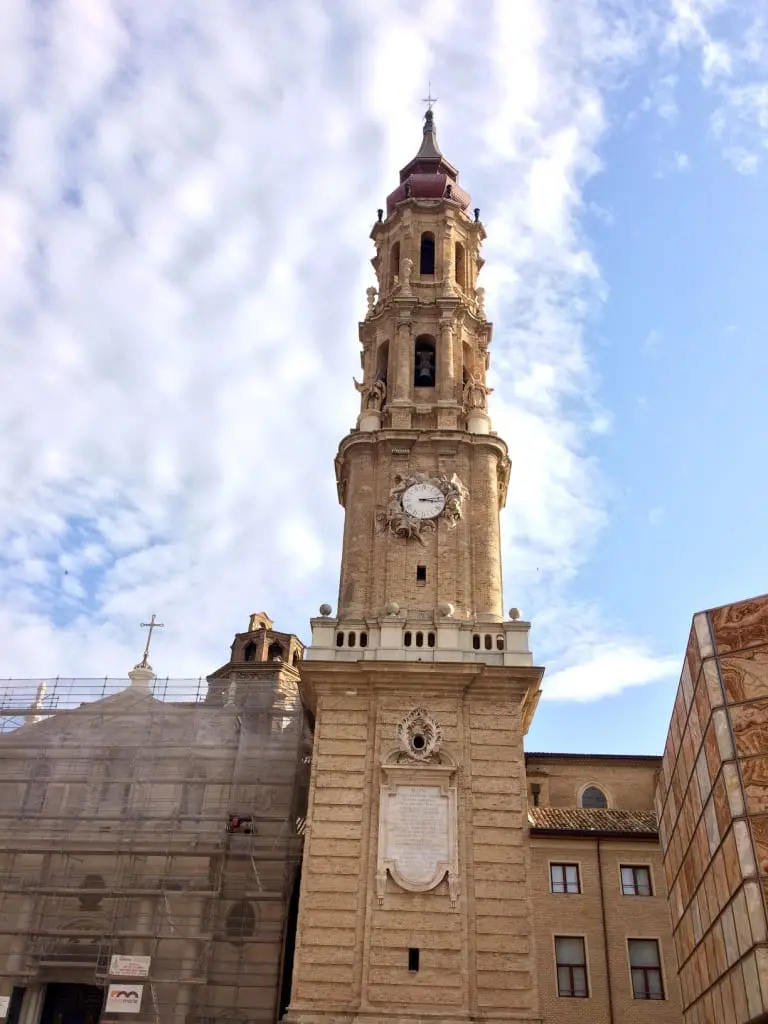
I slowly cross the Plaça del Pilar and see the next church in front of me. Admittedly, the Catedral del Salvador, or lovingly abbreviated “La Seo”, is a bit overshadowed by the huge basílica. Nevertheless, I decide to take a closer look at the building, whose architectural styles from Romansh, Gothic and Mudejar to Renaissance and Baroque range.
As soon as you enter the cathedral, I realize: the 4 € entry was definitely worth it. Inside, a good portion of shine (and Gloria) awaits me.
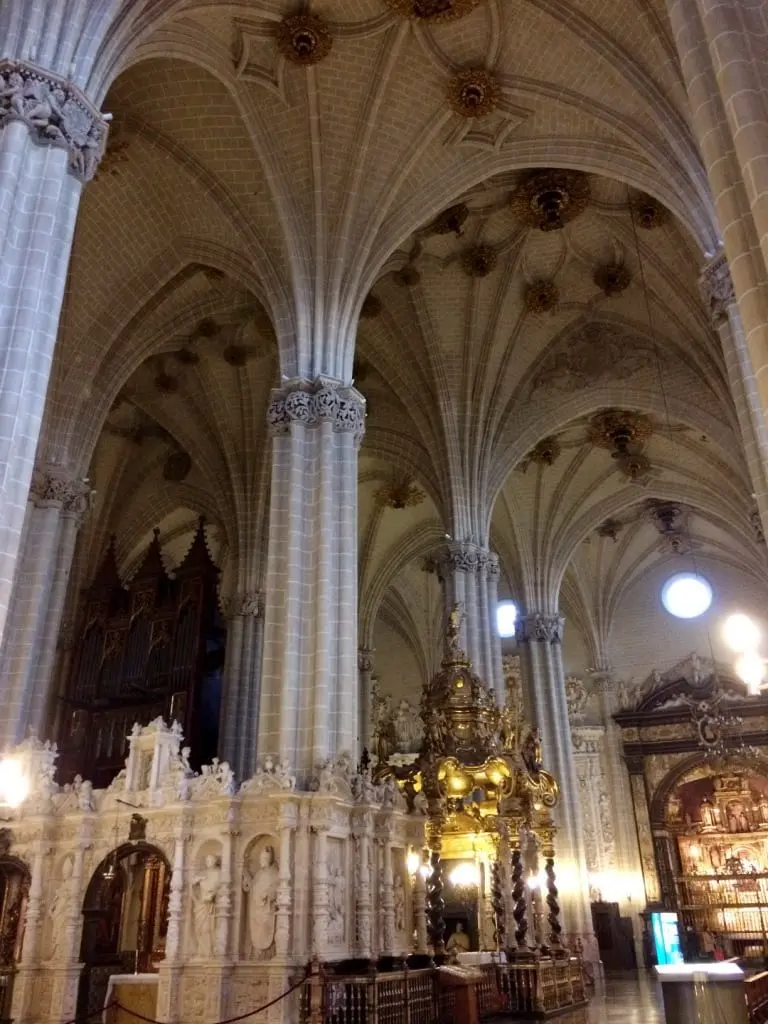

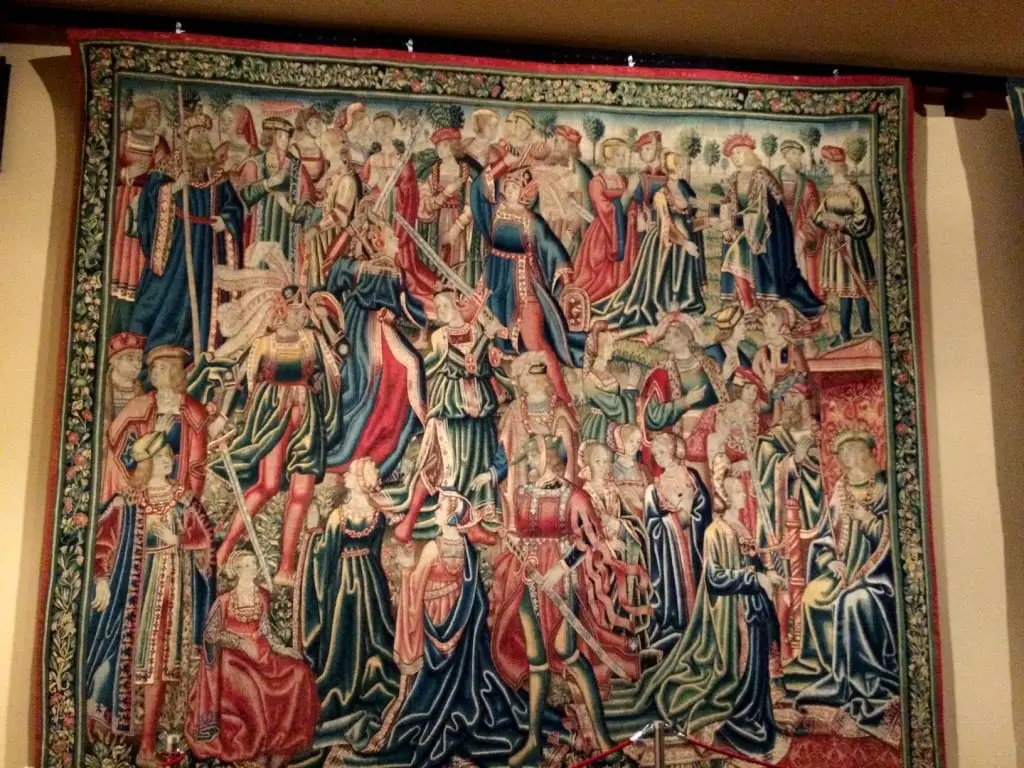
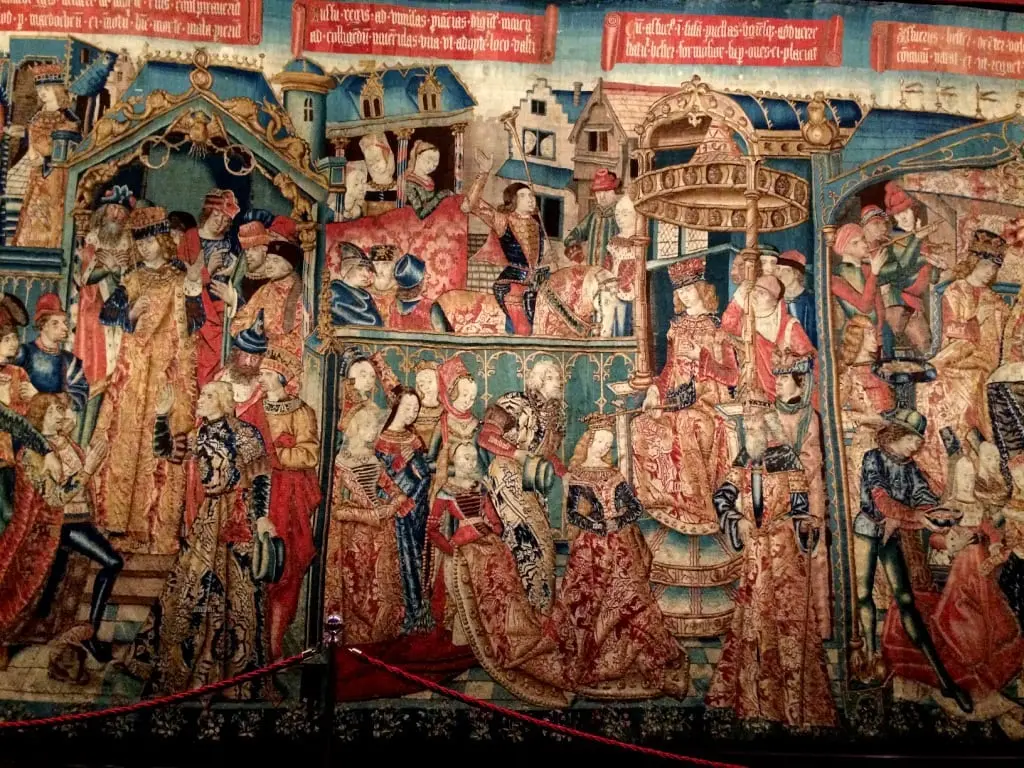
Also included in the price: the subsequent visit to the tapestry museum, which houses one of the most important tapestry collections. The 63 Flemish tapestries are partly from the Middle Ages and are in the Gothic or Baroque or Renaissance style.
Day 2: Saragossa’a Prunk Palace…
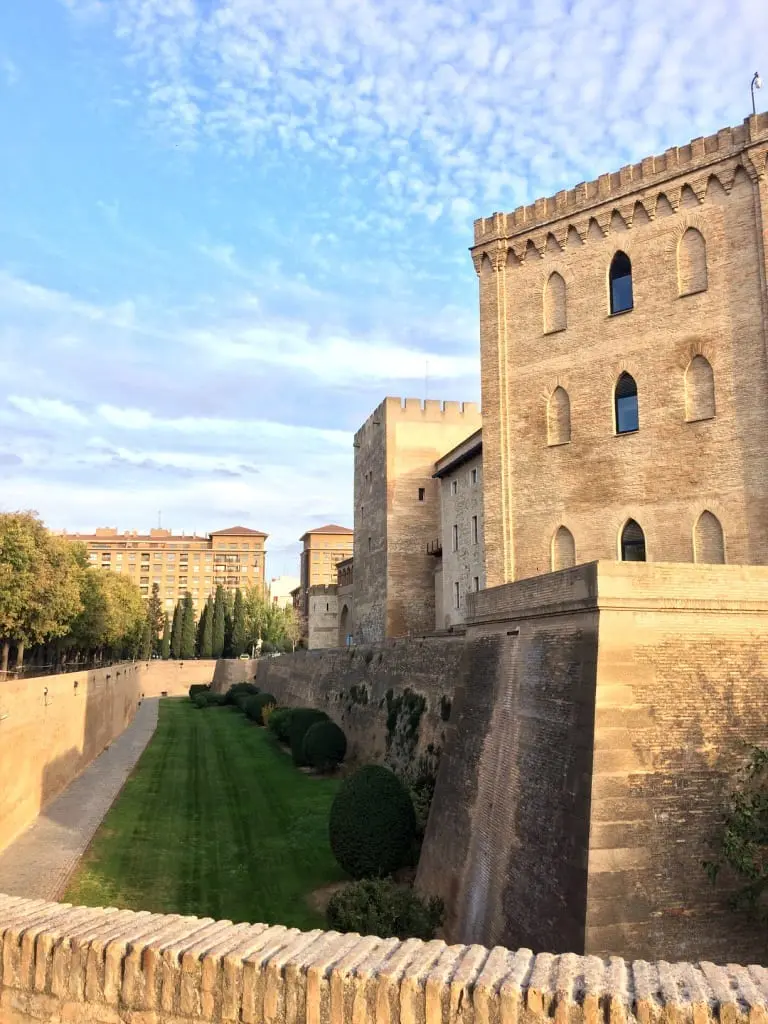
On my second morning in the capital of Aragon, the pompous city palace “Aljafería” is on the agenda. Although the city palace was a listed building from 1931, it was still a “deplorable, rag-covered scarecrow” in 1947, as the architect Francisco Íniguez Almech was not very charming expressed. In the years that followed, however, the palace could be preserved and neatly dressed up through laborious rescue work. The “Aljafería” seems almost a little unfriendly at first: the thick walls, the small windows and the deep ditch are not necessarily inviting.
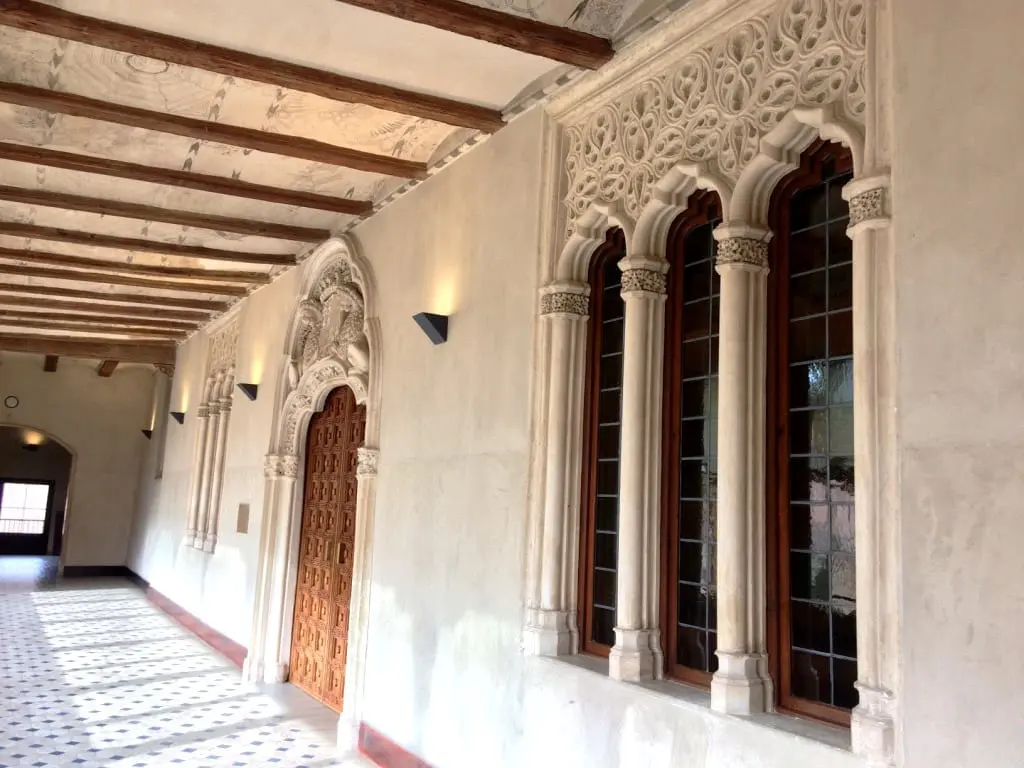
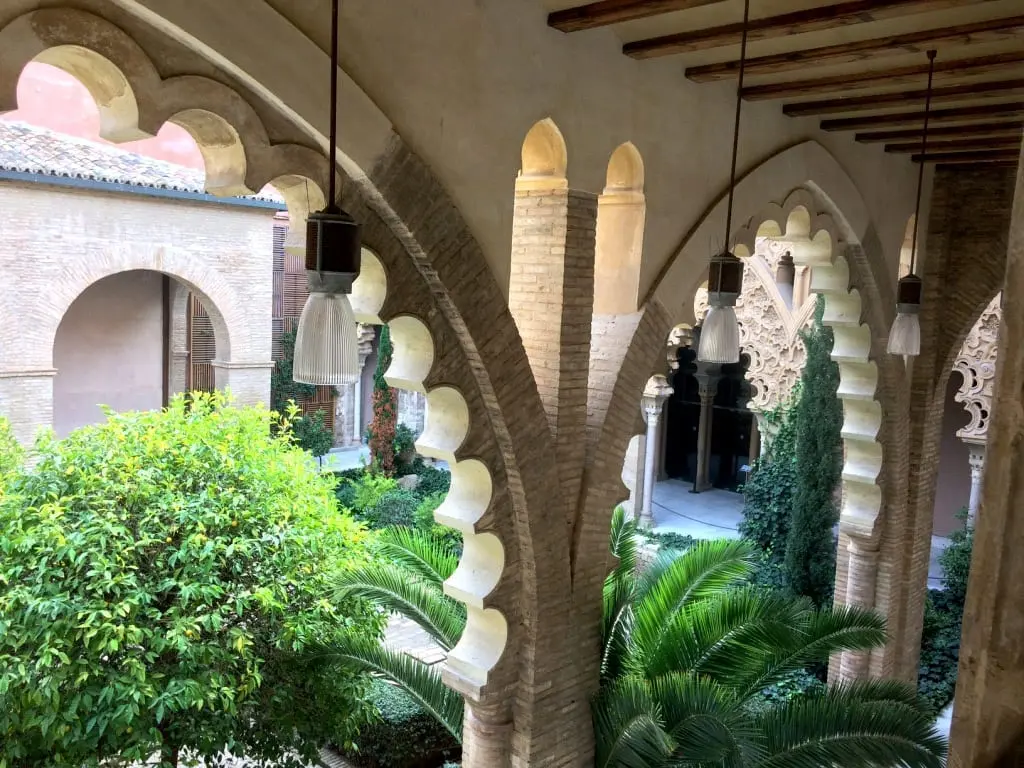
But from the first moment, the old building inspires me immensely. Rarely has a building fascinated me as much as the beautiful city palace… For the first time I am experiencing the famous Mudejar style here.
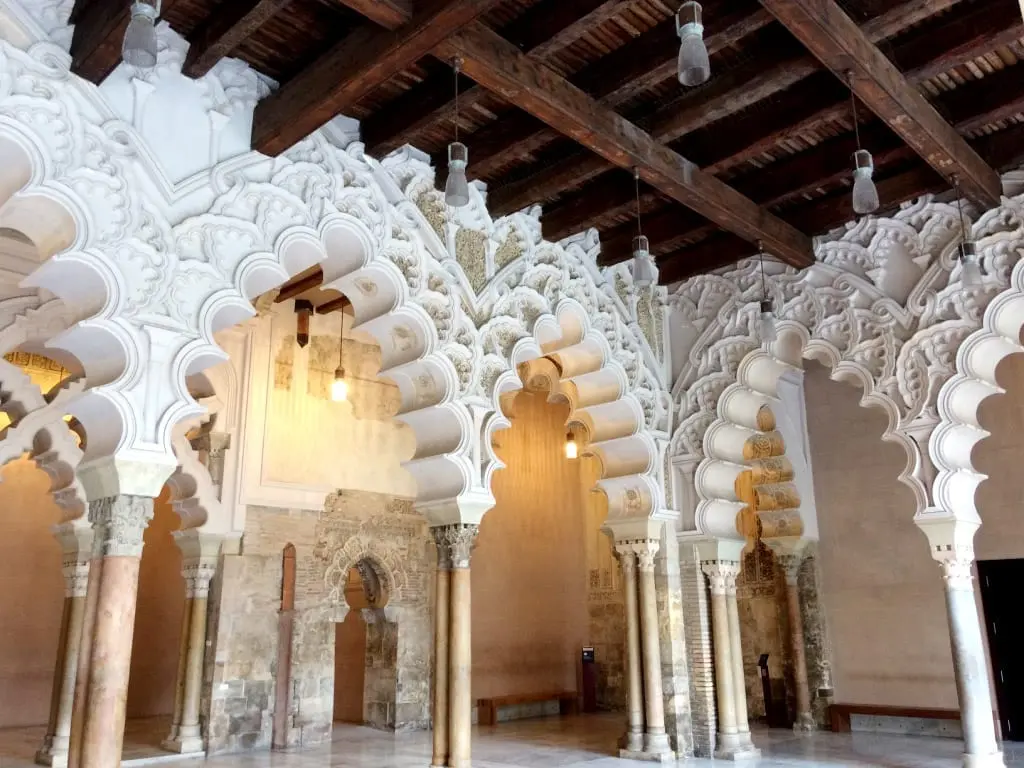
Who would have thought that behind the massive outer walls would be such a fine ornamental elegance? Enchanted by the beauty of the Islamic palace, I spend a few hours here enthusiastically…
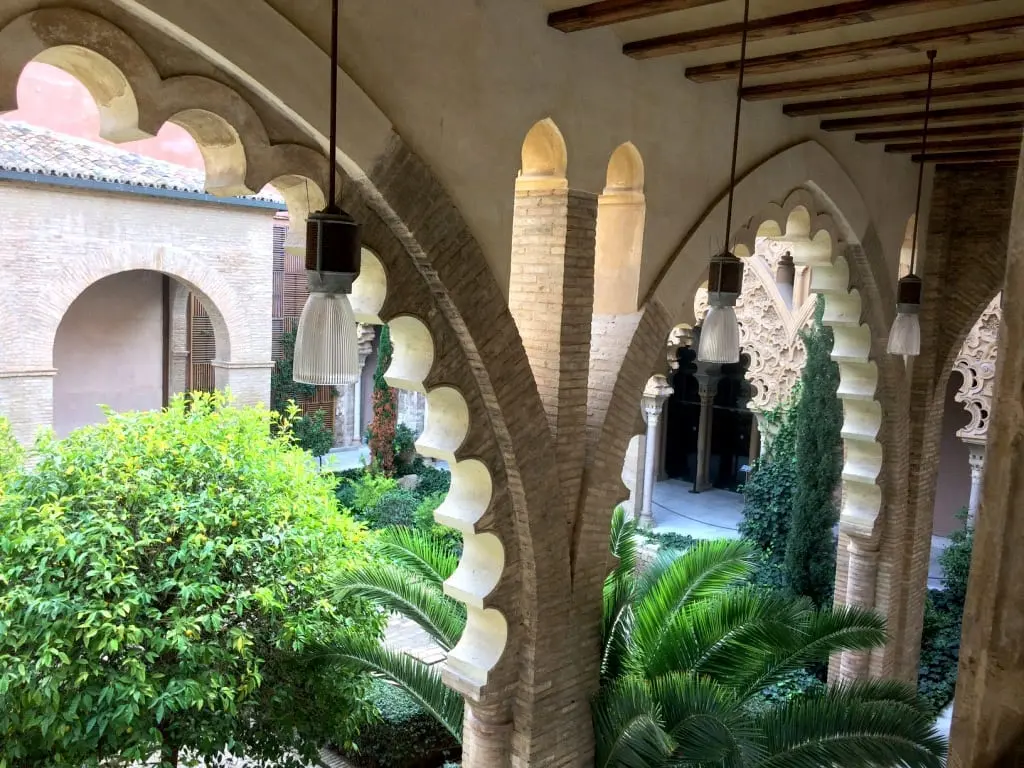
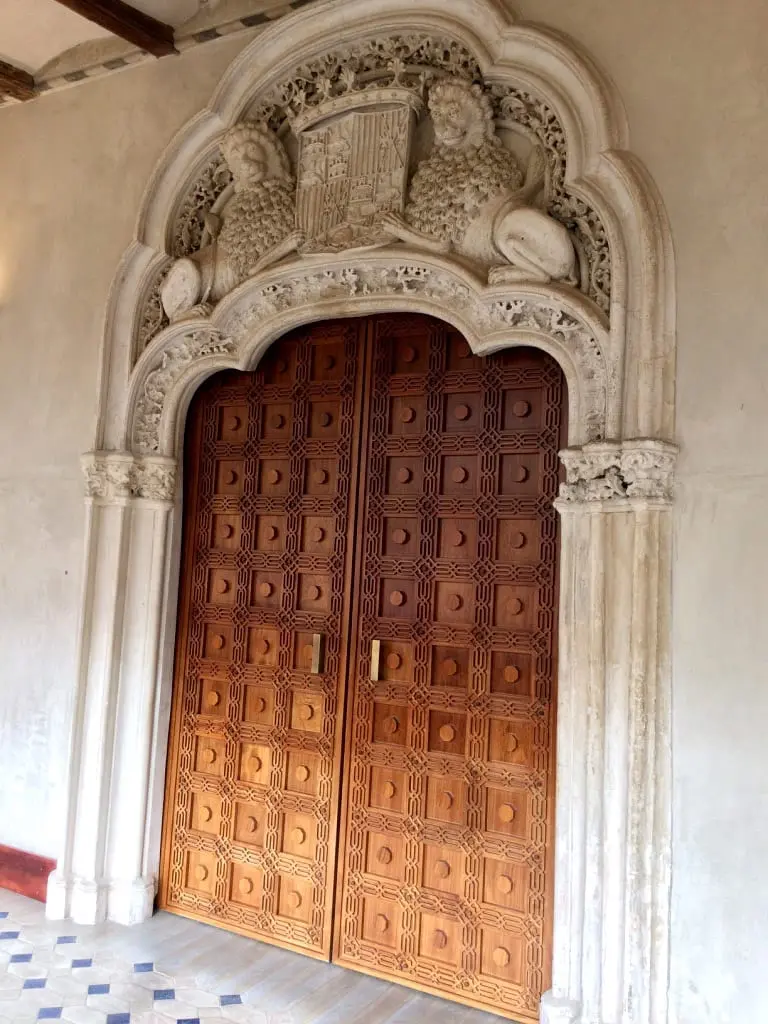
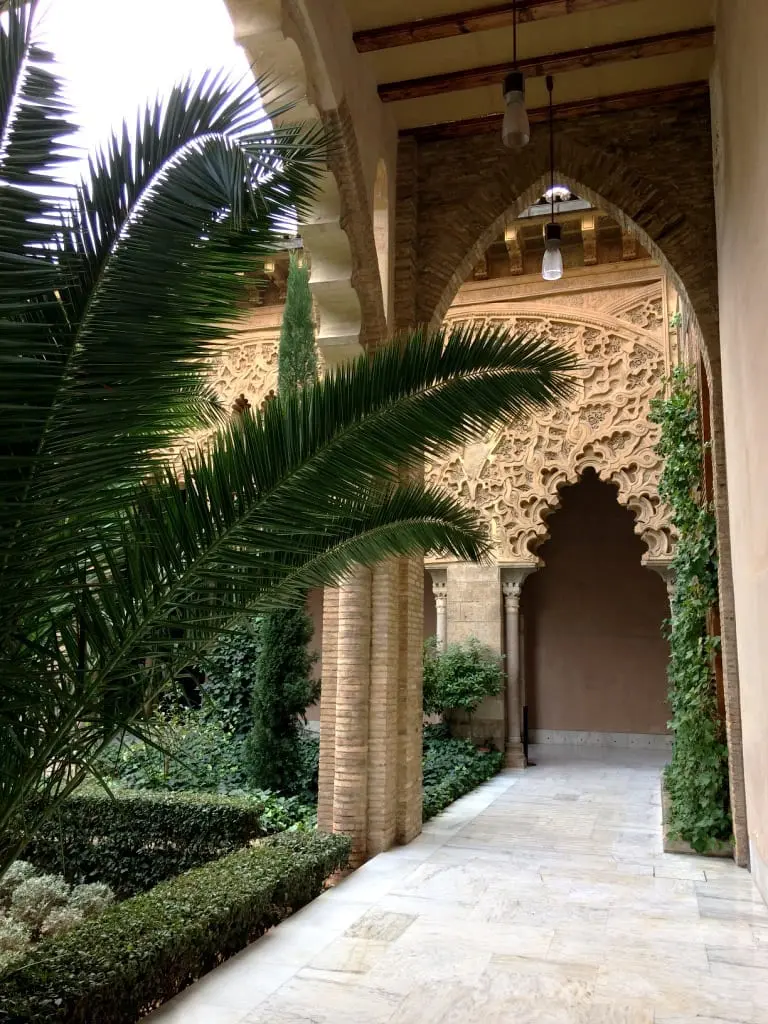
…and water, water, water
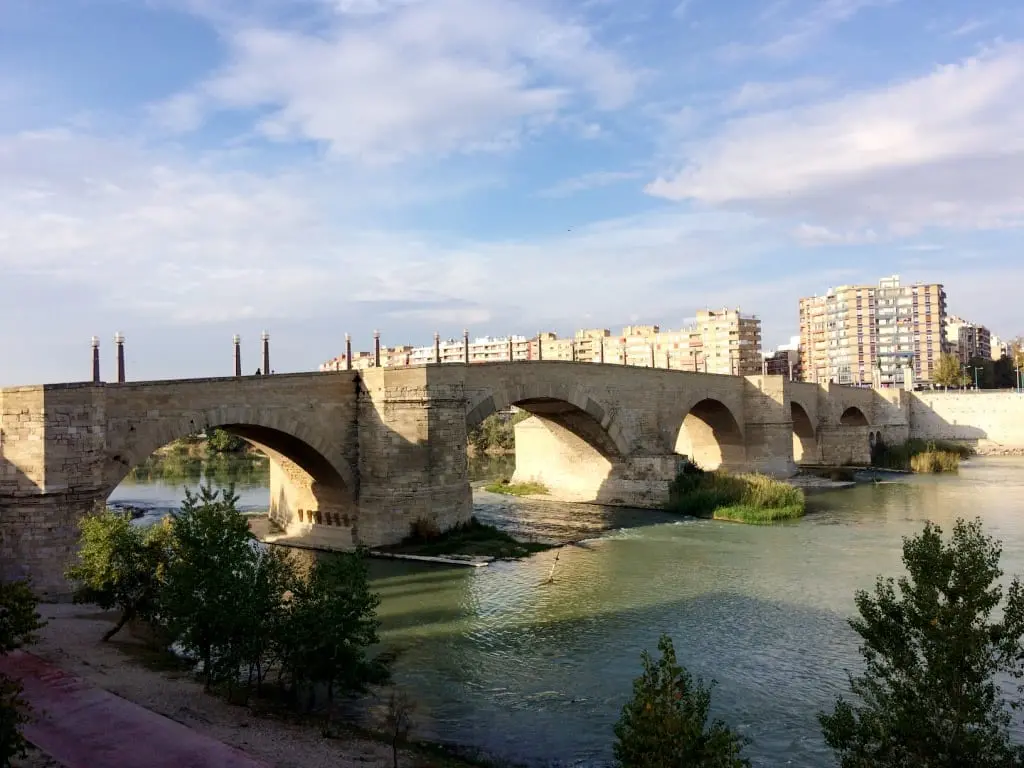
In the afternoon (actually unplanned, but in the end very appropriate) everything is under the motto “water”. The somewhat gray weather doesn’t spoil my mood and I’m on my way relaxed. Passing the Basílica, I walk a bit along the Ebro, the river that stretches through the city, crossing the water through the futuristic-looking Puento del Tercer Milenio. My first goal: the Expo 2008 site. Almost 10 years ago, Zaragossa was the scene of the world exhibition, which had the motto “Water and Sustainable Development”. In addition to a bridge pavilion above the Ebro and a 76 meter high water tower, you will find Europe’s largest river aquarium. I spend the next few hours secluded from the outside world in the underwater paradise.
Day 3: Market Feasting, Vintage Searching and Goya

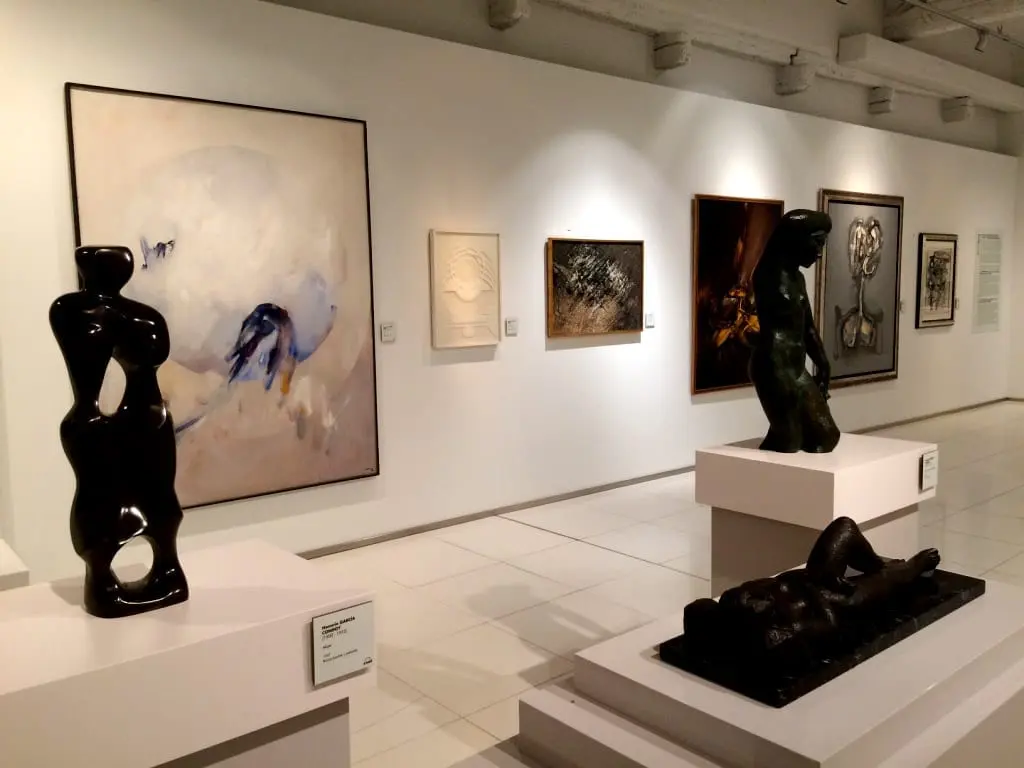
I spend the third and last morning of my short trip between fresh delicacies at the Mercado Central and old vintage treasures in the city’s various second-hand shops. And because a small portion of culture shouldn’t be missing, I’ll make a little detour in Zaragoza’s famous Goya Museum. Admittedly, only one room is dedicated to the famous Spanish artist, but the rest of the works of art from different eras are also enthusiastic.
And what would a Sunday be without coffee and cake? Fortunately, you will find an incredible number of cozy, cozy cafés in Zaragoza… with a warming cappuccino and a sugar-sweet chocolate cake, I end the last day in Aragon’s beautiful capital.
A few more saragossa impressions…