Romanesque churches, sleepy villages, green landscapes

Thanks to the many new and well-developed roads, you can reach the dreamy hinterland of the Costa Brava in no time at all. From the coast we need half an hour to Torremirona golf course and are in another 15 minutes later Besalú, a small town from the Catalan Middle Ages.
This is where the Ruta Romànica. The journey there leads us through a green hill and mountain landscape. Huge stone houses and small chapels that have been renovated repeatedly appear between meadows and forests to the left and right of the street.
Venerable Stone Palaces
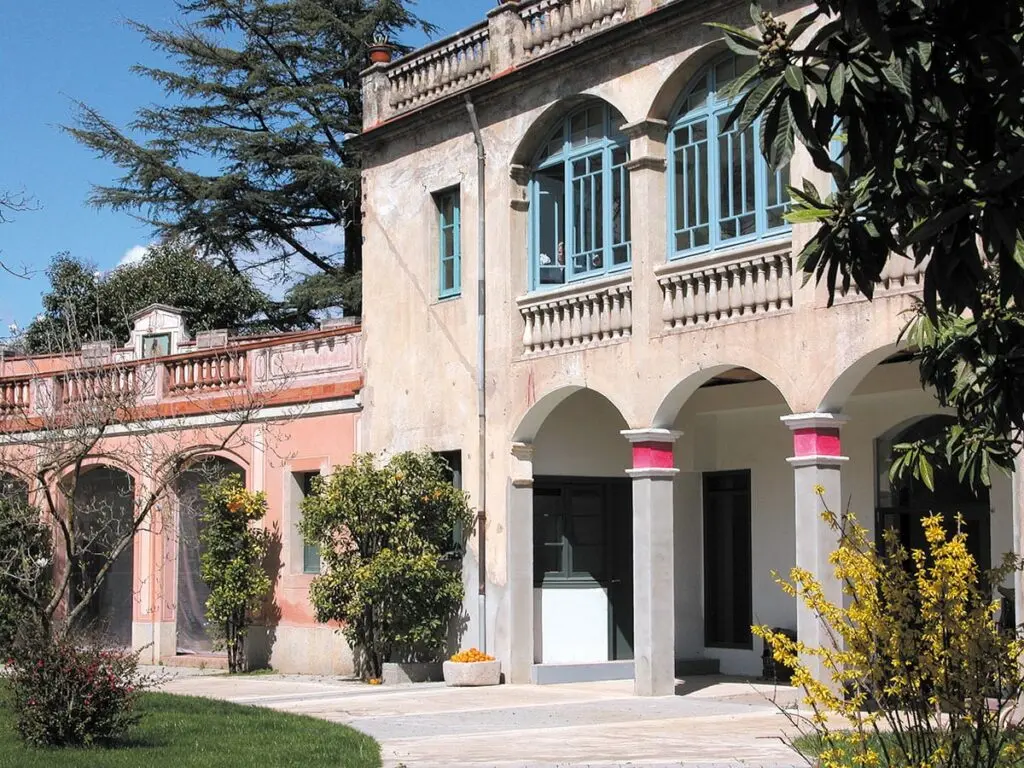
Ahead you can see the high peaks of the Pyrenees. On the left – just before the Besalú entrance sign – impresses old monumental industrial architecture. Here – far away from the big cities – crumbling, which would already be redesigned into lofts or scene meeting points in other places. We park in front of town. A venerable palace greets us even next to the parking lot. The gate to the garden is just ajar and we take the chance for a photo. The home side’s apple harvest is lavishly piled up in an old stone trough next to the majestic arcades of the villa. Someone cleans the large arched windows and looks over at us curiously. There is a Saturday calm after the season. We would like to get to know the building from the inside curiously. “Els Jardin de la Martana” turns out to be a gently restored and tastefully furnished hotel with 10 rooms that invites you to a romantic escape from everyday life into a different time of silence, coupled with the comfort of today.
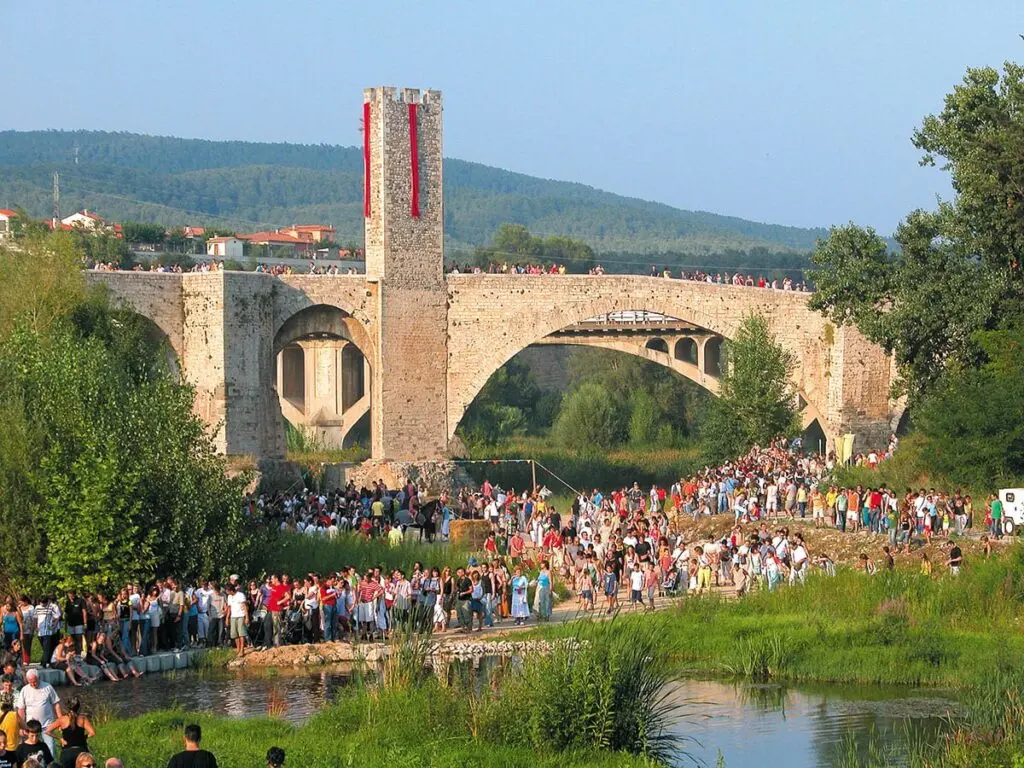
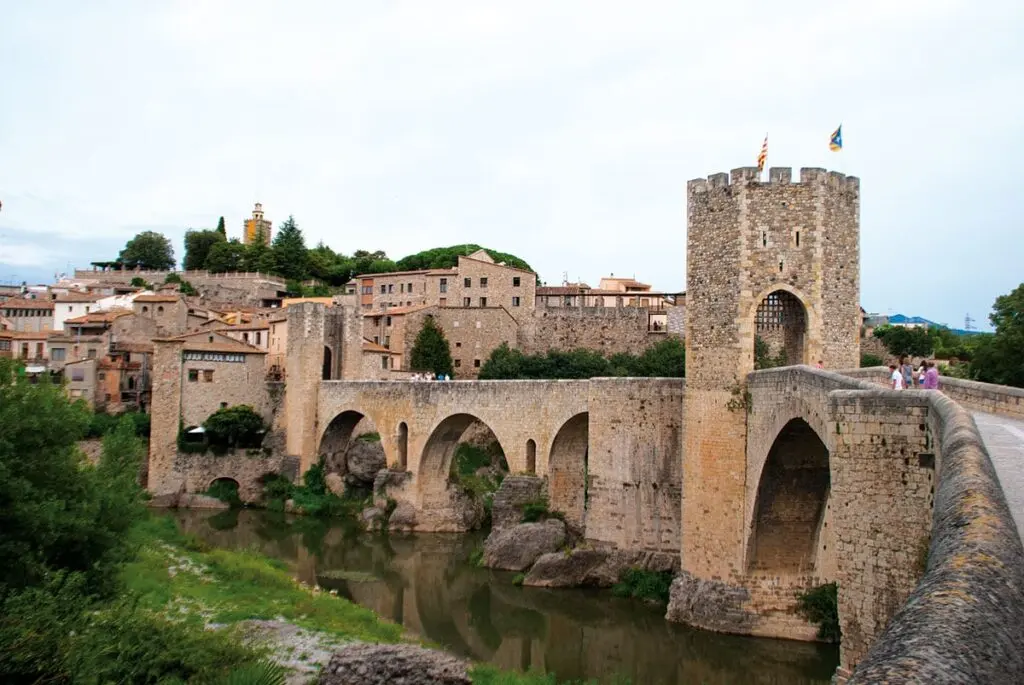
Pont Fortificat – Romanesque 11th Century Bridge
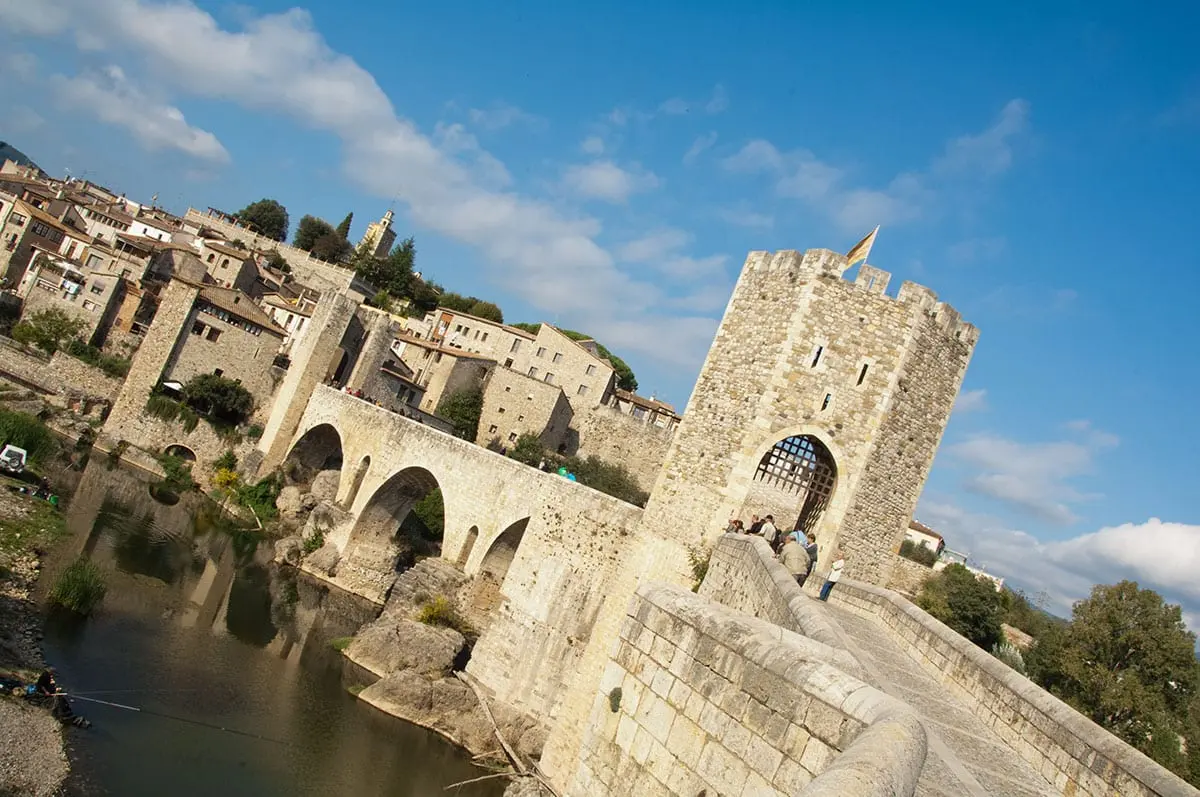
From here you can see directly on the Fluvià, the city silhouette and the landmark of Besalús – the Pont Fortificat, the Romanesque bridge from the 11th century with its two mighty defense towers and the striking kink in the middle We are happy about our discovery and are curious to continue. The river rushes deep below us on the bridge. Some trout cavort in the water. On the shore, a father practices snipping in the stone to the delight of his three-cheese high. In the Middle Ages, travelers in front of the bridge were required to pay off. Today we get to the city unmolested. We dive into the tangle of narrow streets.
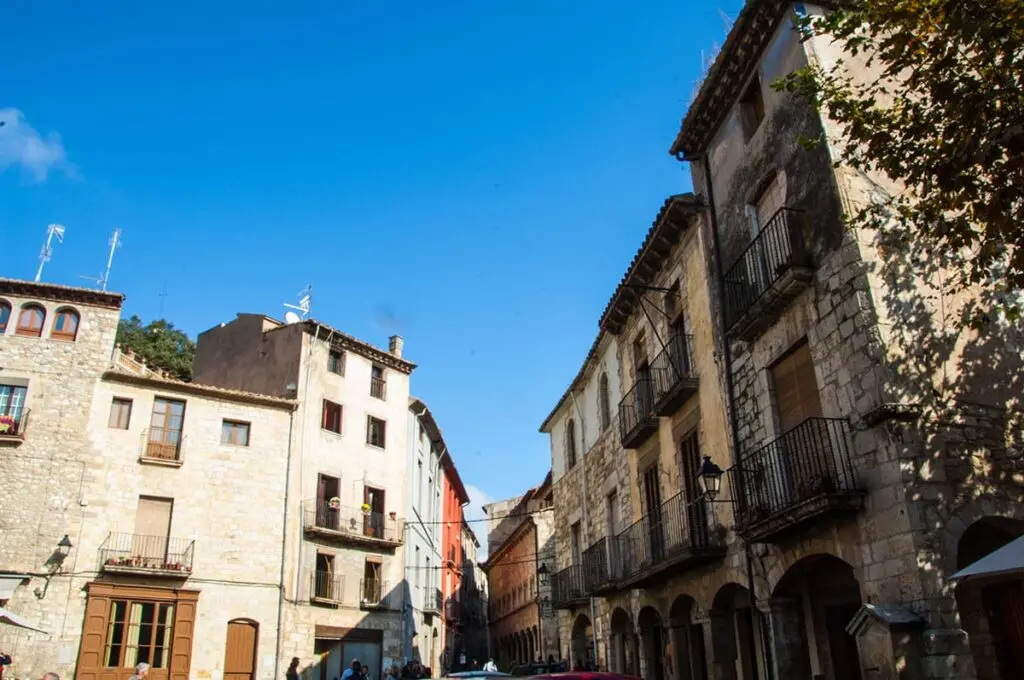
In the district of El Call, traces of the Jewish community living here until the end of the 15th century can still be found today: the ritual bath (Mikwah) originally connected to a synagogue is the only one in Spain.
Like 100 years ago
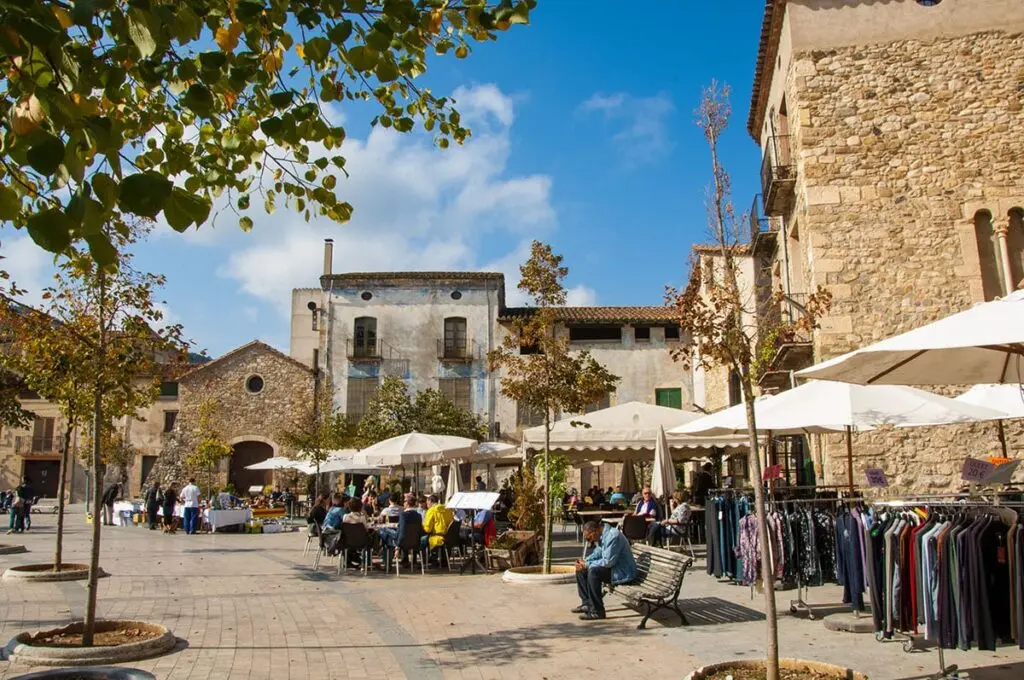
In the center of Besalú is the church of Sant Pere. Teeth blurring lions next to a arched window adorn the otherwise simply designed west facade. opposite the church of a destroyed 11th century Benedictine monastery. In the Casa Cornellà, the gates are open today. In the inner courtyard and in the gallery, the region’s forging and metal workshops are exhibiting their art and forging work. We are delighted with an antique refurbished old wooden door with wrought iron fittings and a hand-forged ornate bed frame. Since the 12th century house is privately owned, we are unfortunately not allowed to take many photos. The landlord allows us one last one from the inner courtyard and then we move on. Next door, a small, ancient chapel with slug windows invites guests to eat. A restaurant seems to be installed here. Curiously, we look inside and are immediately in the middle of the table. Unfortunately, lunchtime is over and everyone is sitting at the café. So we keep this original address in our memory for our next visit. In the alleys you will find small junk shops, vegetable and fruit displays and a grocery store like from another century.

Of course, there are plenty of street cafes, small restaurants and a number of hotels, historical facades, decorative archways, ornate window surrounds and construction sites, the church of Sant Vincenç, the Santa Maria Collegiate Church, the Church of St. Martí, Archaeological sites and a city tour of a kitsch train with a guide, which we absolutely do without.
In 1966, Besalú was declared a historical national estate (“Conjunto histórico artisto”). Every year on the first weekend in September, residents and guests dive into the Middle Ages with a great spectacle. With costumes and staging comes alive, which means the past.
Besalú belongs to the “Garrotxa” and is located on the edge of the Zona Volcànica de la Garrotxa. This nature reserve with approximately 30 up to 160 m high basalt cones, over 20 lava fields, maars and explosion craters is an impressive volcanic landscape that invites further excursions and hikes.
Excursion to Ruta Romànica
Back at the parking lot, a large billboard tempts us to take a trip to the surrounding area with Ruta Romànica. Since we love old stones, churches and castles, we follow the signs “Beuda” and turn just behind Besalú (back in the direction of Figueres) to the left of the main road. This is where the” Ruta Romànica” begins and after a short time the first small church appears on a mountain meadow: Sant Pere de Lligordà is a Romanesque church from the XII. century.

The house next to the church – the Rectoria (the vicarage) has been newly renovated and inhabited. Children play next to the vegetable garden. From here you have a beautiful view of the valley and the opposite mountain slopes with individual large Masias. From here, signposted hiking trails to the other churches begin. Our footwear is wrong, time is already well advanced and the camera equipment is heavy on the shoulder. We’re going to the next destination. A narrow street to the left up the mountain and land in front of the church of Santa Maria de Palera – a simple Romanesque church building, which also consists of the XII. century comes from. The place seems enchanted. The park-like, overgrown church garden invites you to a picnic. Cypresses sway in the wind, old olive trees stand between wine-covered walls, terraced with terraces, the rosemary overgrown meadow is lost in the thicket of nature. At some point there was an economy in the house next door. A rusty sign tells of it. Birds chirp in the branches. We find a gap in the masonry around the parish garden and discover a decaying beautiful house in slumber. With money, patience and a lot of work, it could be brought back to life. At the moment it is the party hut of the village youth. The church is locked and we drive back to Beuda.


Sant Feliu de Beuda
In front of the small town of Sant Feliu de Beuda with a Romanesque church from the XI. In the 19th century, the small, defiant castle “Castell Nou” in Beuda is enthroned in the middle of green meadows. We briefly envy the lord of the castle for his property, admire the location, view and ambience and continue to the village. There is a lot of activity here. The village restaurant is completely overcrowded with weekend trippers and quad riders. It seems good and inexpensive. We renounce and circle the church and the three houses in the village. The ajuntament seems oversized. Later we learn that the community extends from the southern mountain slopes to the Fluvià valley and consists of Catalan farms typical of the country.
The wonderful surroundings let us get in rapture again on the way back. The natural harmony of landscape, flora and fauna, crowned by proud, religious-medieval architecture, seems perfect here.
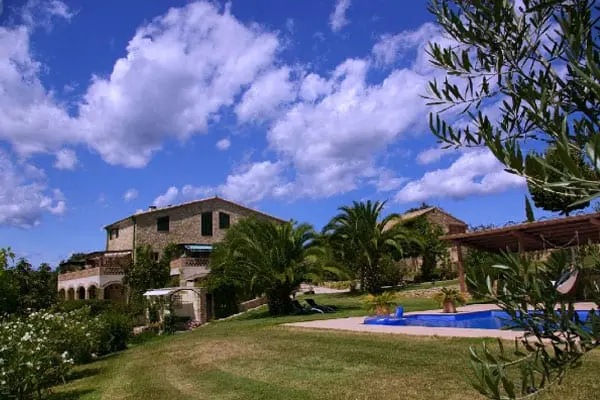
Masias – The Catalan Manor Houses
In this region there are also beautiful manor houses – Masias – from the 18th and 19th centuries. The farms of Falgars, the solid houses of La Masó, Can Maholà, Mas Salvanera, Can Oliveres… on foot, by mountain bike or jeep can certainly be discovered in this region.
For today we have seen enough and drive back home with a head full of pictures and texts.
More: Miniature Museum Besalú, Besalú – medieval magic, Medieval Besalú – between Lances, Lords and Ladies.