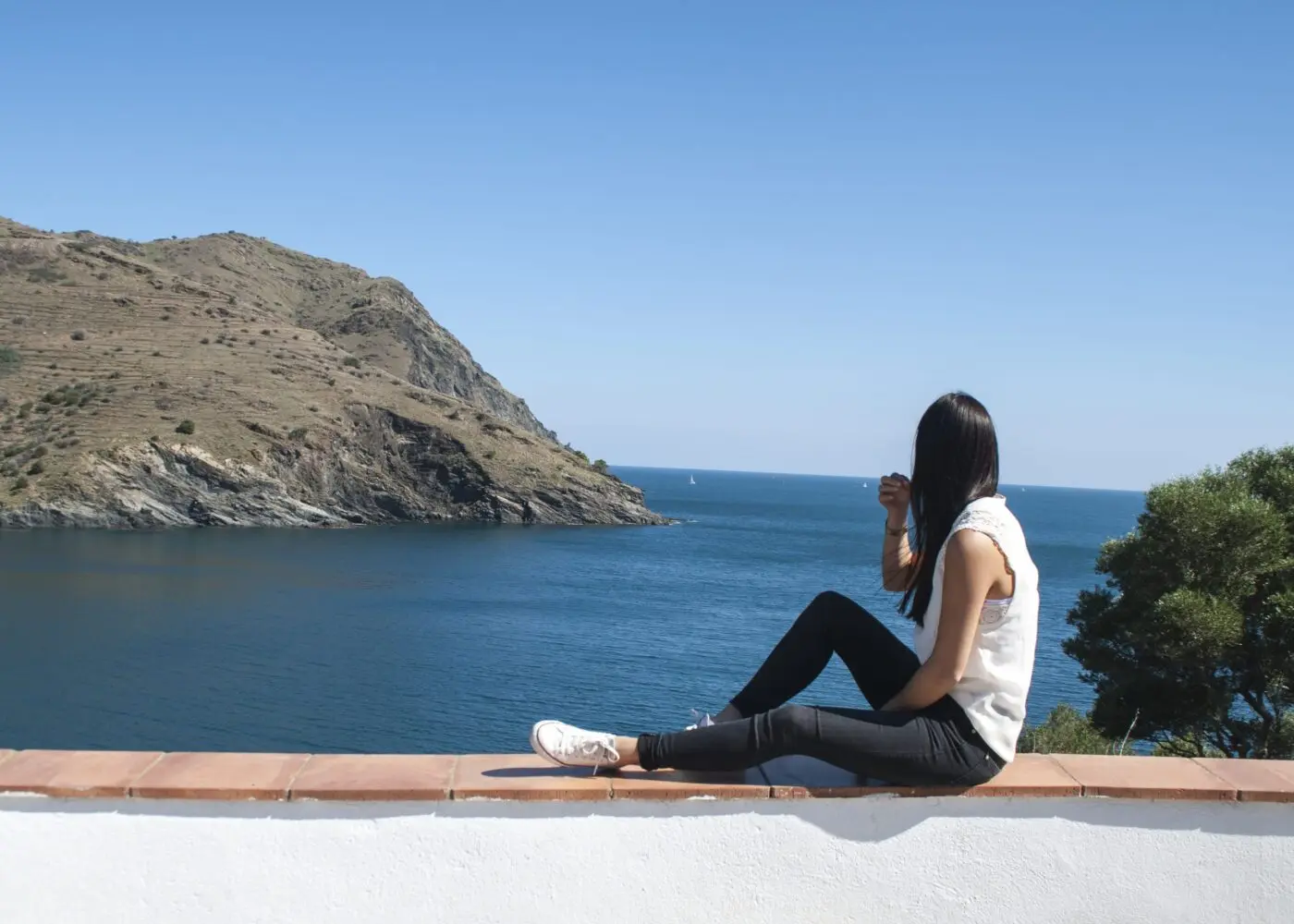
Curious how the Pyrenees probably look from the other side, we’re going on today France. The weather in September shows itself in its fullest beauty. The sun shines down on us through the open top of the car and the tramuntana lets the first leaves dance. Our journey leads across the country over the many small villages of the Empordà overlooking mountains and sea.
We cross that Aiguamolls at Castelló d’Empúries. A swarm stops us in the middle of the nature-protected swamp area storks. The big birds staggered together with their long red stork legs between cows and seem to graze together with them. We drive past the small villages on the slope pAlau-Saverdera and pau, whose urbanizations with a view of the Mediterranean Sea more and more international home buyers put on.

It goes through uphill Vilajuïga. There is one in town mineral water source, which has been commercially under the brand name since 1904. Aigua de Vilajuïga is used. Residents can tap free water from public taps. Because the sources of the village magical power are also said to cost us and realize that it somehow tastes special.
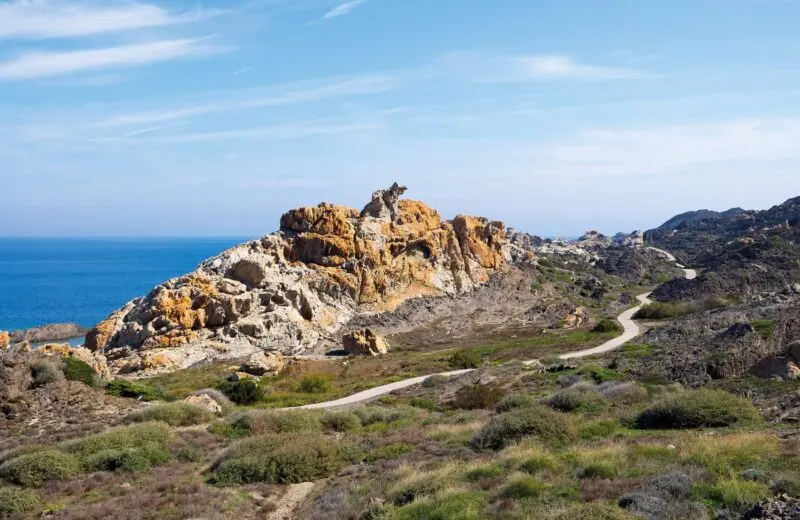
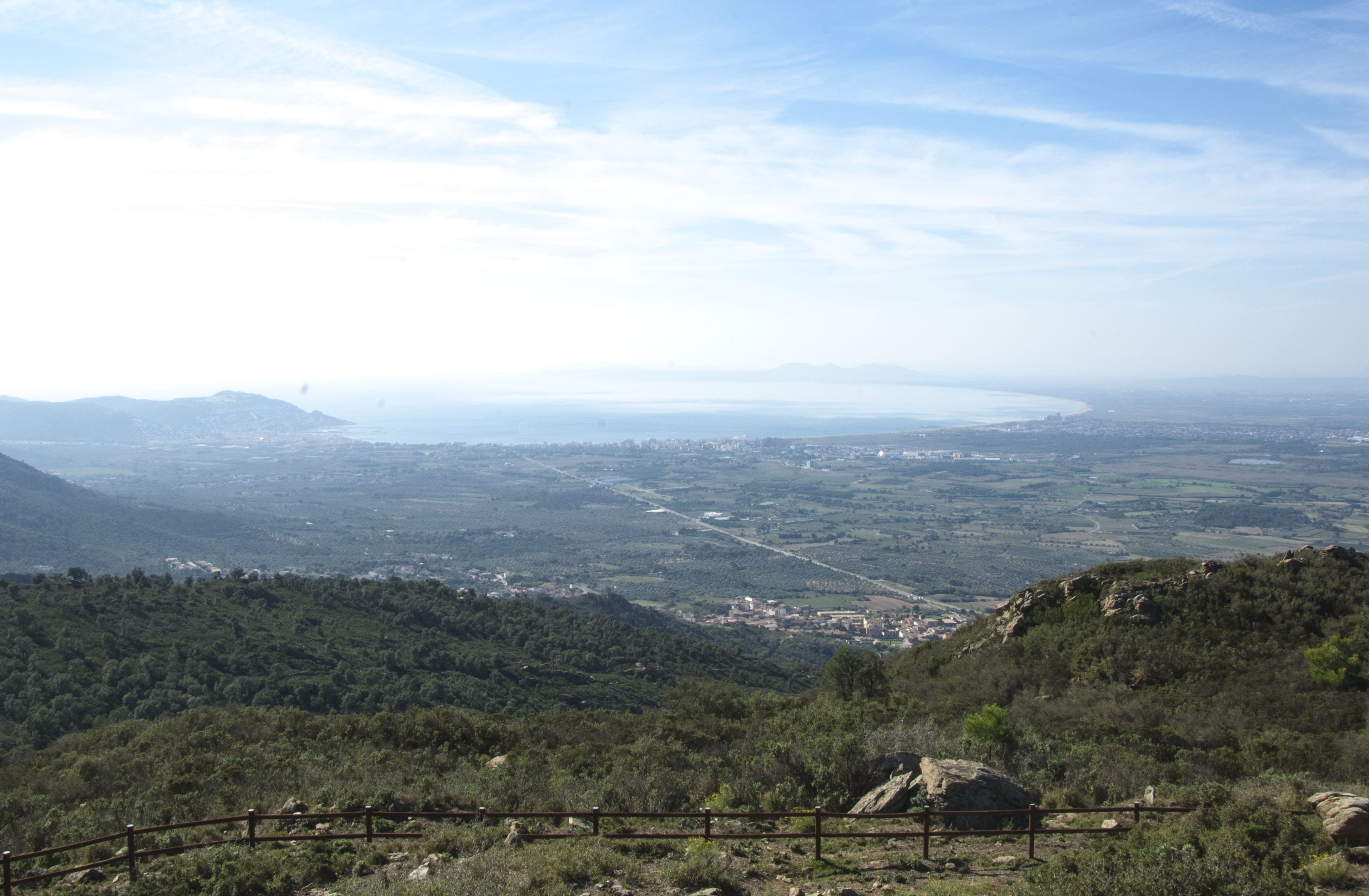
We follow the signs Sant Pere de Rodes over the pass road, which is typical for this time of year, up into the foothills of the Natural Parks Cap de Creus And stop high up at an old Masia, whose ruins can now be used as a public barbecue area.


Surrounded by old plane trees, accompanied by many wooden benches and a breathtaking view of the whole region, it is a much-visited place for family picnickers, curious hikers or celebrating young people. It is difficult for us to take a look from the vastness of the Empordà, tear the sea glittering in the sun and the Pyrenees, which marks the horizon. But we have a lot to do – we continue Sant Pere de Rodes.
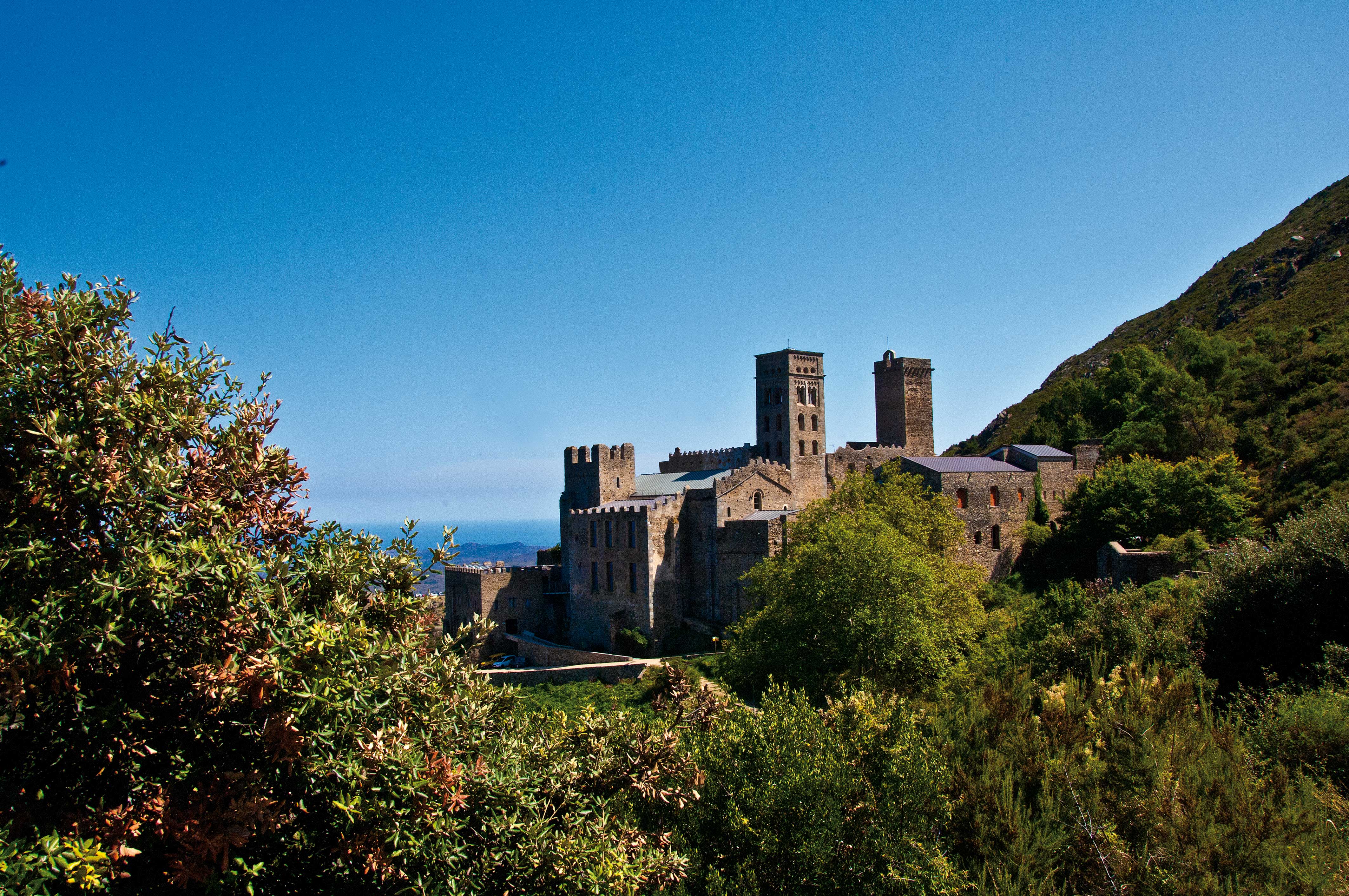
What awaits us there exceeds all expectations: the former Benedictine monastery Perched on a rock in front of us, powerful and intimidating at the same time. With its many towers, the heavy stone facade and the cloister of the monastery, it is embedded in nature and offers visitors to the museum an insight into his history. That too Restaurant It’s an insider tip, because there are delicacies at a low price and a wide view over the sea included.
From here it goes downhill again to the sea, Port de Selva and Llafranç roaming, over the wine region to after colera. The sleepy, small town just before the border with France with the railway bridge over its gates today shows off with its beautiful villas on the cliffs of the sea.

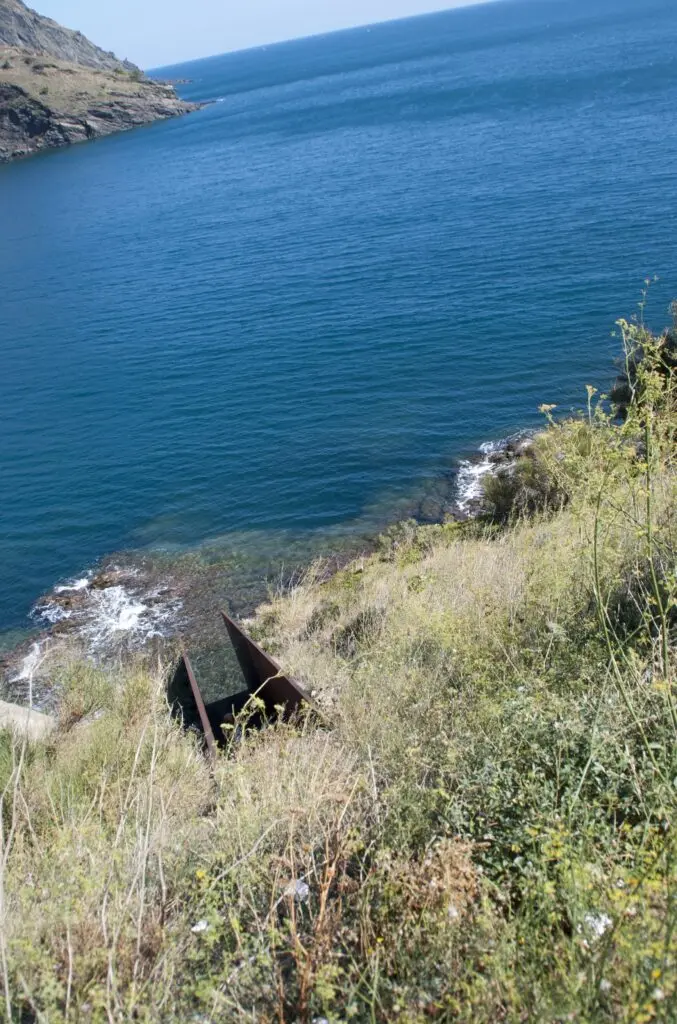
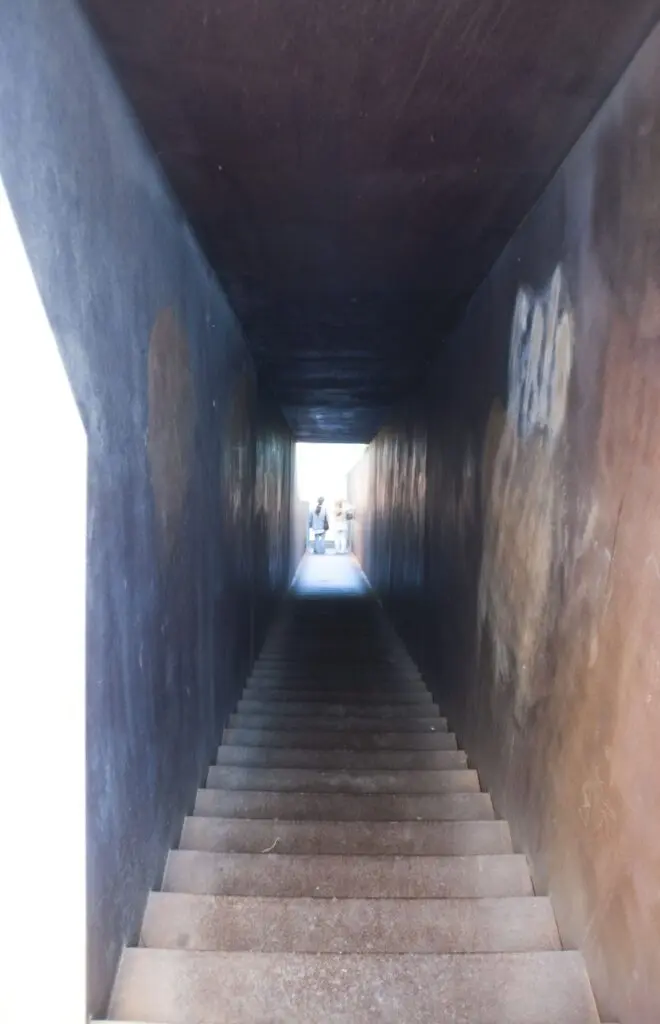
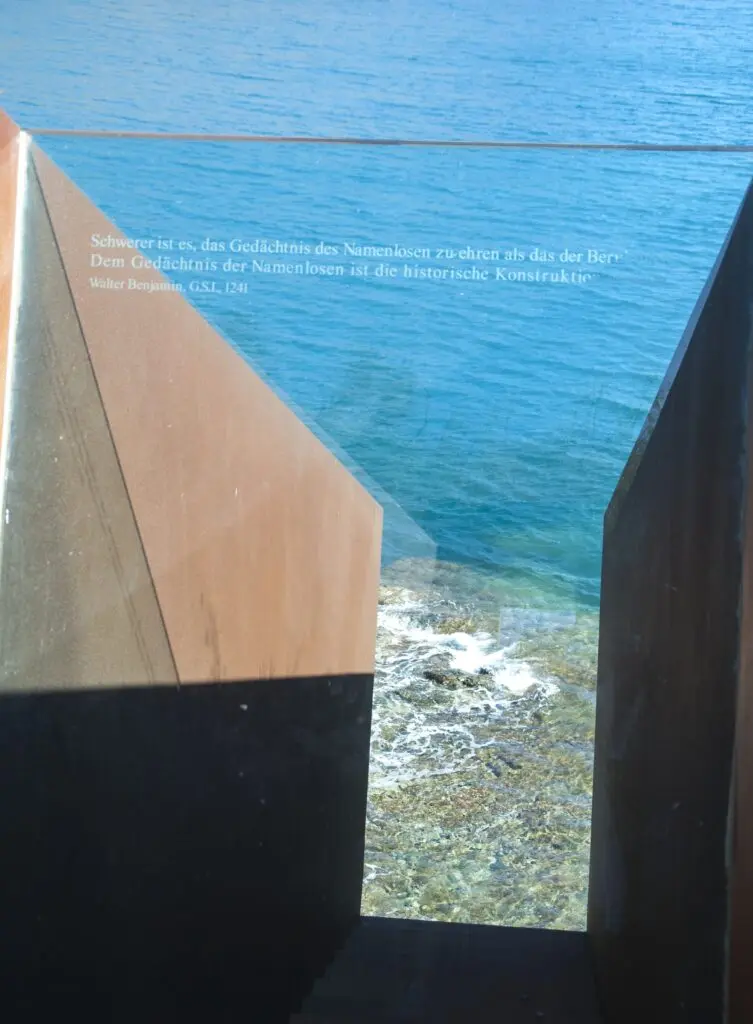
Portbou is then our last stop just before France. the German Philosopher and literary critic Walter Benjamin, who committed suicide in Portbou in 1940 for fear of the Gestapo, became the monument in 1994 “passages” dedicated. The Israeli sculptor Dani Karavan created an impressive walk-in memorial: a rusty-steel tunnel leads the visitors a long staircase down the cliff almost to the sea. A glass wall with a quote from Benjamin locks access to the horizon and at the same time protects you from falling. Engraved in glass the quote from Benjamin’s notes on his last essay “On the Concept of History” written in 1939: “It is harder to honor the memory of the nameless than that of the famous one. The historical construction is dedicated to the memory of the nameless.” (Walter Benjamin, G.S. I, 1241)
The last ones dive between France and Spain Pyrenean foothills into the Mediterranean. We wind our serpentines up to the neighboring country.
to the previously monitored border France remember today only the old ones border house, Sprayed with graffiti, leave the top of the mountain. Everyone can pass unhindered in both directions. Wars repeatedly created boundaries that were fatal to many people. Today we look forward to one united Europe and can find free traveling that the Pyrenees also viewed from the other side, sublime and very beautiful impress.