Espinavell
The first impression when stepping out the door is breathtaking. On the horizon of Costa Brava The sun slowly rises. In the background, the painterly protrude Pyrenees to heaven. Autumn is in the air. The smell of firewood creeps into the nose.
We start early from Torroella de Fluvià In the direction of Espinavell, to experience the annual horse downforce from the mountains. The path leads us through impressive mountain landscapes and small villages up to the Pyrenees. Passing Besalú and Olot, we make a small stopover in Camprodon. Here we provide ourselves with a little way food: crispy bread from the stone oven and delicious mountain cheese from the region come into the backpack. Traditionally Catalan Coca with a sugar cap sweetens the rest of us. Further via Molló we slowly reach Espinavell. The mountain slopes are lined with red-colored vines. Yellow and orange leafy trees adorn the serpentines. Only a few stains are still green. Autumn is already knocking.
Tria de Mulats – the traditional horse downforce
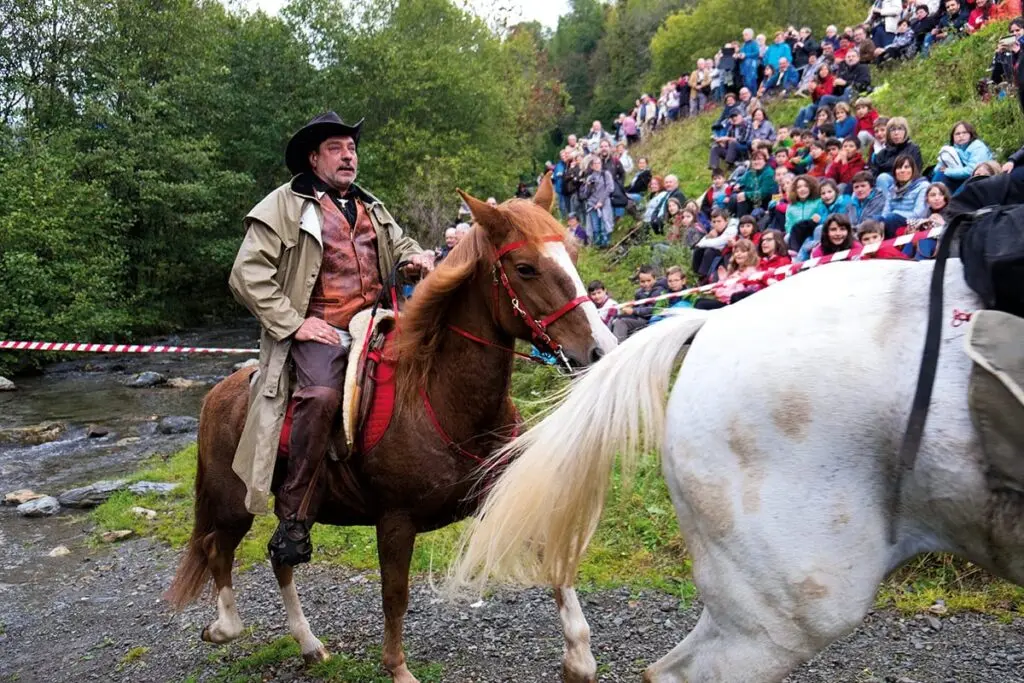
In front of us is the municipality of Mollò, which serves as a central meeting place for all those who do not dare to take the almost 3 km steep climb to Espinavell with their own vehicle and prefer the more comfortable transfer by bus. We follow the numerous courageous on our own up to the parking lot and immediately reach our limits. Mud covers the ground and is difficult for us to reach the parking lot on the wet meadow. After a few attempts and with enough momentum, we finally make it. As soon as you got out of the car, crowds of people already flow past us in the direction of the fairground. Many locals have thrown themselves into chic robes for this day.
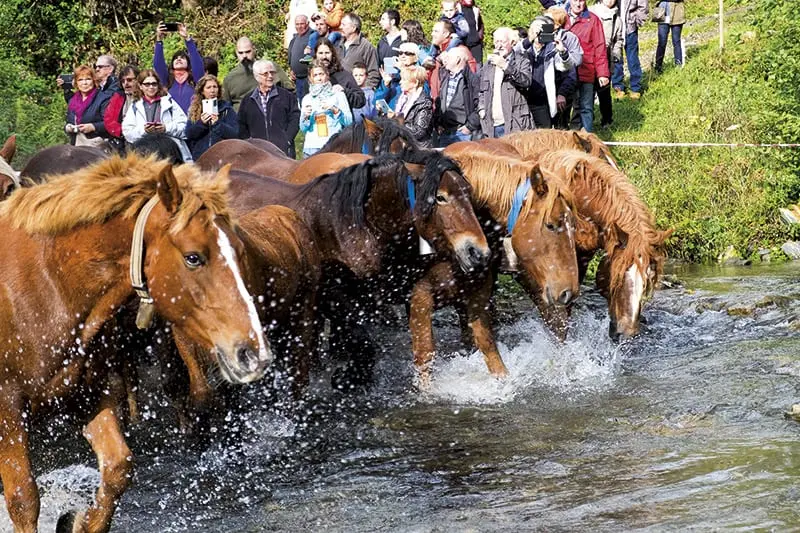
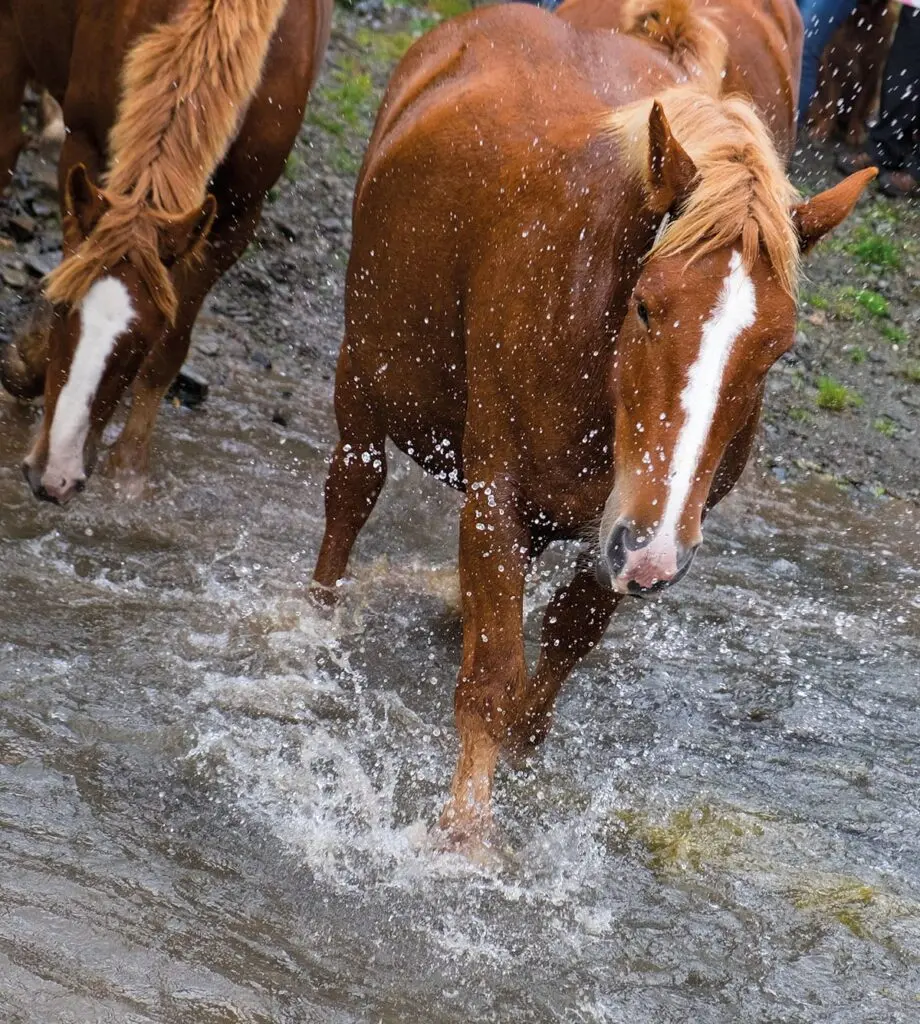
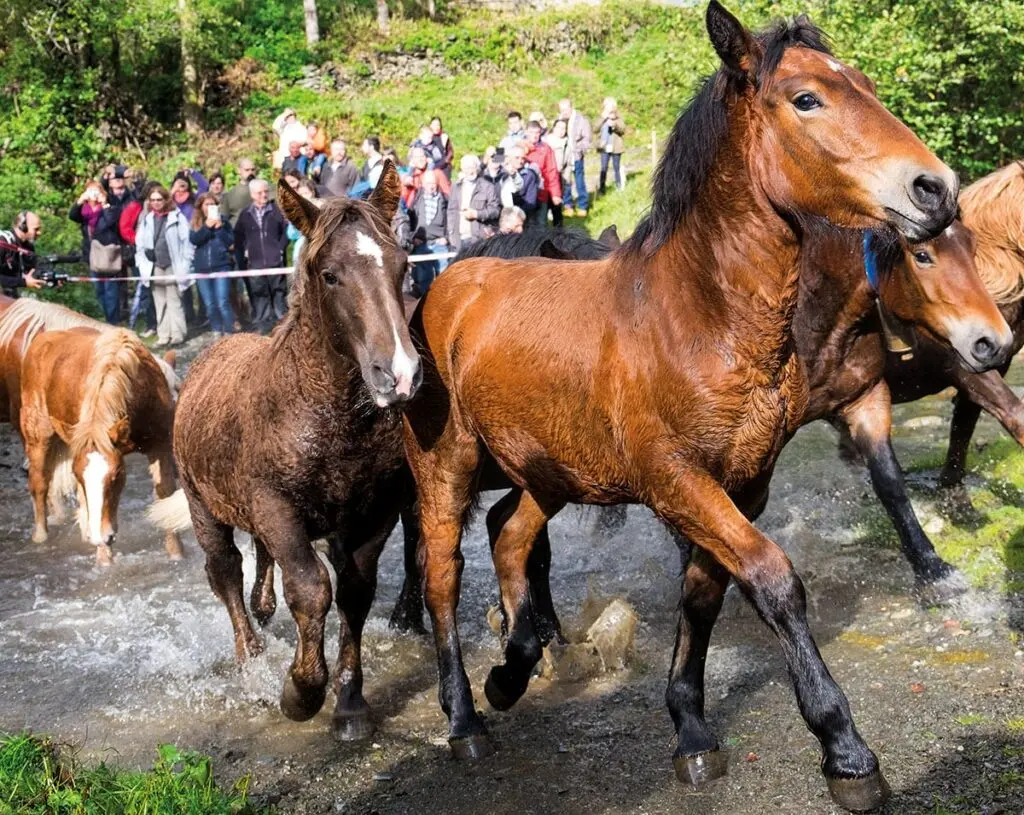
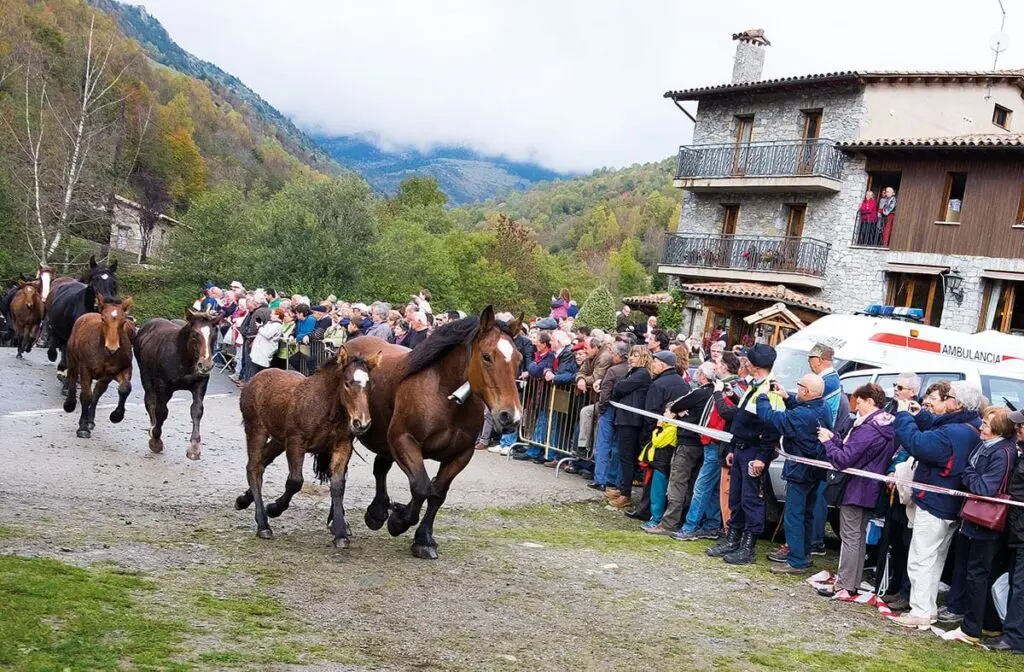
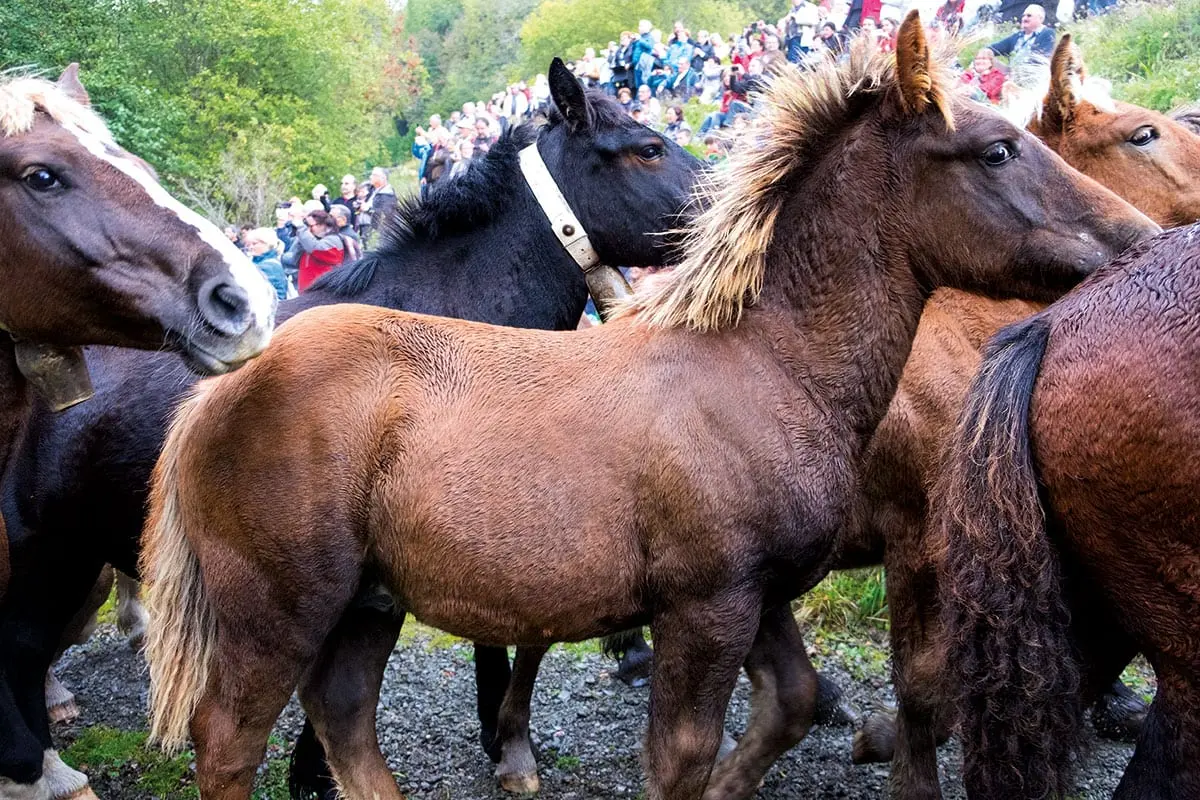
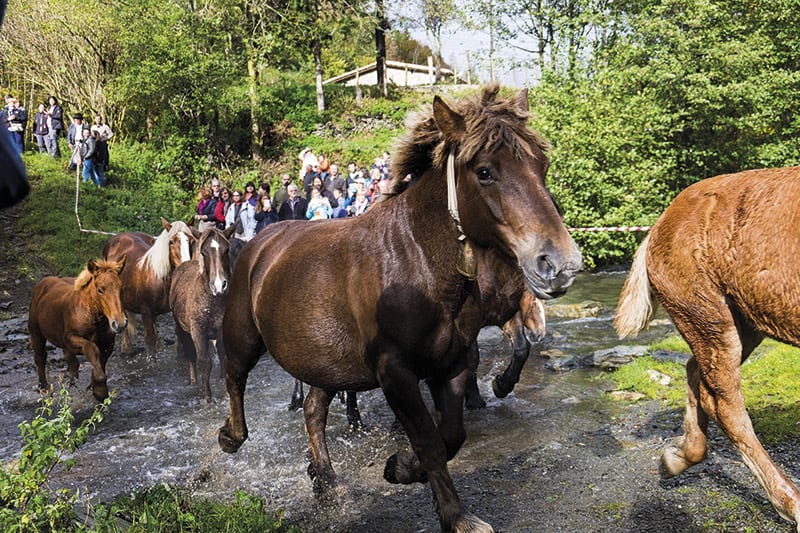
Every year on St. Edward’s day – October 13th – traders and animal lovers from the region meet to experience the traditional horse downforce in Espinavell. On this day, the tiny Pyrenean town is in a state of emergency. It’s a small folk festival every year – families, school classes and more and more tourists don’t want to miss the event. After months on the pastures high up in the Pyrenees, horses and foals are driven down into the valley before the cold winter and handed over to their owners or buyers. The arrival of the horses in the valley takes place with thunderous applause of the assembled crowd. With concentrated strength, the herds storm down the slope to the creek. There is a short stay and the chance of cool refreshment is used gratefully. Later on the central square of the event, the dealers and prospective buyers come into conversation with each other.
Artesania – colorful market hustle and bustle
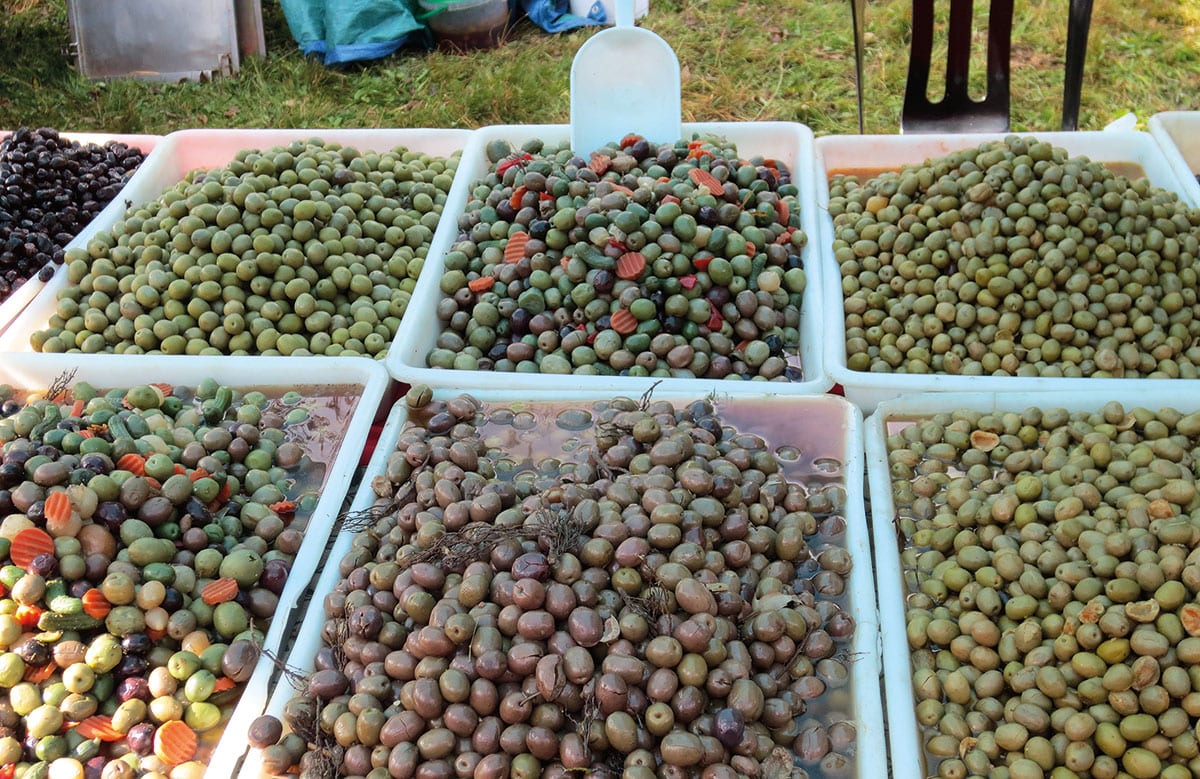
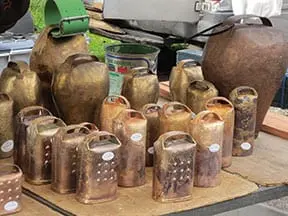
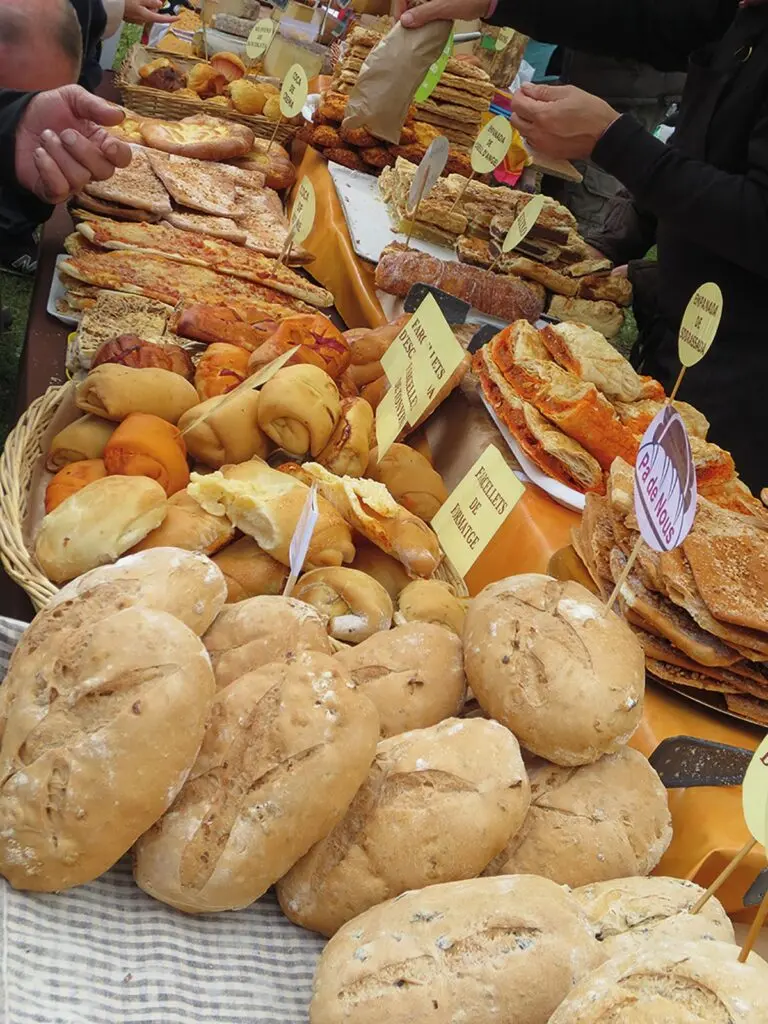
We stroll along the many market stalls. From traditional cattle breeding products to sweet and savory delicacies from our own production and all kinds of handicrafts, there is something for almost everyone. A short detour up to the center of the small, romantic mountain village of Espinavell is also worthwhile. From up there you have a fantastic panoramic view of the mountains and the market. A warming cortado in the village café enlivens the mind.
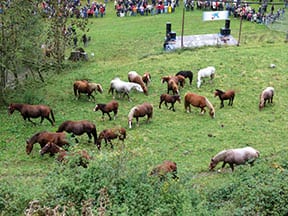
In the late morning, the most beautiful horses will be awarded by a specialist jury. The animals then spend the winter on their respective breeding goods and the pastures in the valley. The free wild life on lush mountain meadows with delicious wild herbs is over for the time being. When the last snow is thawed and the spring sun will attract the first blossoms next year, because the herds will also return to the Pyrenean plateaus.
The festival continues into the evening. Many use the culinary chance to enjoy a delicious lunch menu in the Espinavell country inn. But we continue towards the French border.
French impressions
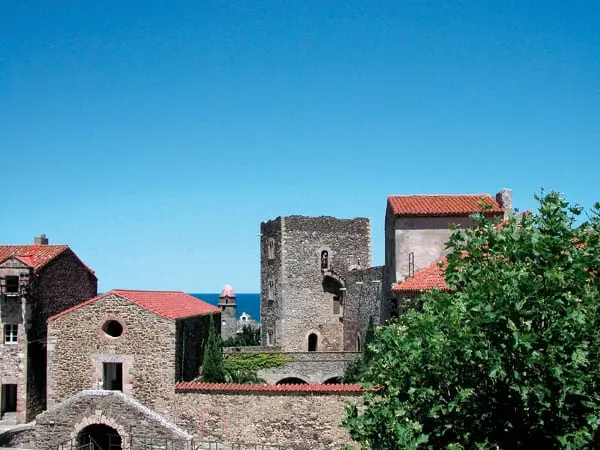
France is just under half an hour’s drive away and we use the afternoon to visit the neighboring country. Here, too, picturesque landscapes and charming small towns with typical French charm lure you. From Céret via Le Boulou, the path leads us back to the sea to Collioure. The small colorful artist town is still well attended in mid-October. Since Henri Matisse discovered the sleepy fishing village with his artist colleague André Derain in 1904, the former fishing village has been considered a Mecca of the Arts. Red tiled roofs, ornate balcony grilles, blue shutters, pastel-colored house facades, winding streets, steep stairs, old castle complexes and the boats in the harbor still form the picturesque backdrop of beautiful holiday memories today. No wonder that the kings of Mallorca once built their castle here – today a museum – as a summer residence. We stroll through the small town center, browse through small boutiques and delicacies and enjoy a cappuccino view of the harbor before we head back to the coastal road towards the Spanish border.
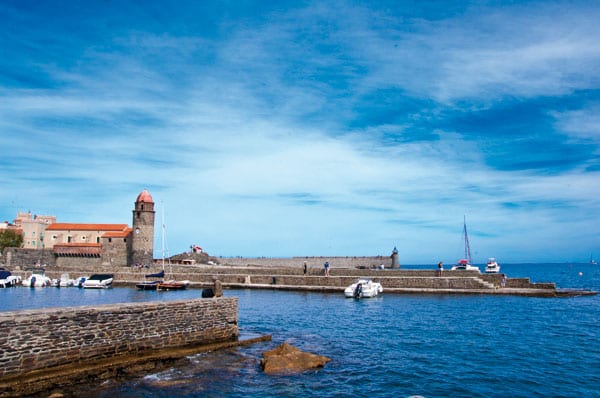
Grapes now characterize the surrounding landscape. We are in the middle of Roussillon and drive through the Banyuls growing area. A wine from Banyuls can certainly be of good Port wine Remembering, characterized by intense scent of honey, dried fruits and vanilla.
Limitless
Continue along the coast, head back towards Spain. No barrier, no fence, no border post still marks the border between France and Spain. Countless refugees once brought themselves to safety via the Pyrenees. The Walter-Benjamin Memorial “Passagen” also warns of this.
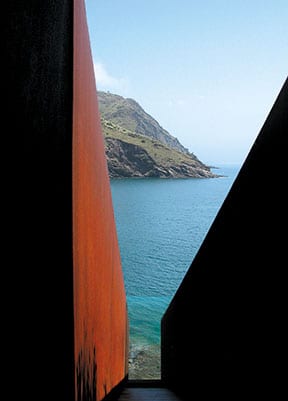
This was designed in 1994 in memory of the philosopher Walter Benjamin by the Israeli artist Dani Karavan. “The temporary, short-lasting” stands in an impressive way for Benjamin’s escape from the Gestapo, which ended tragically here. Benjamin’s quote on the glass plate at the end of the tunnel high above the sea is more relevant than Jej: “It is harder to honor the memory of the nameless than that of the famous one. The historical construction is dedicated to the memory of the nameless.”
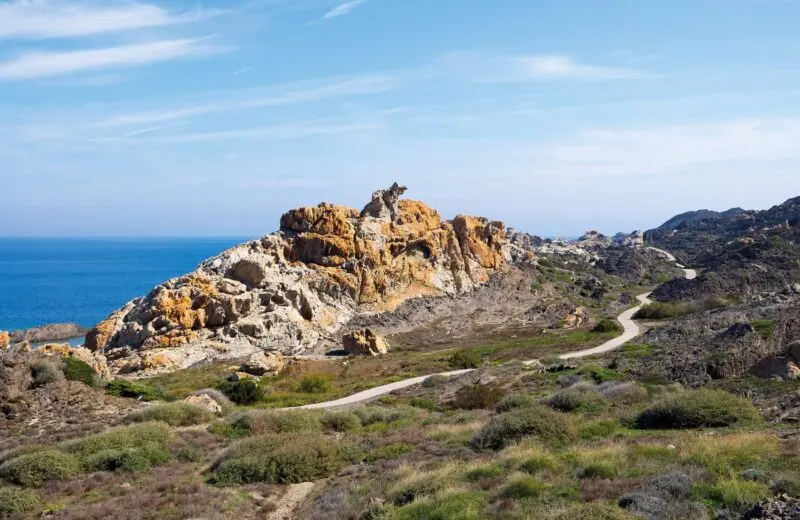
Thoughtfully we continue in the direction Figueres. The contrast of the mountain landscape and rough coast has us under the spell. Flora and fauna show themselves in full beauty in the light of the evening sun. Winter is still a long way off. But the first migratory birds have already landed on the Mediterranean. The last tourists soon leave the beaches of the Costa Brava and then the region of hibernation begins. The numerous impressions of today will accompany us for a long time…