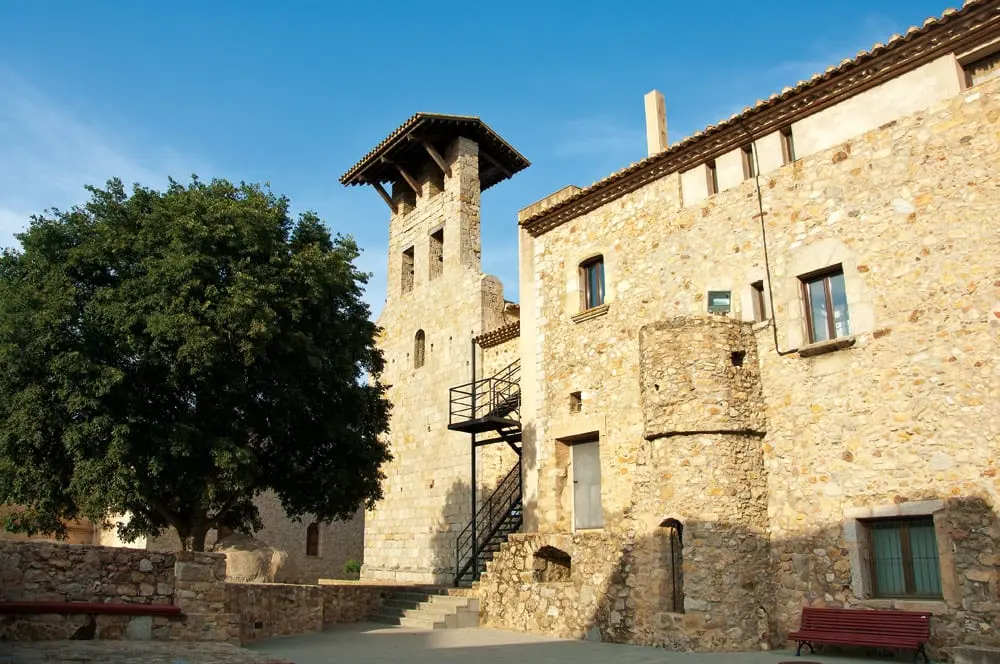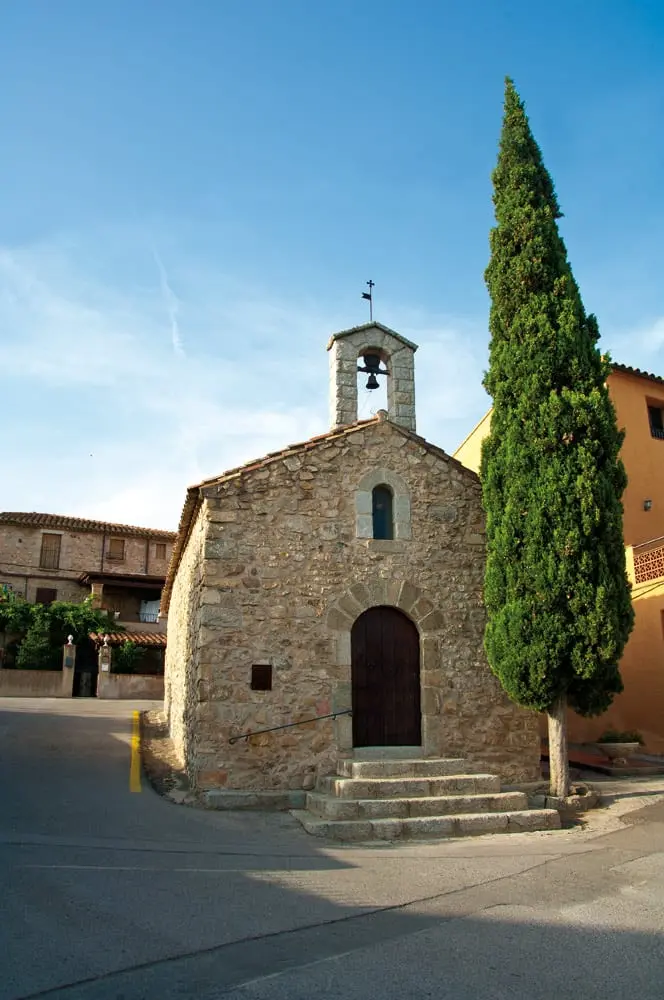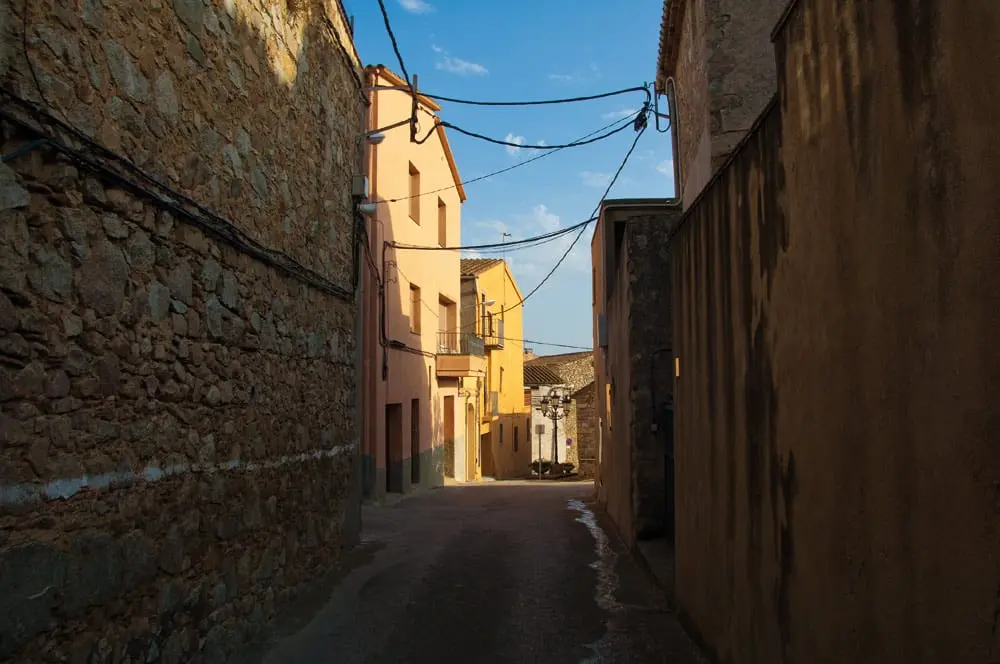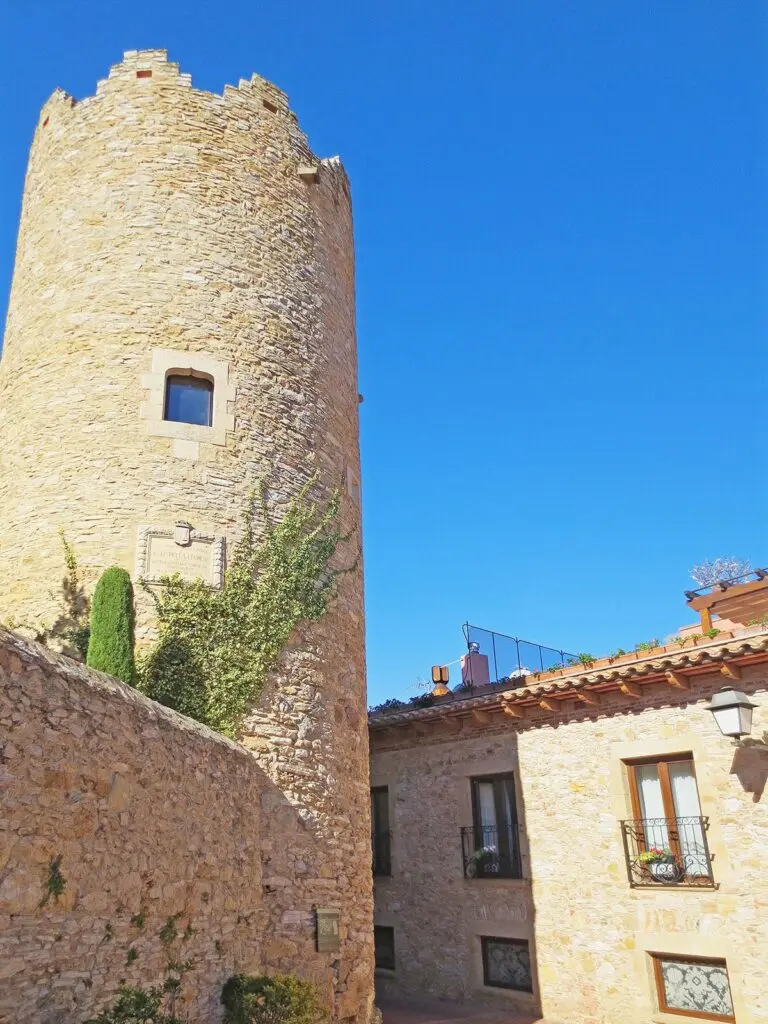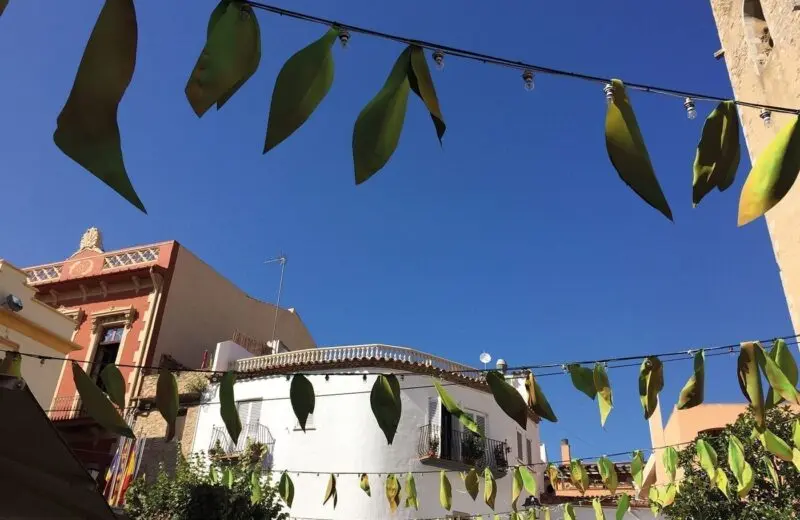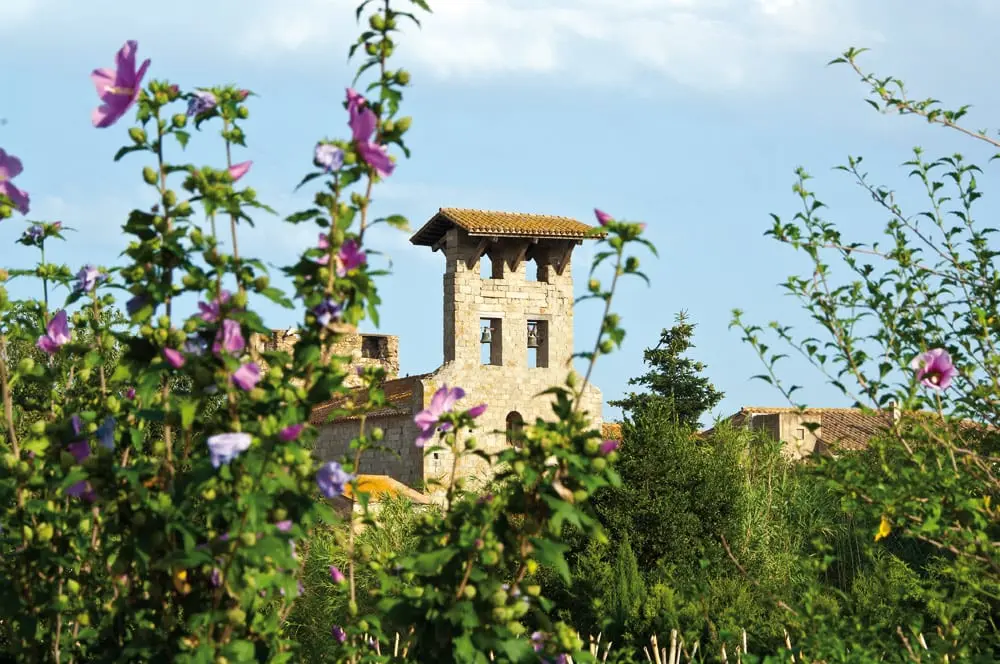
The Costa Brava – Entire travel guides are now dedicated to their rough beauty, the numerous pretty villages and the cultural diversity of the region. This time we are dedicated to the less classic tourist beauties and have put together ten of the most beautiful villages on the Costa Brava for you. In addition to probably the most well-known pearl – Cadaqués – there are numerous others who want to be discovered. Ten village beauties that make you want more and promise wanderlust..
Here is our top 10 of the most beautiful villages in the Costa Brava
garriguella
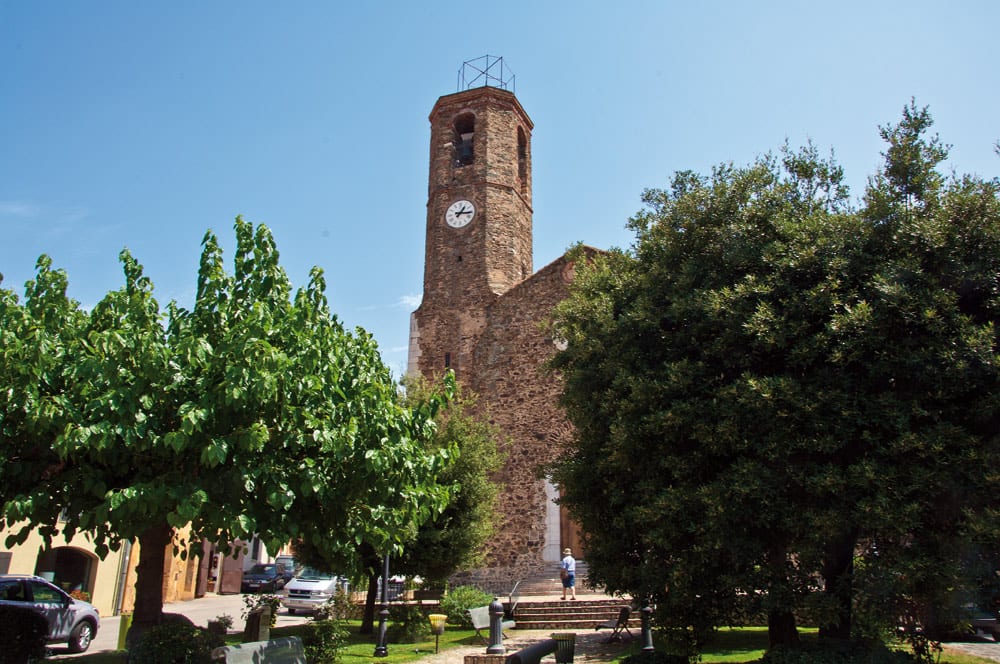
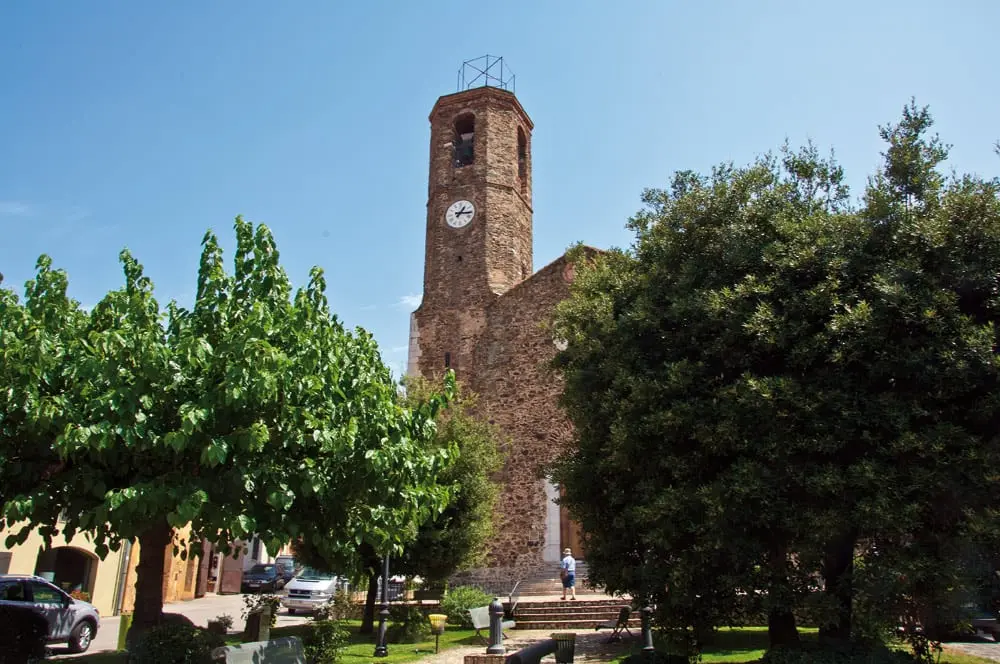
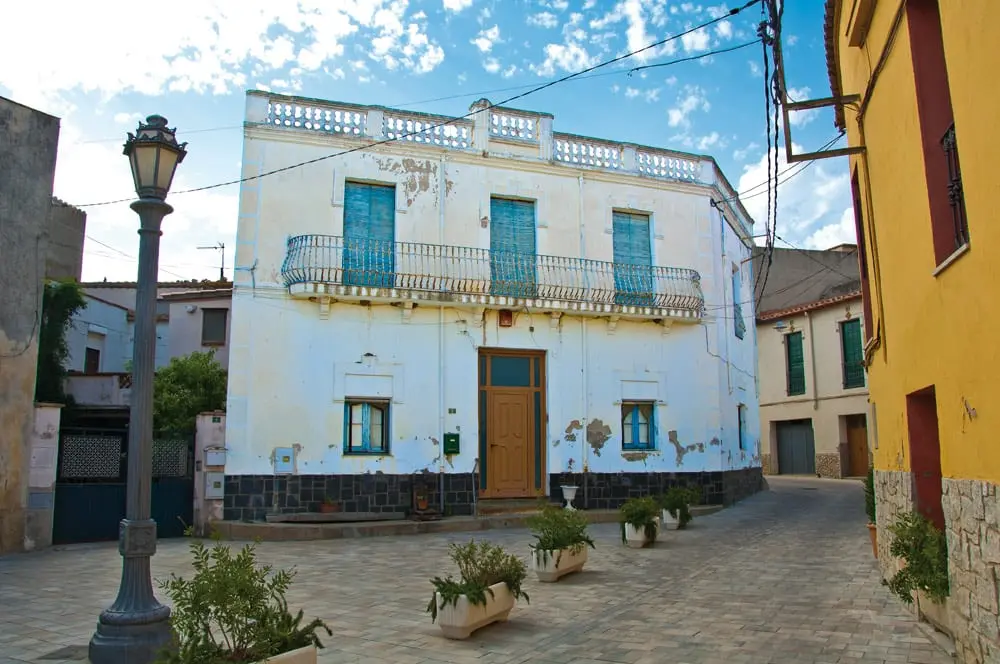
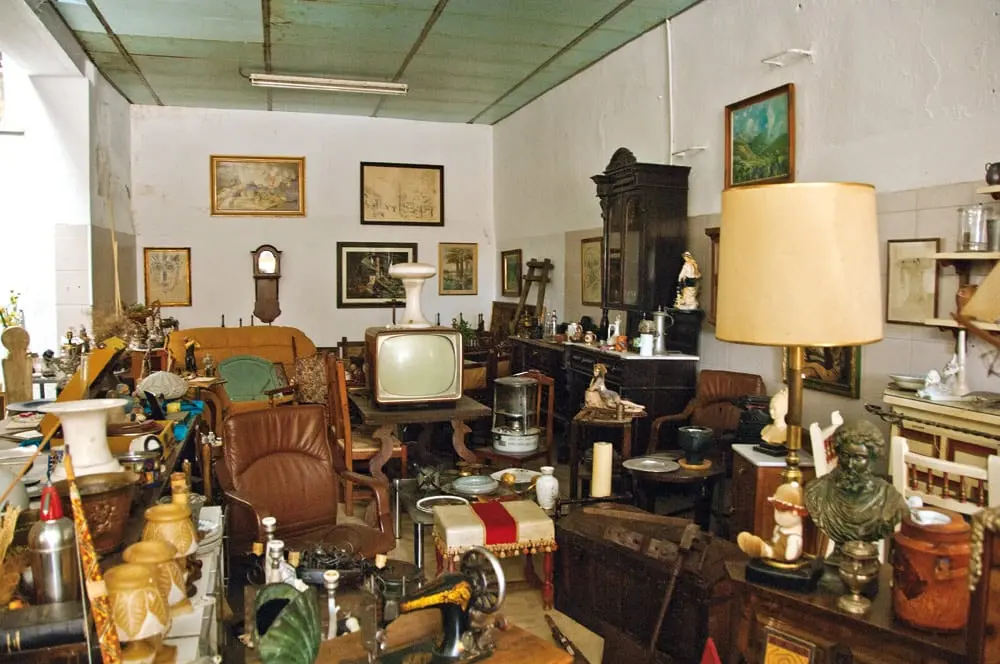
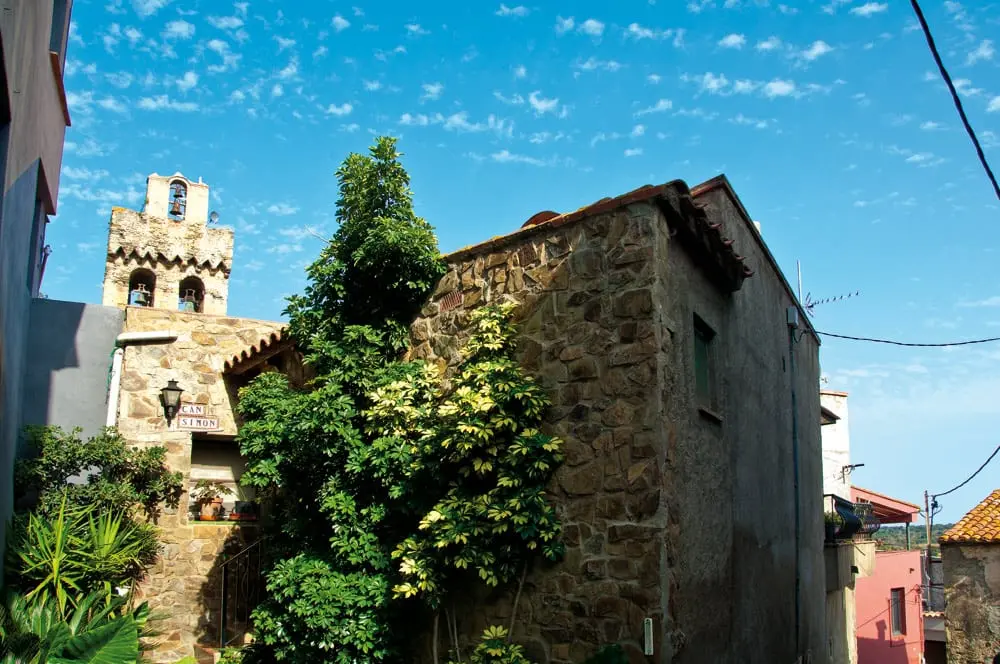
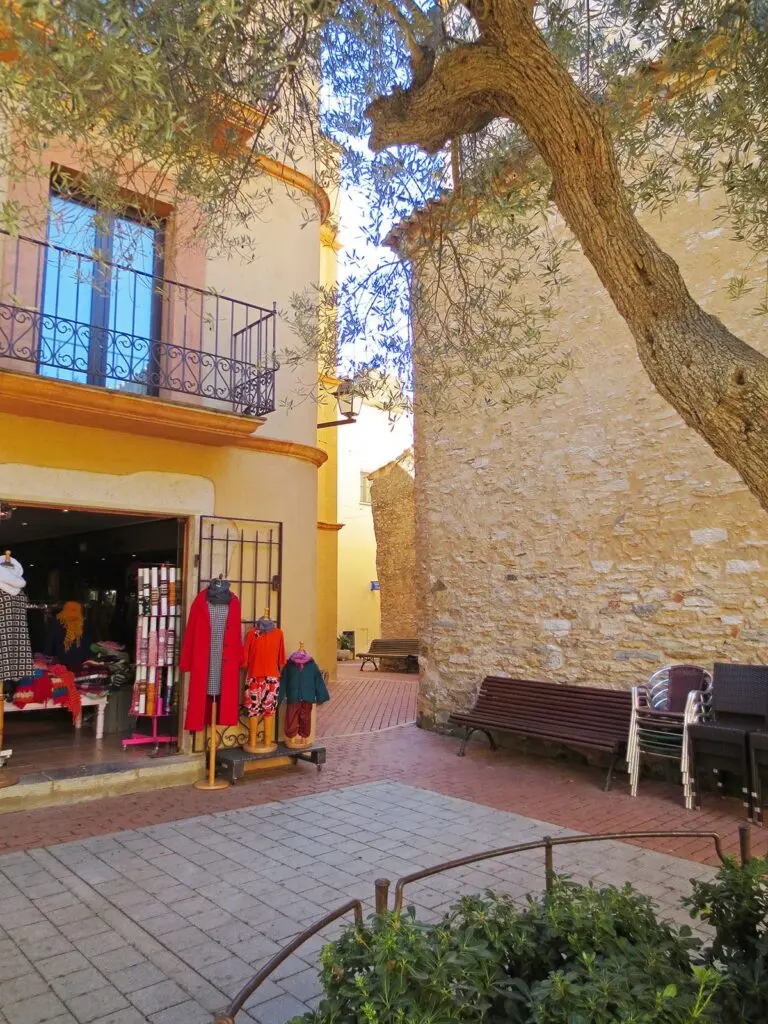
garriguella is that dreamy nest that it likes to end up in. The village church in a small park, the stone walls of the houses overgrown by flowers and the pale silhouette of the Pyrenees, which presents itself between the narrow streets, allow medieval flair to seep into the town and one Waiting for the carriage that could appear at any moment around the next corner. The place works with its manageable 850 inhabitants Like a treasure chest in which many a piece of jewelry is hidden. Swallow’s nests are stuck to the roofs of the colorful houses, and the smell of freshly baked bread flows from the bakery, and the after-work beer can be enjoyed either in style in the restaurant in front of the church or casually in the village bar. In any case, the colorful houses exude an inviting and cheerful atmosphere – if you stroll through the streets you come across some, scattered buildings in the colonial stylereminiscent of long summer days in Cuba. Incidentally, a special eye-catcher of the village is the charming antique shop located at the entrance to the village, where you can browse and haggle wonderfully.
Vilajuïga
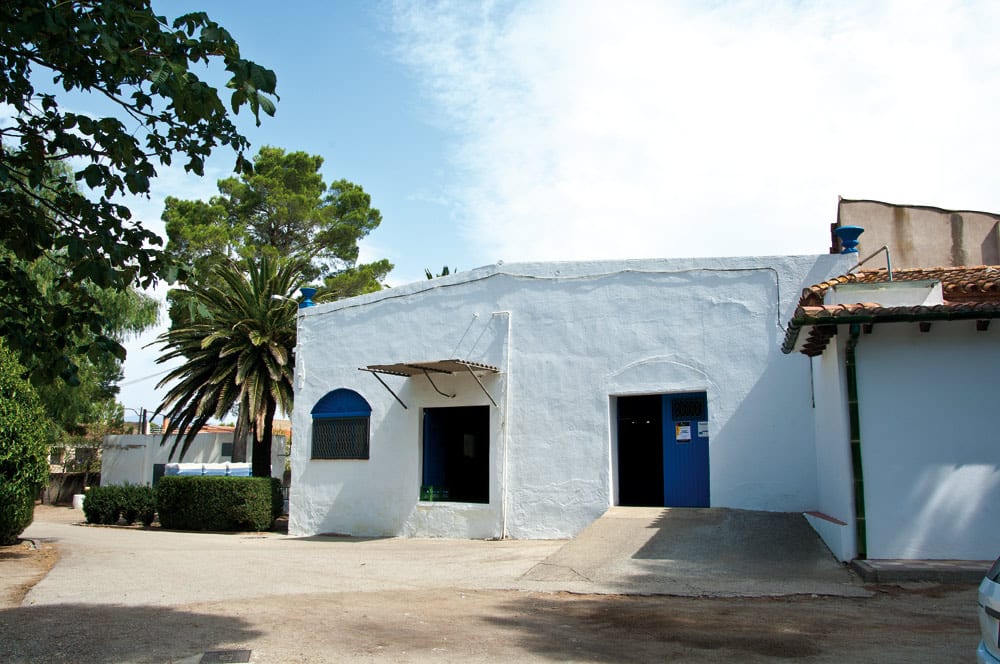
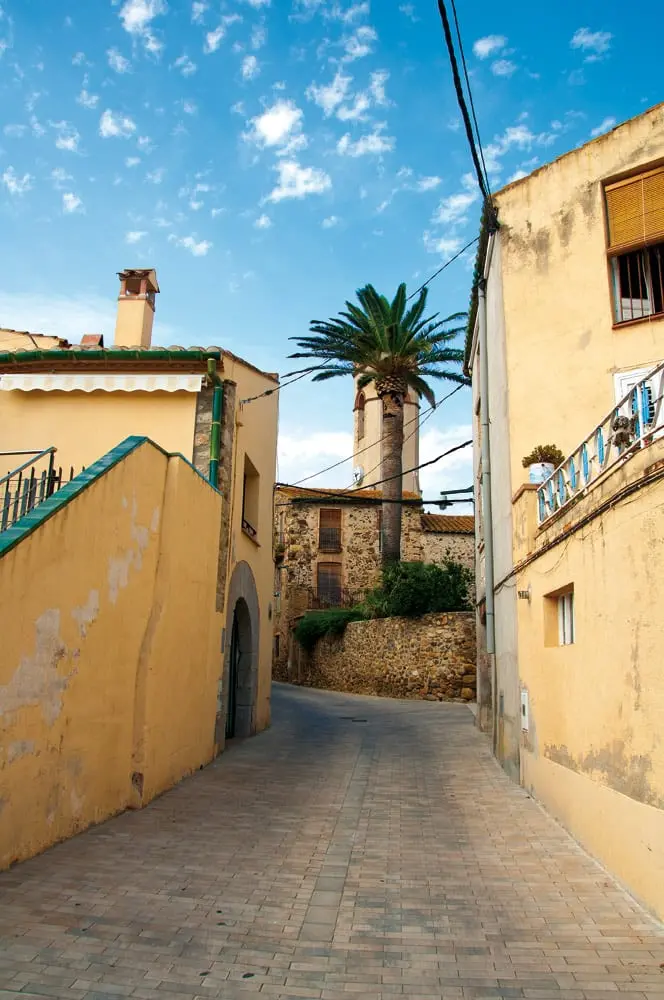
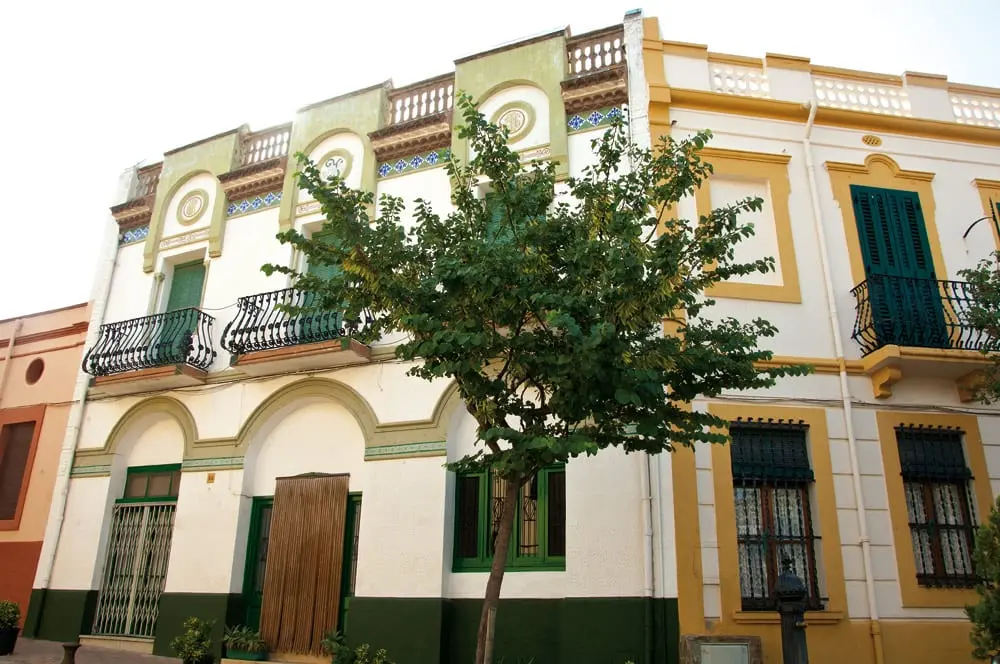
Vilajuïga It may be tempting with its culinary treasures at first, but for the sake of the charm that the village between the rolling hills of the Pyrenees exudes, one should linger. the good wine, as well as that of village source Mineral waters have contributed to the region’s fame, but although more people are encountered in Vilajuïga than in some other mountain villages, there is a pleasant tranquility over the roads lined with palm trees and blooming rhododendrons. Stone houses and painted facades in orange and red tones gives the place an interesting oriental touch. Small cafes scattered on the side of the road with their cozy ambience. Vilajuïga is the perfect place to escape everyday life and yet to a little urban character not to do without. There is a school, a pharmacy, as well as various shops, including its own fish shop, and neither Figueres nor the picturesque coast or the French border are more than a stone’s throw away.
Sant Climent
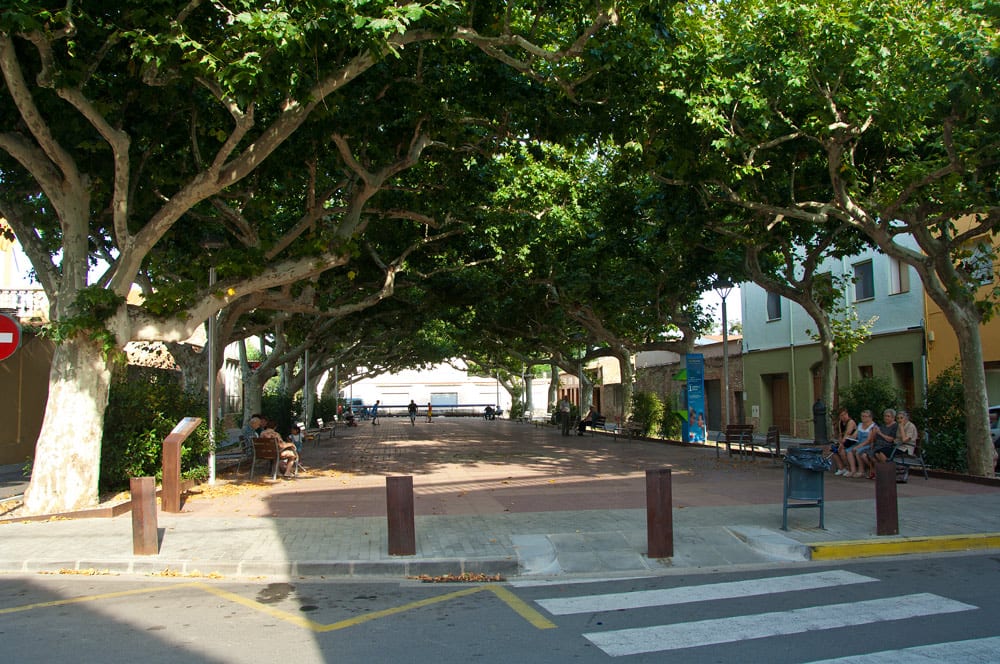
Sant Climent is probably the only spot that has its own Rambla despite its rather low population of 560 people. So you are amazed at first when you approach the charming village center and suddenly on the wide, green trees lined bumps. The residents have settled on the shady benches, the windows of the stone houses are decorated with blooming geraniums, behind the monumental church there is a small park with a children’s playground. If you roam through the old streets, you think one Whispers from the old days to be heard. Sant Climent welcomes its visitors – there are several spas, cozy bars and restaurants and a village-owned pharmacy. The butcher and the baker also attract with fresh bread and all sorts of regional specialties. the next larger places as well as the Lively coastal landscape are only a stone’s throw away.
Mollet de Peralada

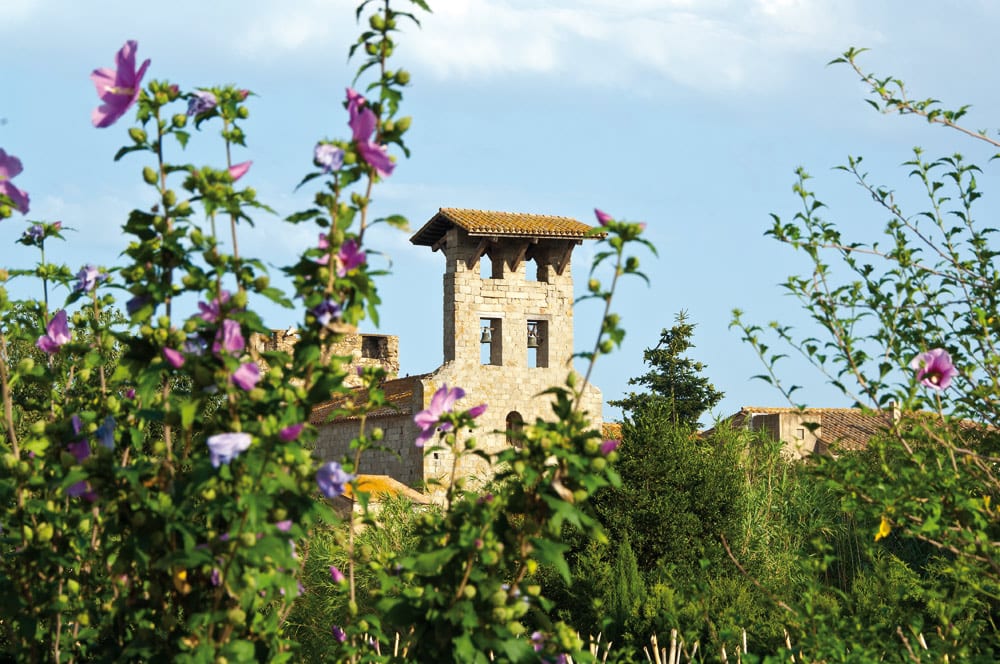
Mollet de Peralada If you’re an eye-catcher – no matter how small the place may be, its church tower already protrudes between the rolling hills of the Pyrenees, if you’re still on the road, lined with extensive vineyards and fig trees, winding through the plain. There is a sleepy calm over the 180 souls village, which immediately invites you to linger in the narrow streets. The walls overgrown with ivy, from which stone lions look down, the balconies under which swallows nest, the scattered houses, colorful flower boxes hanging on their facades, and the romantic park with its Rose perennials exude a rustic charm. In Mollet de Peralada, you don’t have to share the idyll with anyone if you don’t feel like it – all the better that such a retreat Only a few kilometers not far from larger cities and the picturesque Costa Brava hides.
Rabos d’Empordà
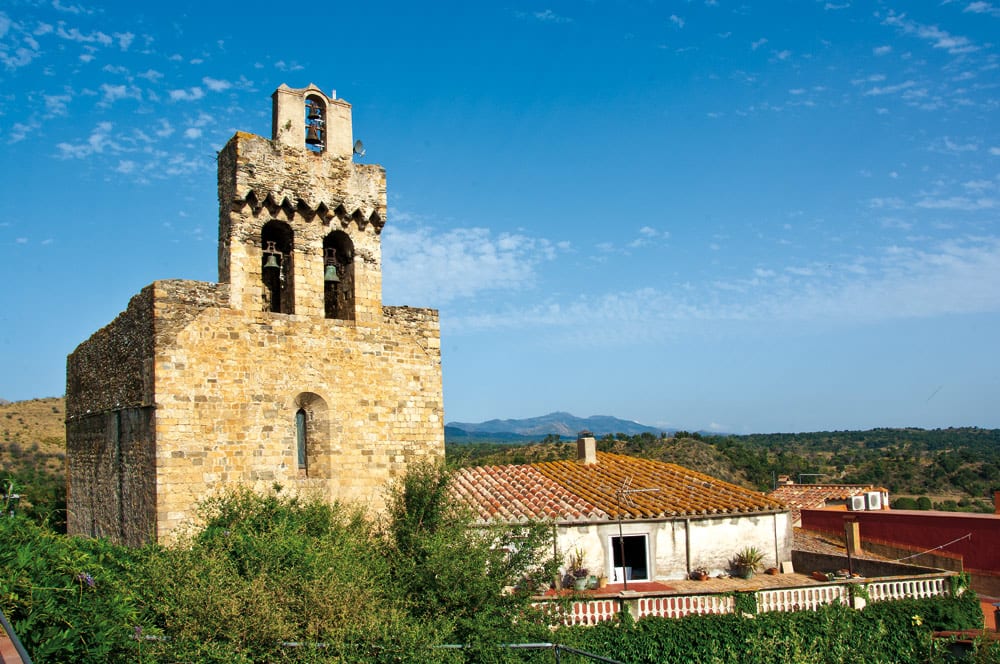
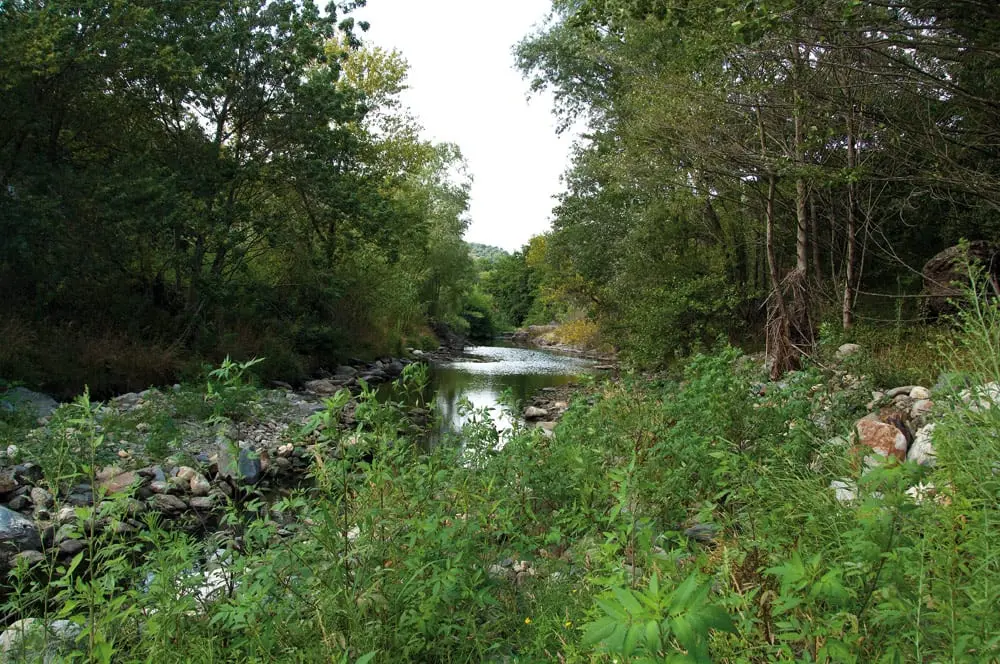
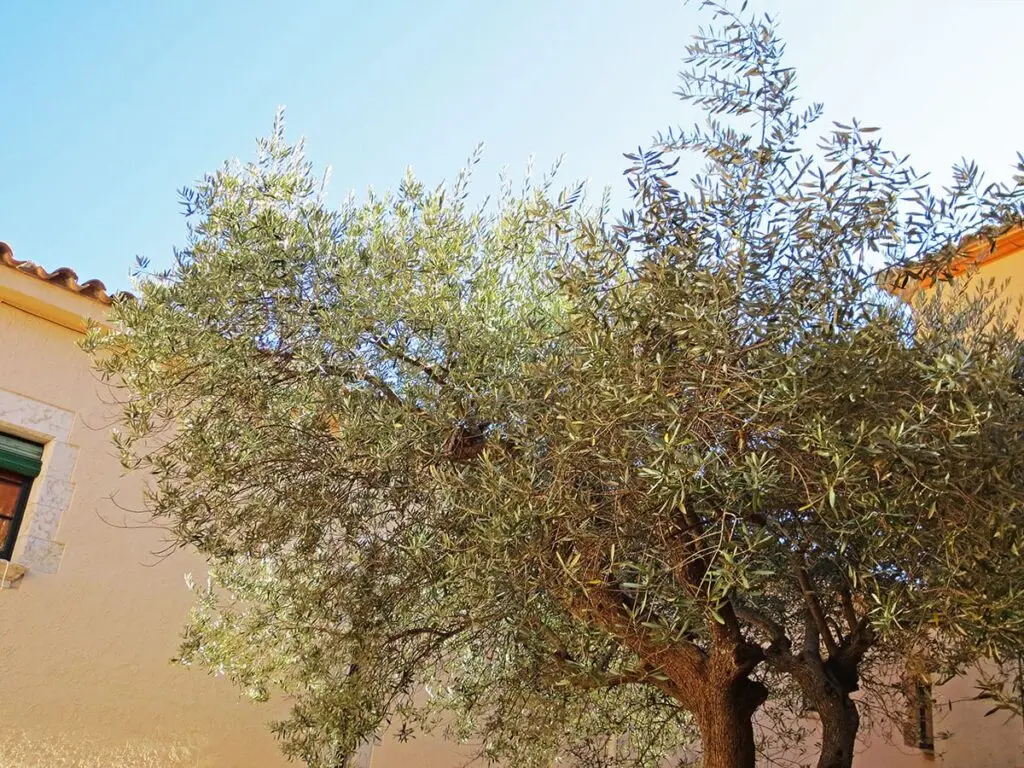
already the way to the 200 soul village Rabos d’Empordà Forces to look out the window – like a snake, the road winds past vineyards, olive plantations and cactus perennials towards the place that sticks on the slopes of the Pyrenees like a swallow’s nest.It is a idyllic spot over whom the mountains seem to watch over their children like a mother. Even the reception is imposing – rocky facades where plants climb up, flowering lemon trees and old barns have preserved the medieval charm. The spirit of bygone times moves around between the old walls. It’s the perfect place for nature loverwho will escape the chaos of the big city and still do not want to settle in too far away from civilization. Visit to the lovely guest houses, the restaurant offers a cozy atmosphere and the next larger towns, as well as the spectacular coastal landscape a stone’s throw away. A special eye-catcher of Rabós is also the small river coursethwarting the rocky valley.
pau

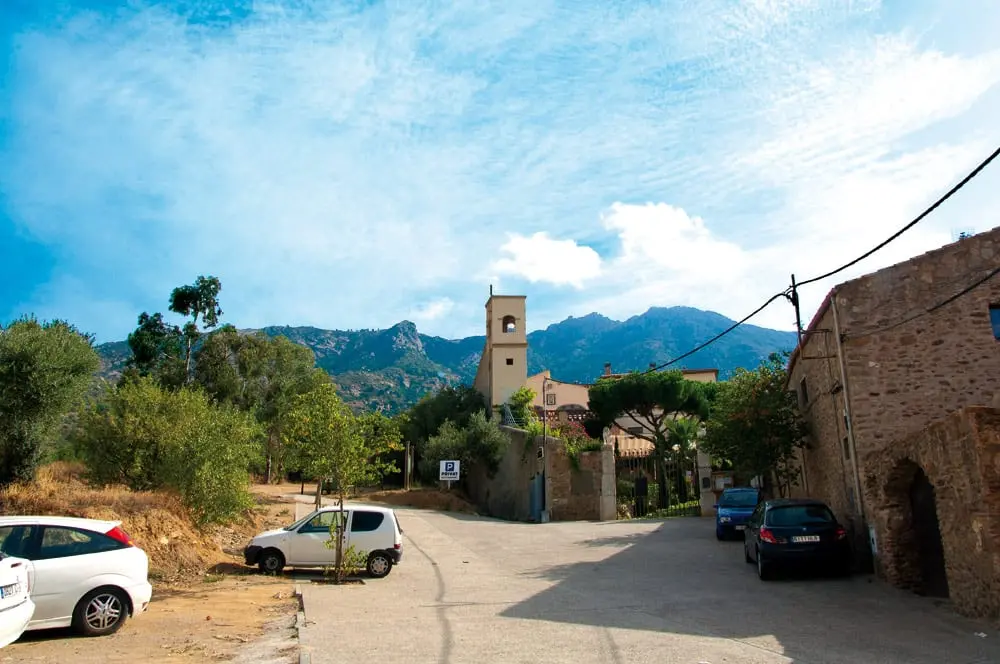
pau awakens romantic feelings – that 570 inhabitants Nest, which nestles against the wooded hills of the Pyrenees, cannot avoid its nostalgic character, which is conveyed by the beautiful, stone village church and the old handicraft houses on the side of the road. Palms and Oleander Hem the path through the village, geraniums bloom between bricks, the entrances to the houses are decorated with planted baskets.It is a retreat, where you can enjoy the silence in charming cafés and restaurants, so that you don’t want to leave at all in the end. You don’t have to – despite its manageability, there is nothing missing in Pau. Scenic Coast Just a stone’s throw away.
Palau-Saverdera
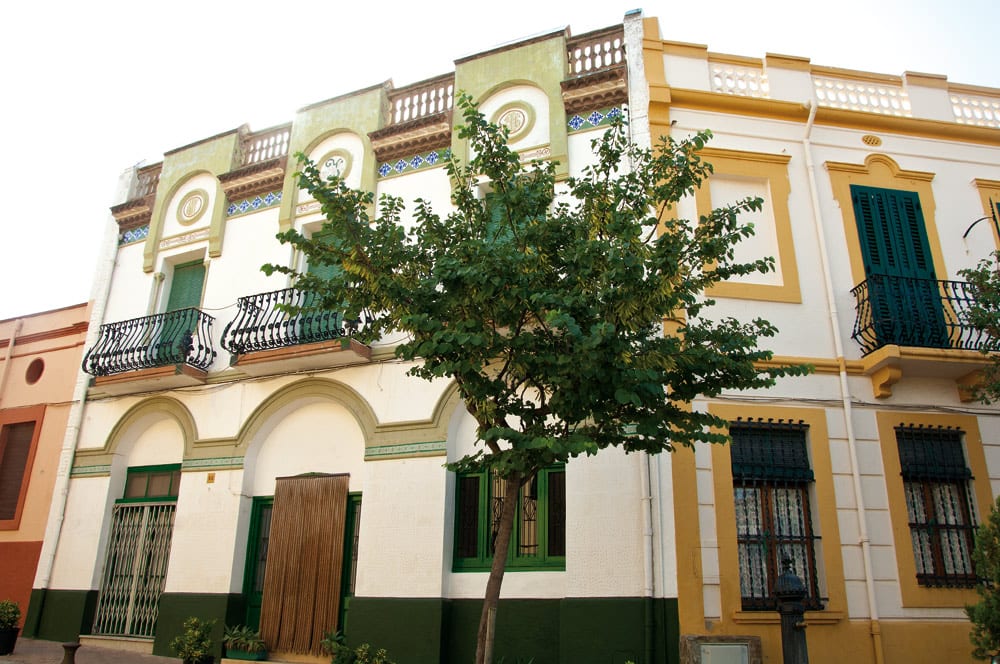
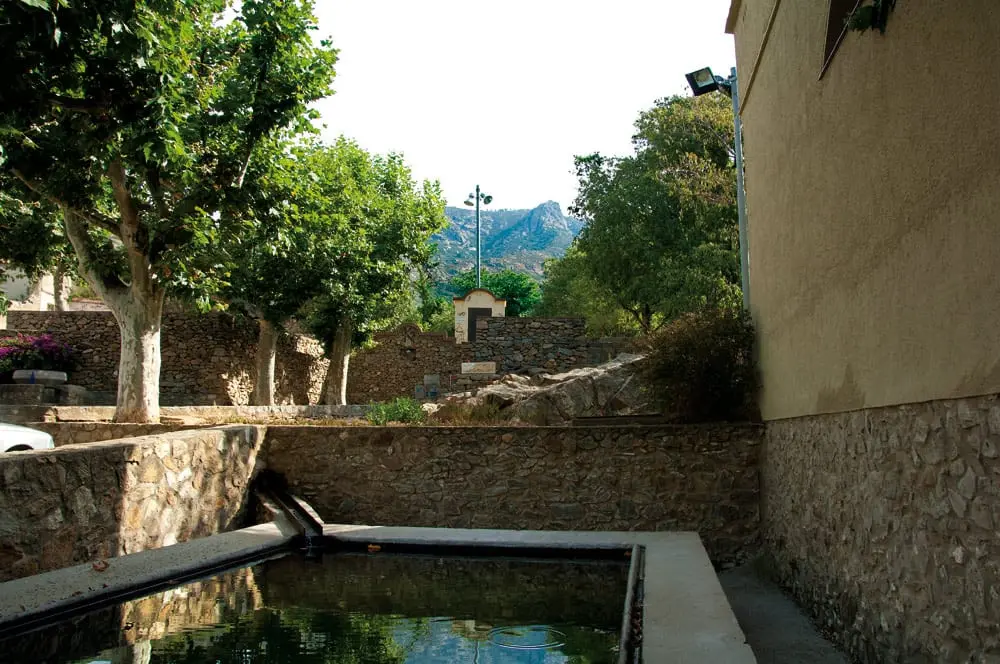
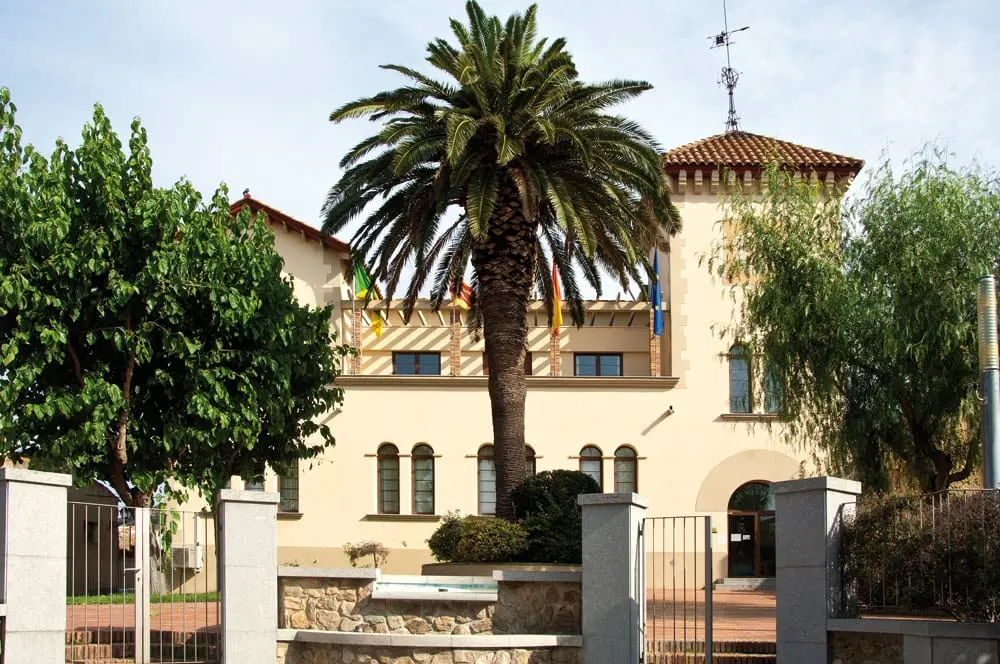
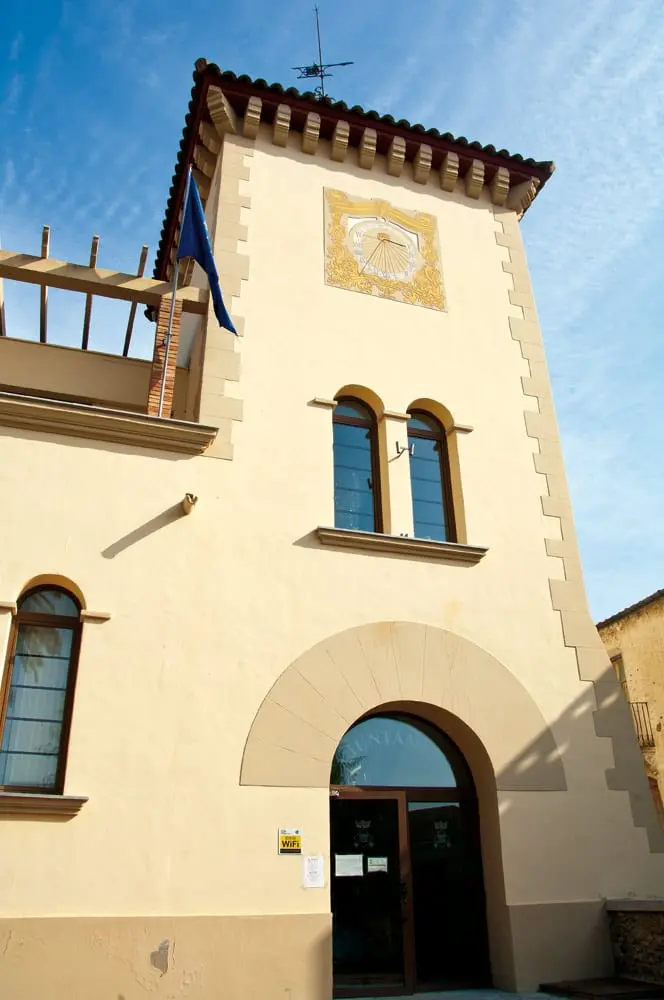
small but fine — in Palau-Saverdera, that charming place in the green mountains over which the foothills of the Pyrenees watch as mighty protectors, there is almost as much to discover as in many a city on the Costa Brava. Even at the entrance to the village you can Marvel at the olive press and the balcony of the Empordà — a monument reminiscent of the victims of the civil war. In addition, the mountain village is the proud owner of its own museum. However, the heart of Palau-Saverdera is the Source of Dalt: A drinking water Fontaine, which gives residents and visitors crystal-clear water that is considered to be particularly healthy. The place from the period between 3000 and 4000 AD attracts not only with its cultural treasures, but above all through the untroubled mountain idyll with sea views that stretches behind the houses. Blooming roses are climbed up on the cool walls of the old stone houses, from the wrought-iron balconies you can take a look at the rocky landscape in the haze. Mediterranean Sea 15 minutes away, as well as the green plain of the Empordà — framed by the silhouette of the Pyrenees. Delicacies of the region are served in the shady oleander gardens of the village’s restaurants.Only the monumental church and the pompous town hall with fountains are set off by the simple elegance of the historic village houses and small streets. To leave the 1,500 inhabitants Place you are not forced – in addition to the school, bank, hairdresser and hotel, there is also a butcher, a pharmacy and various grocery stores in Palau-Saverdera.
espolla

The dormant village espolla Looks like a place from an old book of fairy tales – surrounded by wide fields, olive plantations and vineyards, you have the impression of going into an old fortress as soon as you pass the nestled stone houses and the fountain through the narrow streets pulls.A pleasant stillness lies above the village with its monumental church – You immediately feel safe and warmly welcomed at the same time. Flowering climbing plants adorn the house walls, the small park invites you to pause, cicadas chirp in the trees and if you long for more civilization, you can spend the evening in the café or in the local bar. There are connoisseurs in the Village wine hall to discover some treasures. Despite its manageability, the 400 Souls Nest lacks nothing – there is a shop for everyday needs, restaurants and guest houses, and the next larger towns and the picturesque beach are always within reach.
Capmany
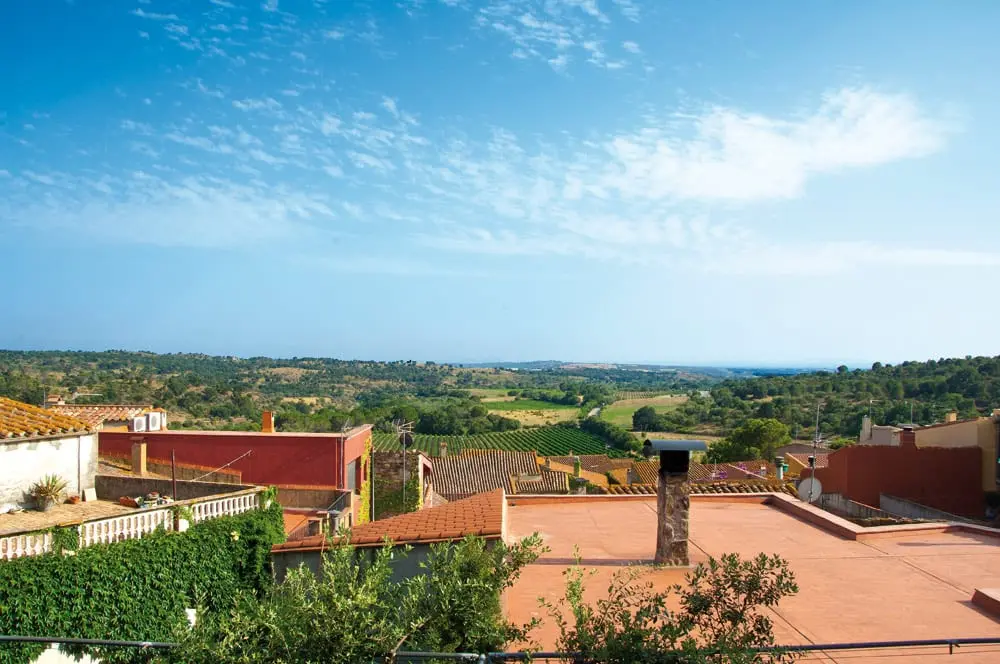
Capmany It is a great way to captivate your visitors on the way to the village with its beauty – at the latest when you go out on the road that winds through the valley on green vineyards and olive plantations, you fall for the mighty views of the mountains Final. From the entrance to the town, the view over the roofs of the scattered stone houses opens up, behind which the Silhouette of the Pyrenees signs. If you are not yet convinced that you are dealing with an extremely charming place here, you should go further into the nested alleys. Roses bloom on the side of the road, ivy climbs up on old walls, a small bridge leads over the stream, on one of the farms a rooster crows. It is this mixture of rural romance and medieval flair, which makes Capmany. With his close 620 inhabitants And several well-known bodegas such as Grup Oliveda, Arché Pagès, Pere Guardiola, Castillo de Campany and Bodegas Santamaría, every connoisseur of quiet and good wine will be happy here.
begur
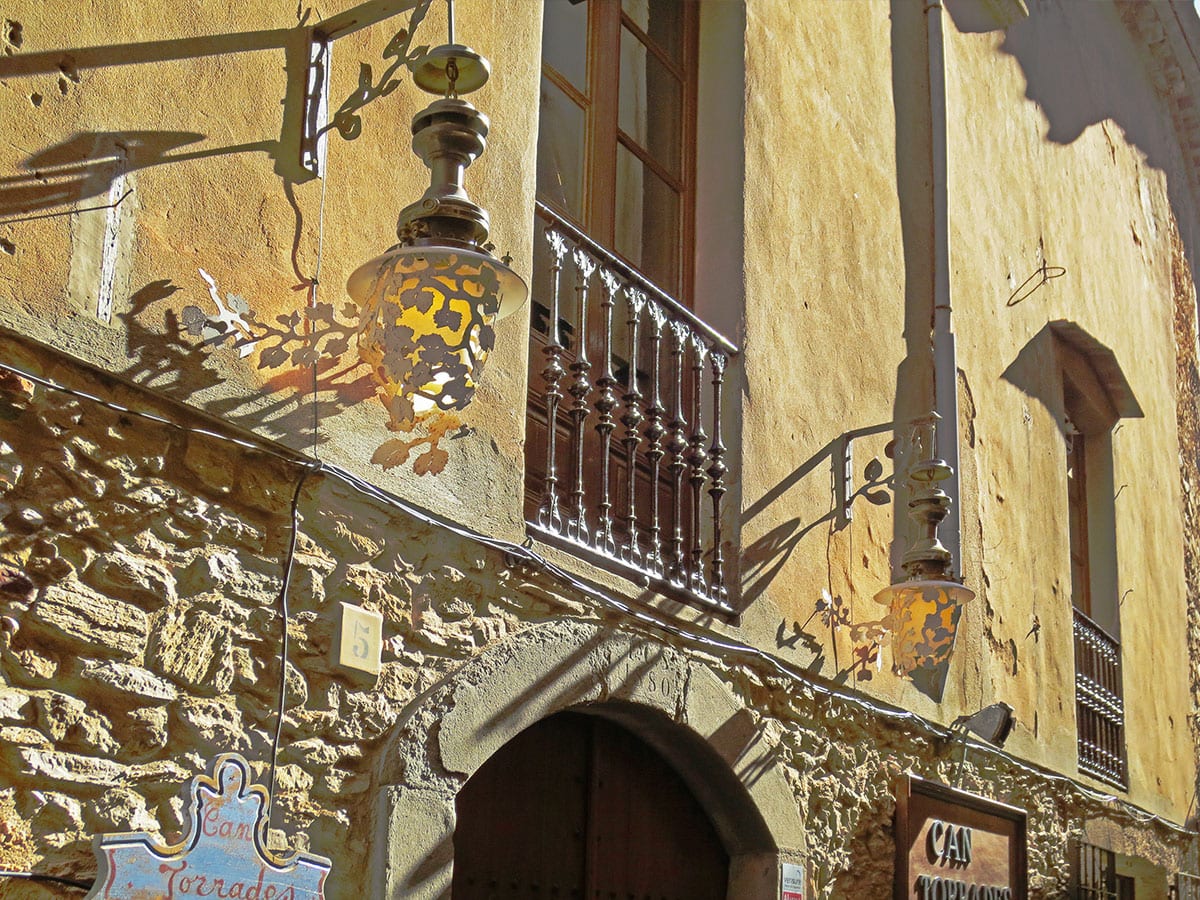
up to twelve meters high defense towers, which were once built in the Middle Ages, dominate some streets of the town center. Over the years, this has been clearly dressed up for tourism. That didn’t do the village character. Exclusive tourism is more dominant here today, the locals used to live mostly from trade in corals, and later with cork. However, after the cork industry collapsed, many locals were forced to relocate their center of life to South America. The “Indianos” came back to Spain. “Casas de Indianos” are therefore called the stately houses that were built in the Caribbean colonial style by the returnees. They still adorn the streetscape today. The Burgberg is a must when visiting Begur. Above the roofs of the city, the view to the coast is not uncommon. The municipal area is characterized by numerous hills – Massís de Begur and a long stretch of coast. a little above the Cap de Begur and Cap Sa Sal Begur, surrounded by holiday settlements, is a pretty retreat.