Looking for history…
Madrid, Barcelona, Seville or Valencia… everyone knows them and everyone wants to go. Without a doubt, the best-known Spanish metropolises all have their special charms, but when I was looking for my next travel destination, I was looking for smaller towns, cities that don’t necessarily appear on the radar immediately on the radar and are easier to overlook. by cities like Tarragona.
From Roman Tarragona

About 100 km south of Barcelona, on the Costa Daurada, the Catalan town – in a prime location – is located directly on the Mediterranean.
Tarragona impresses above all with one thing: its incredible variety of medieval and especially Roman buildings. It is not for nothing that a large part of Tarragonas was declared a UNESCO World Heritage Site. So on my first day I decided to follow in the footsteps of the Romans. If you – like me – are a little sightseeing freak, it’s best to get the cheap combination ticket in which the most important structures are included.

In the early morning – of course only after a delicious Xuixo and a cup of Café Con Leche – I walk to the first and most famous Roman monument in the city. The Amphitheater, which dates back to the 2nd century AD and is located directly on the sea outside the city walls, was the scene of countless gladiator fights in Roman times. Nowadays fights are also fought in the summer months, but of course only for tourist entertainment.
A city full of Roman history
While I enjoy the view of the higher ranks, I plan the route to the next building. I don’t have to look for a long time, because he Roman Circus, where horse and chariot races were held in the past, and the provincial forum with its vaults and pilasters are less than 5 minutes away.
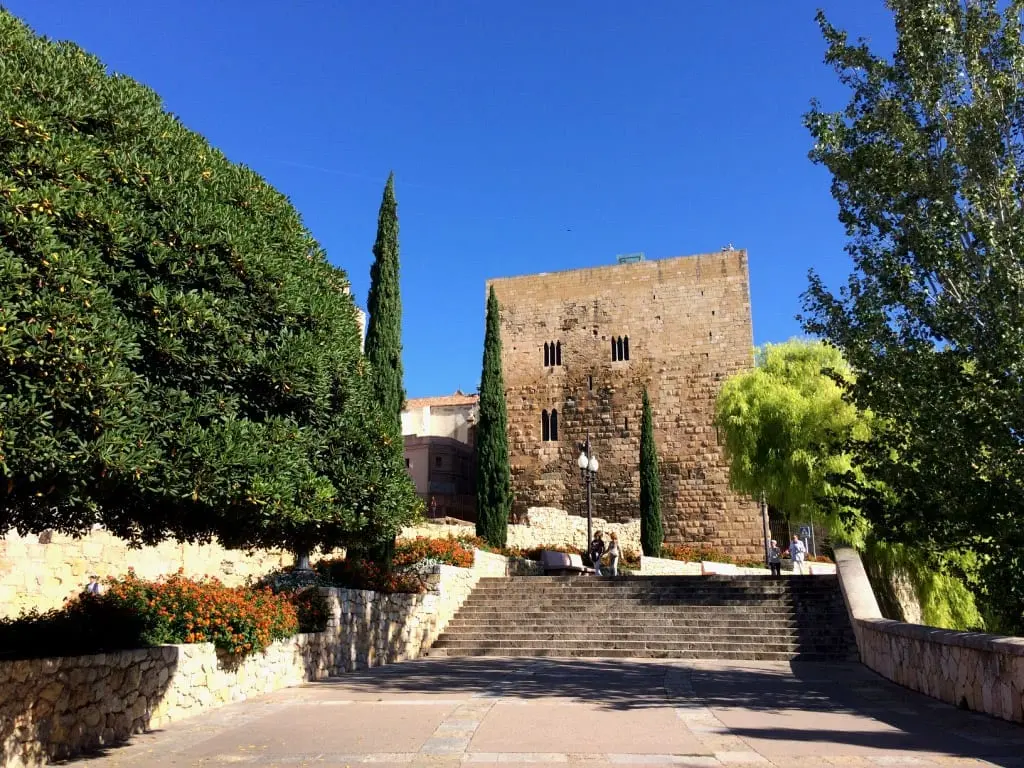
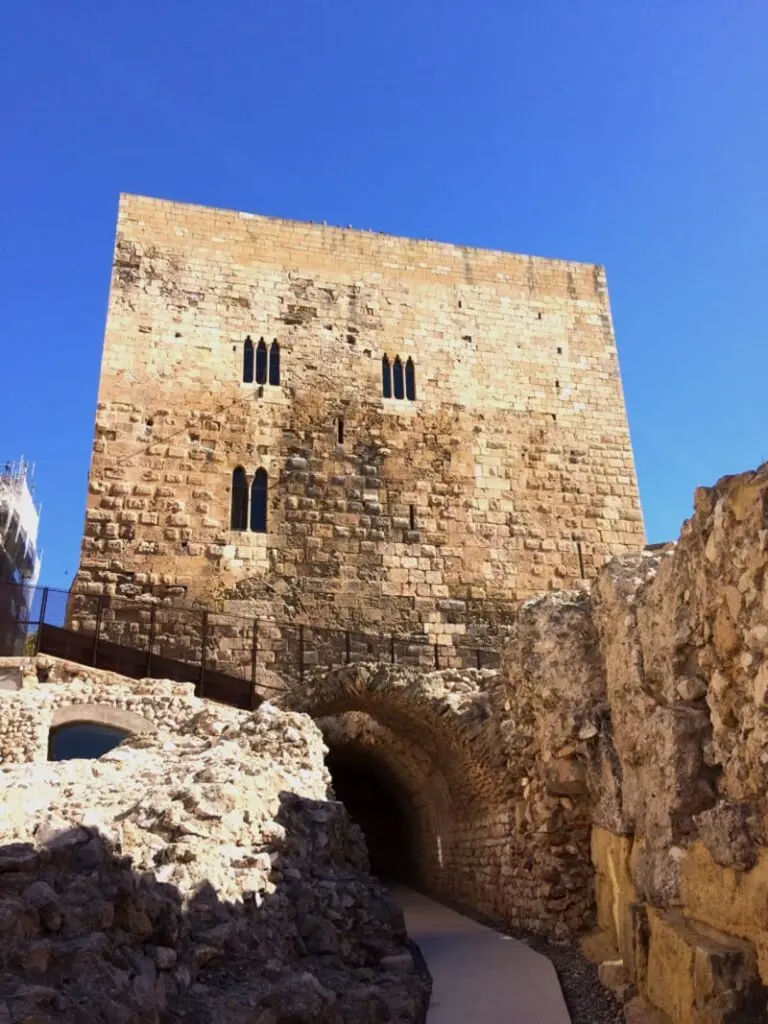
Hidden underground corridors take you from Circ Roma to the Praetorium, a Roman tower with a viewing platform.
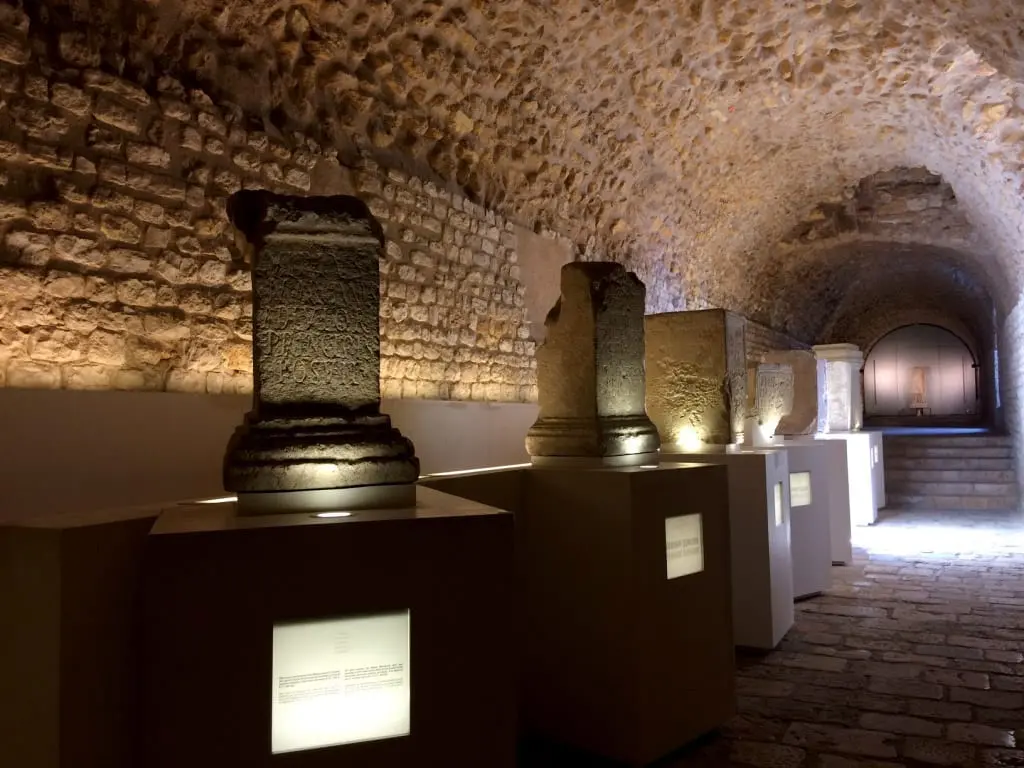
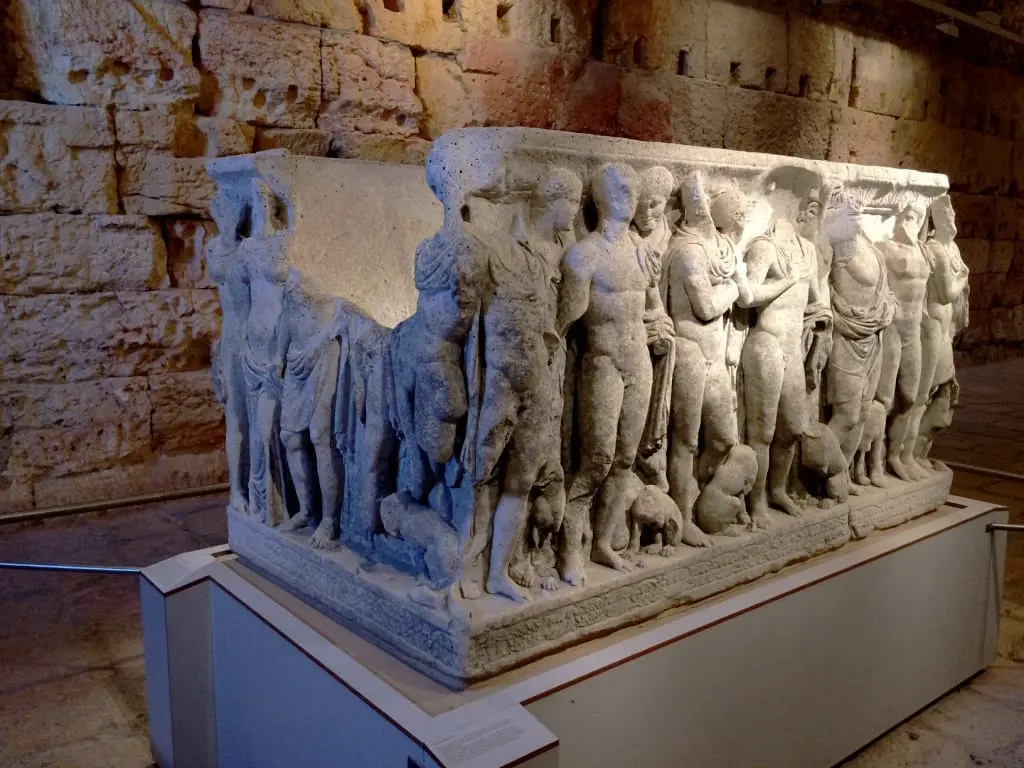
As I fight my way up the stairs, I have to stop again and again to take a closer look at the various sculptures. It’s impressive how many small details are in the works of the Romans…
High above the city’s roofs
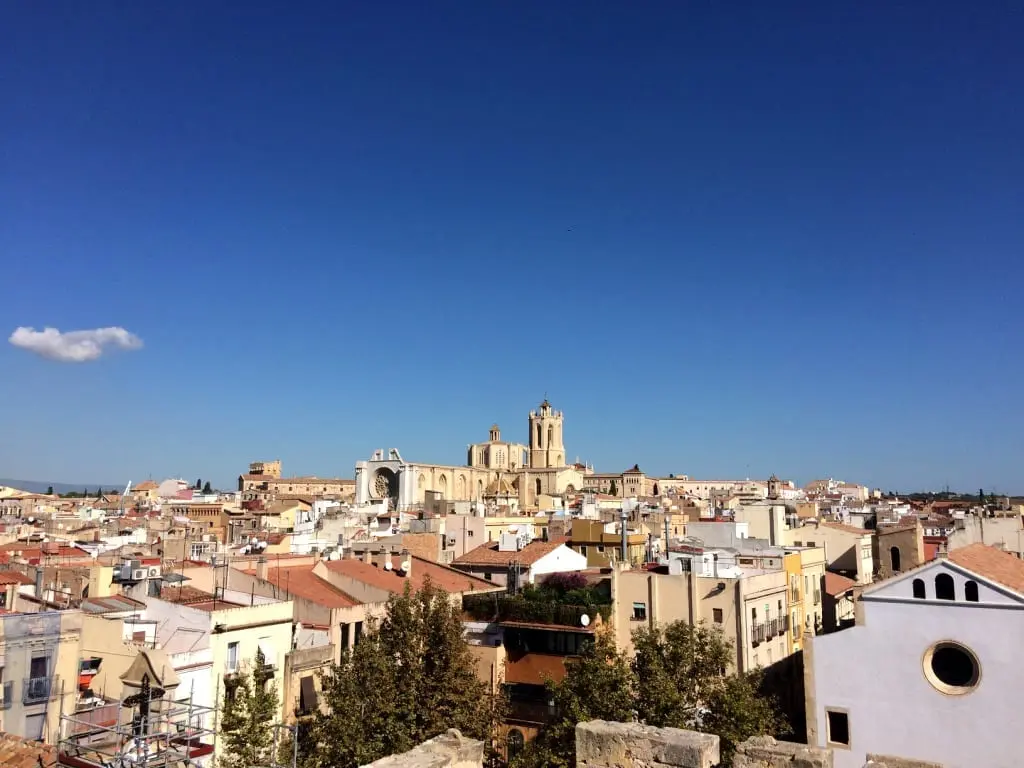
The last few (altitude) meters meander a narrow staircase to the viewing platform on the roof. The October sun is now shining a bit stronger and I use the beautiful place for a little breather. From the roof you can see not only large parts of the historic city, the endless, dark blue Mediterranean is also in my field of vision.
Between history and nature – at the Roman city wall

Let’s continue – because the next attraction is only 15 minutes away. The path leads through the beautiful, lively old town streets of Tarragona to the Roman wall. I walk relaxed between the surrounding trees and the impressively high Muralla, which has been around since the 2nd century BC. surrounds the city. With a little imagination, you can definitely get back to the time of the Romans here…
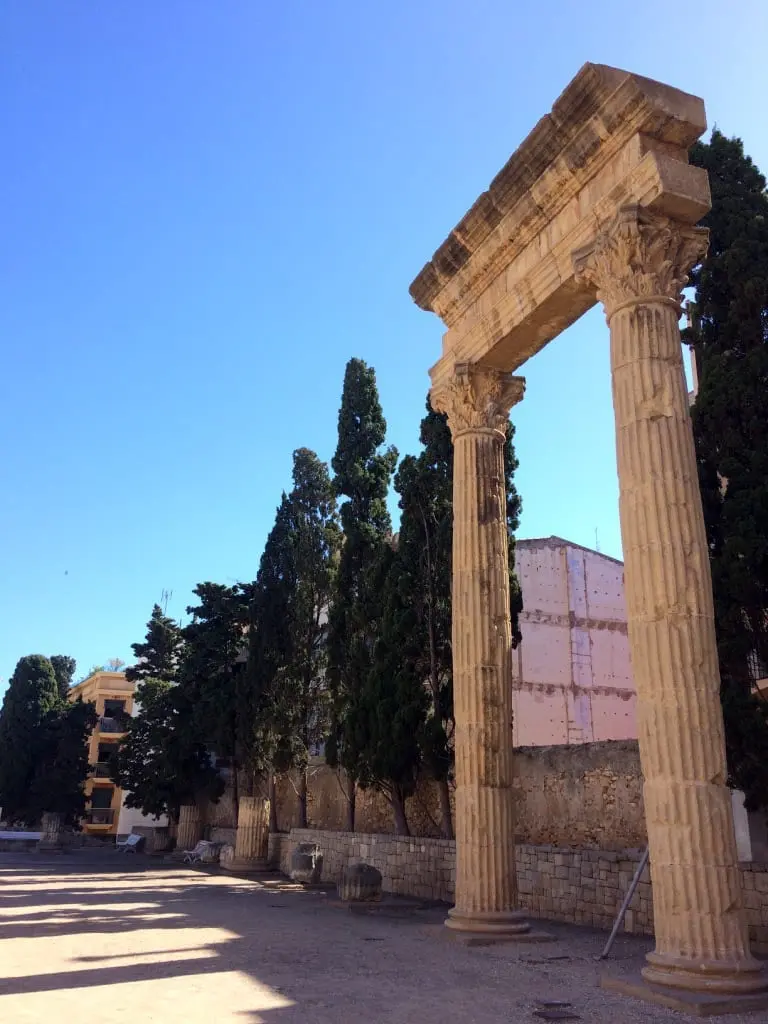
After a short break in the shade of the palm trees, I now go to the last monument, the local forum. What used to act as the city’s religious and social center seems almost a little bizarre today – including in the middle of the modern residential buildings. Without a doubt, the inhabitants of Tarragona, who live around the old remains of the Fòrum Locals, are definitely to be envied. Because who wouldn’t like to wake up with such a view in the morning?

transition to modernity
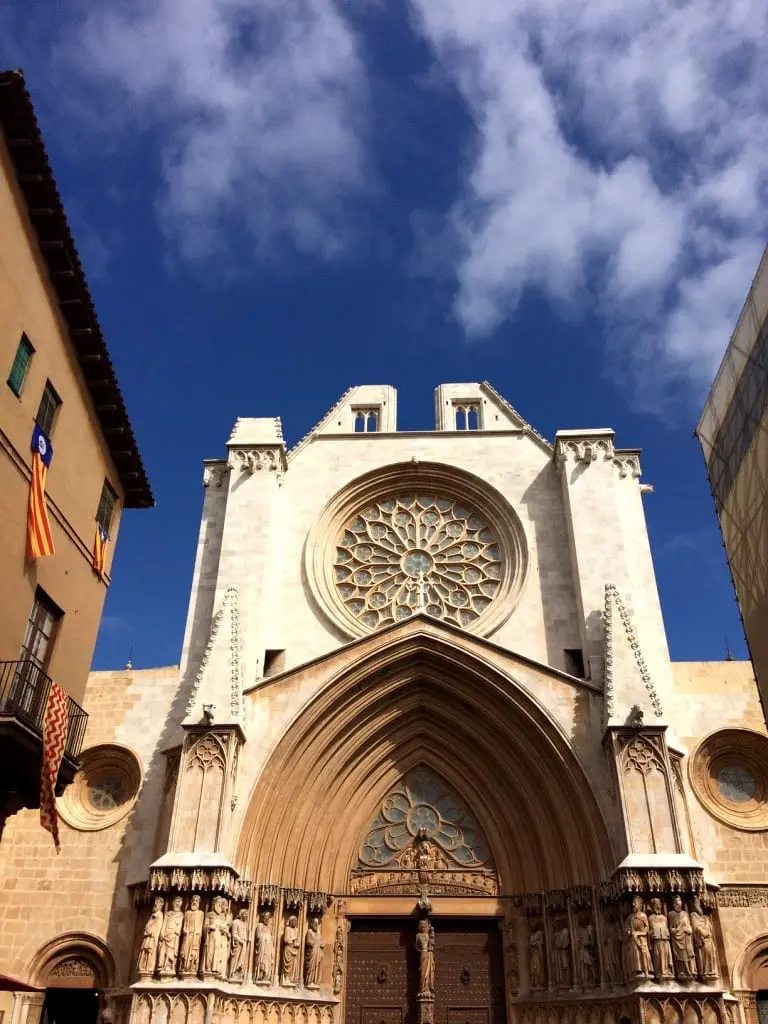
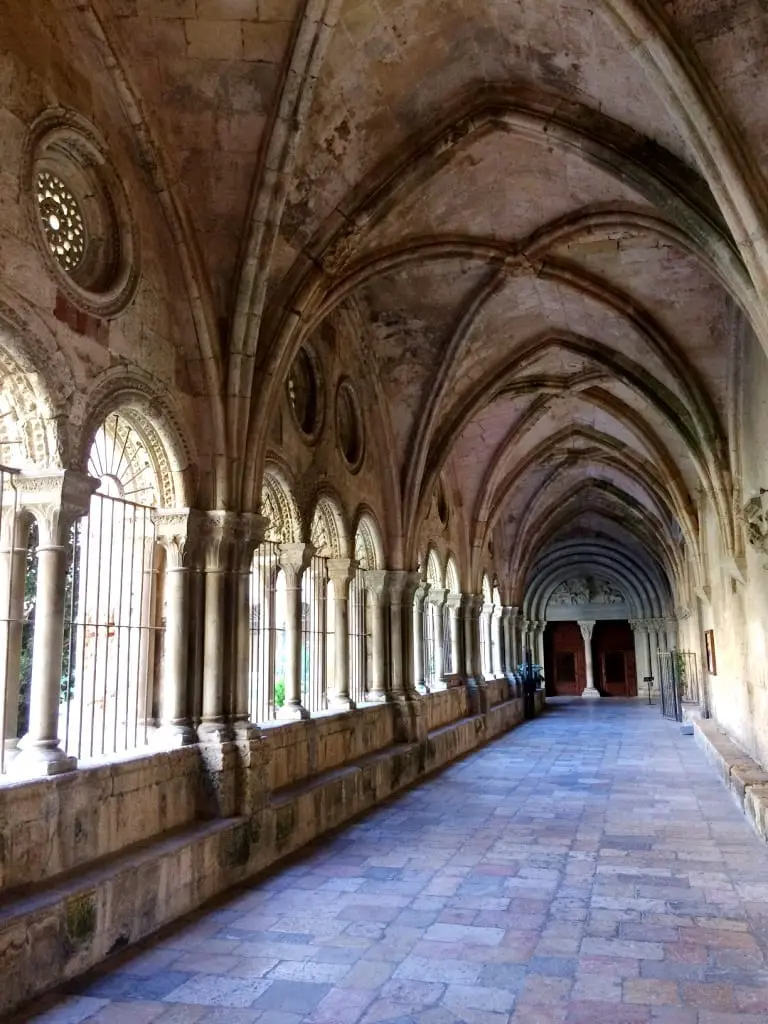
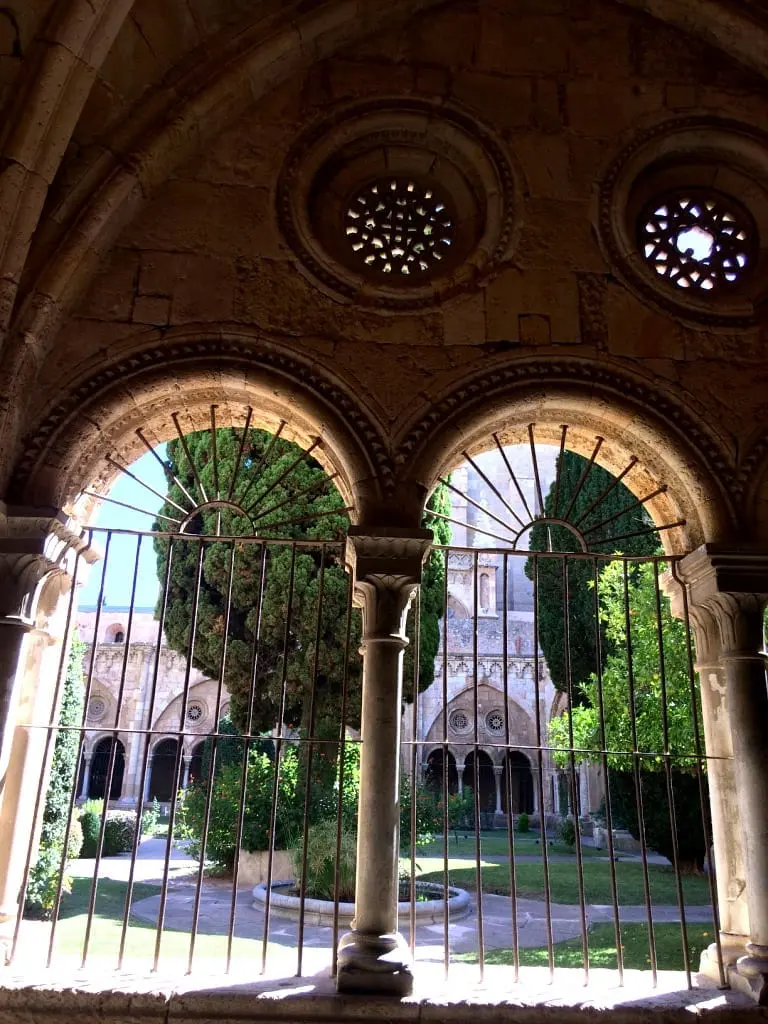
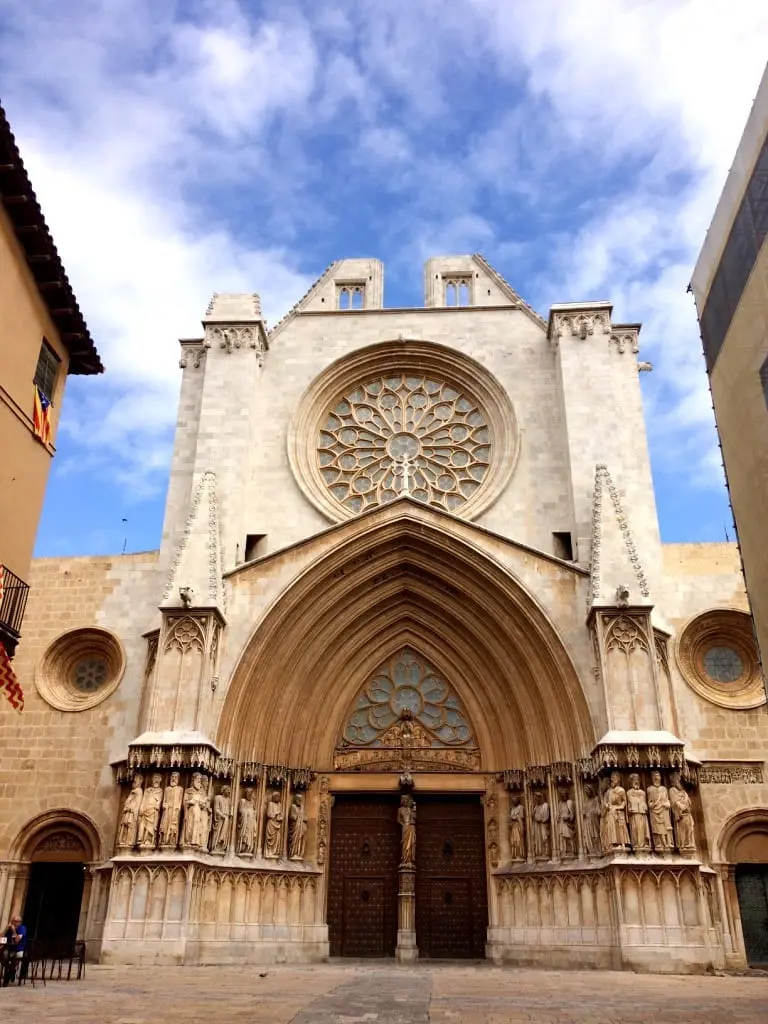
A new day, a new Café Con Leche. Today I dedicate myself to the somewhat more modern side of Tarragona. First is the old one Cathedral, whose style is described as a transition between Romanesque and Gothic, on the plan. But wait a minute, didn’t I just talk about the modern side of the city? In any case, the beautiful Catedral de Santa Maria is less old than the Roman Tarragona.
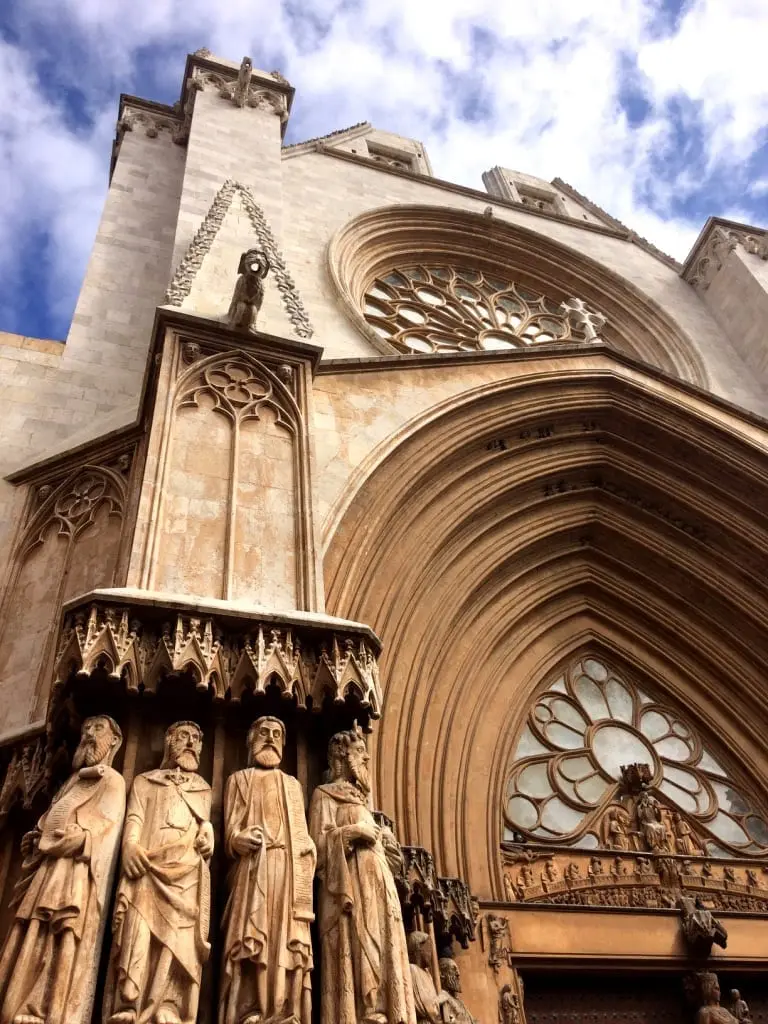

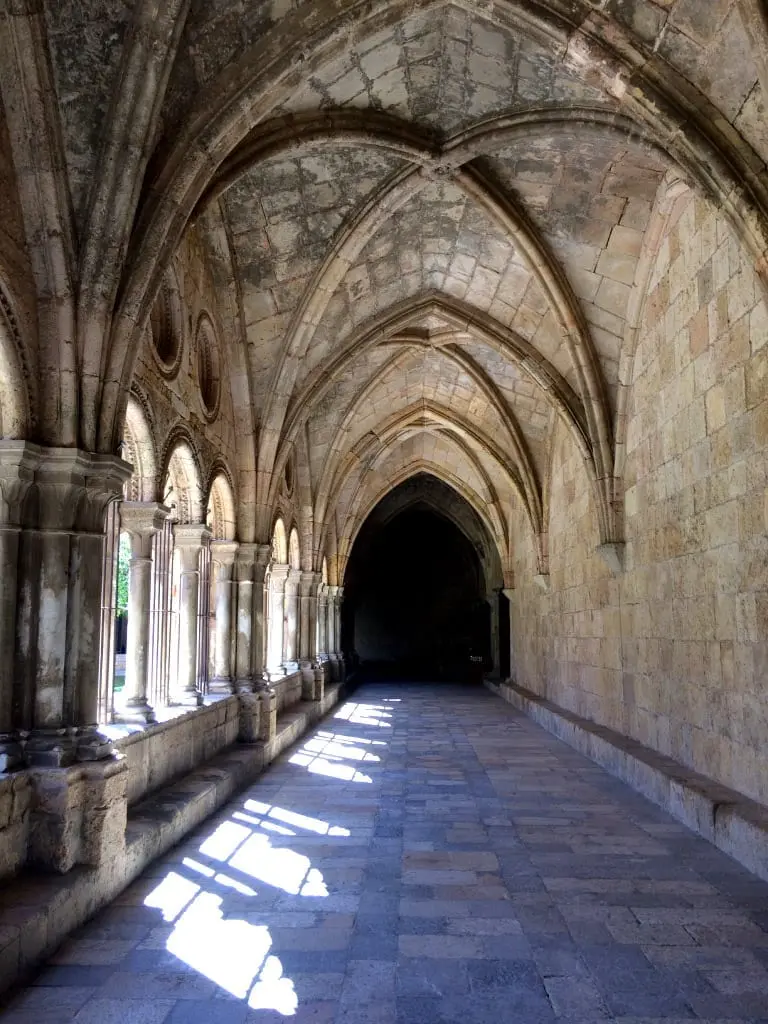
The old building already inspires me from the outside, but in my opinion the real gem is inside. Quasi, the outside hui..inside also hui! The mysteriously looking cloister with the beautifully landscaped rose garden in the middle, almost reminiscent of Hogwarts.
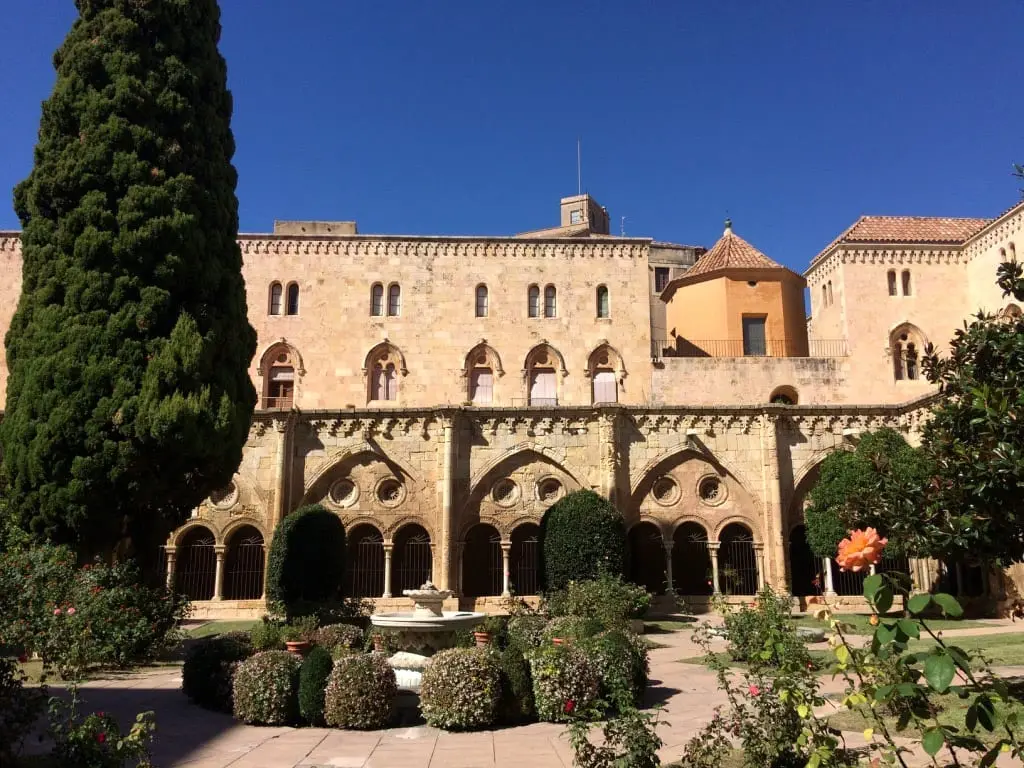

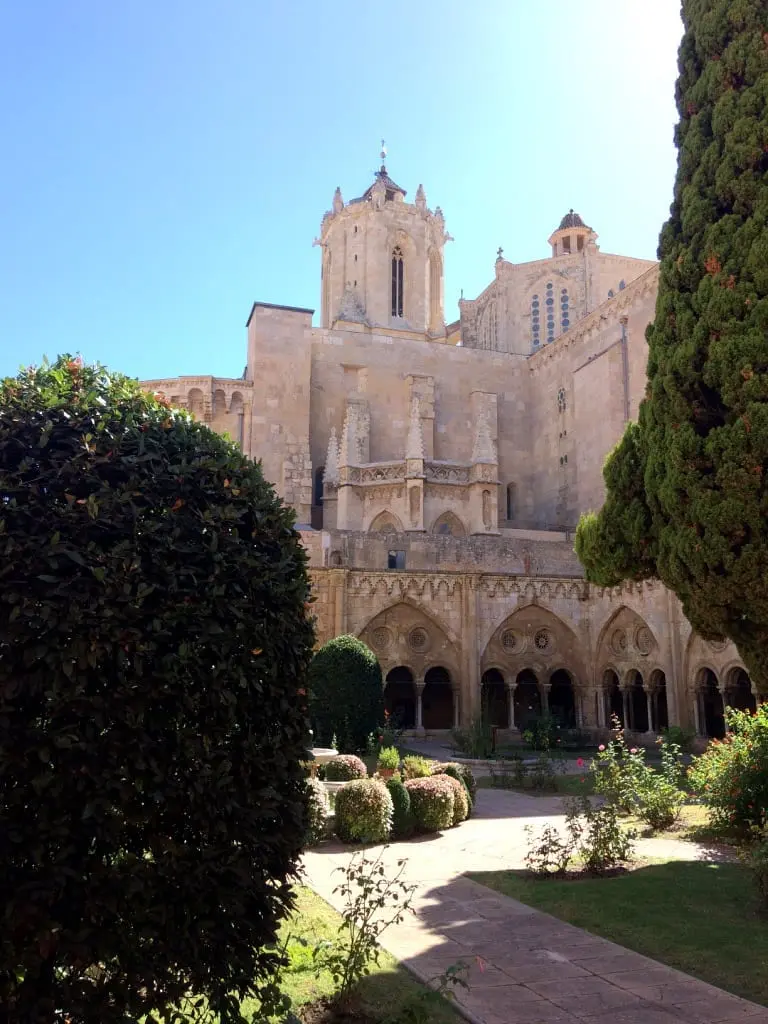
And as if the moment wasn’t already cinematic enough, mystical church singing echoes through the tour!
A walk through the modern history of Tarragonas

I continue to the Great Plaça Imperial to walk from there, in the shade of the trees, along the whole Rambla. Soon, I’ll get to one of the city’s most important landmarks: the Monumento a Los Castellers. The statue with the Castellers, i.e. the traditional Catalan human pyramid, rises above my head.
Along the Rambla…
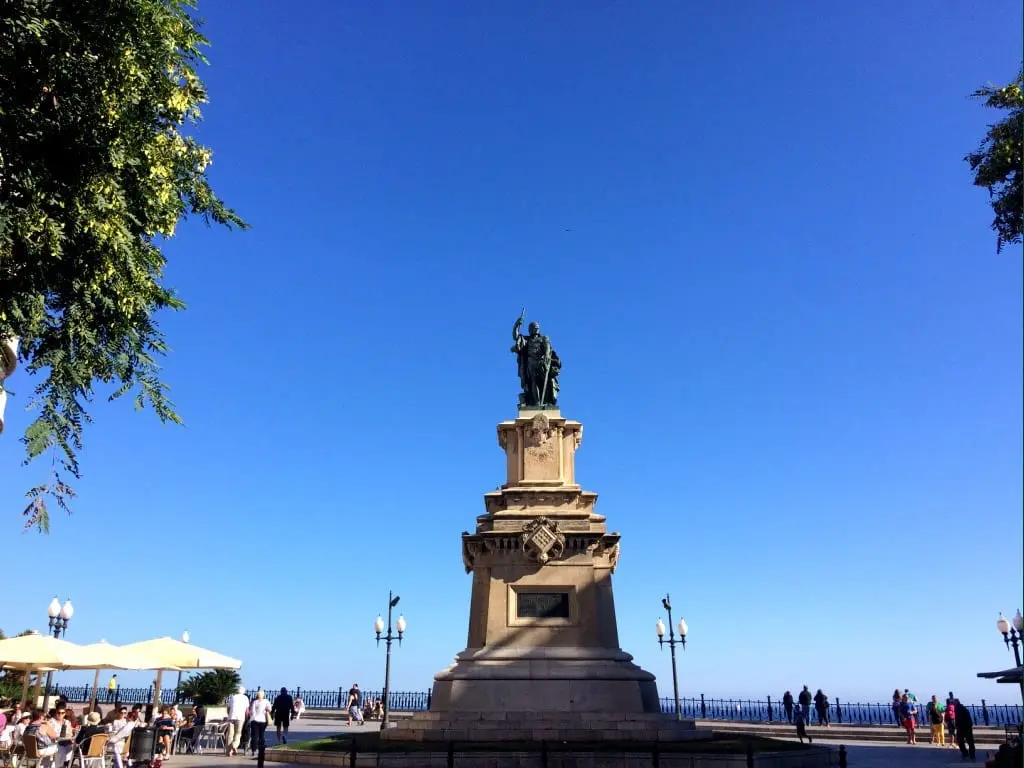
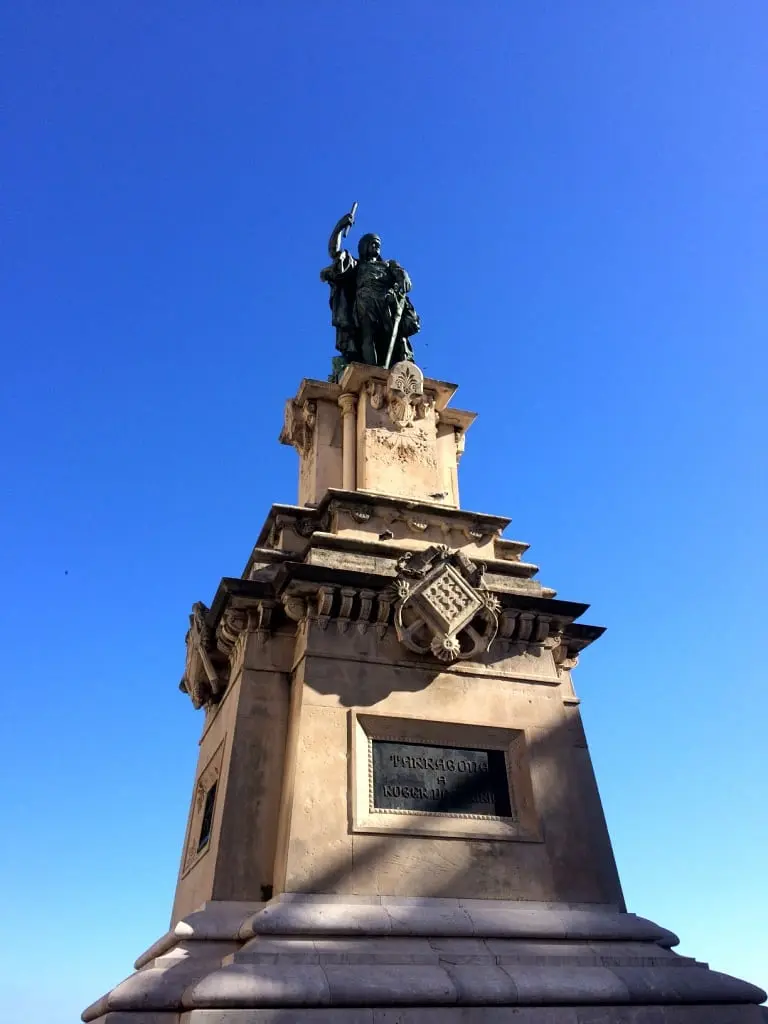
Continue past various sculptures and statues until I finally reach the Monument A Roger de Llúria at the end of the Rambla Nova. Behind it stretches one of the most beautiful places in the city: the Balcó del Mediterrani. The beautiful palm-rounded terrace overlooks the sea, the city beach and the old Roman amphitheater.

A successful conclusion in the city by the sea
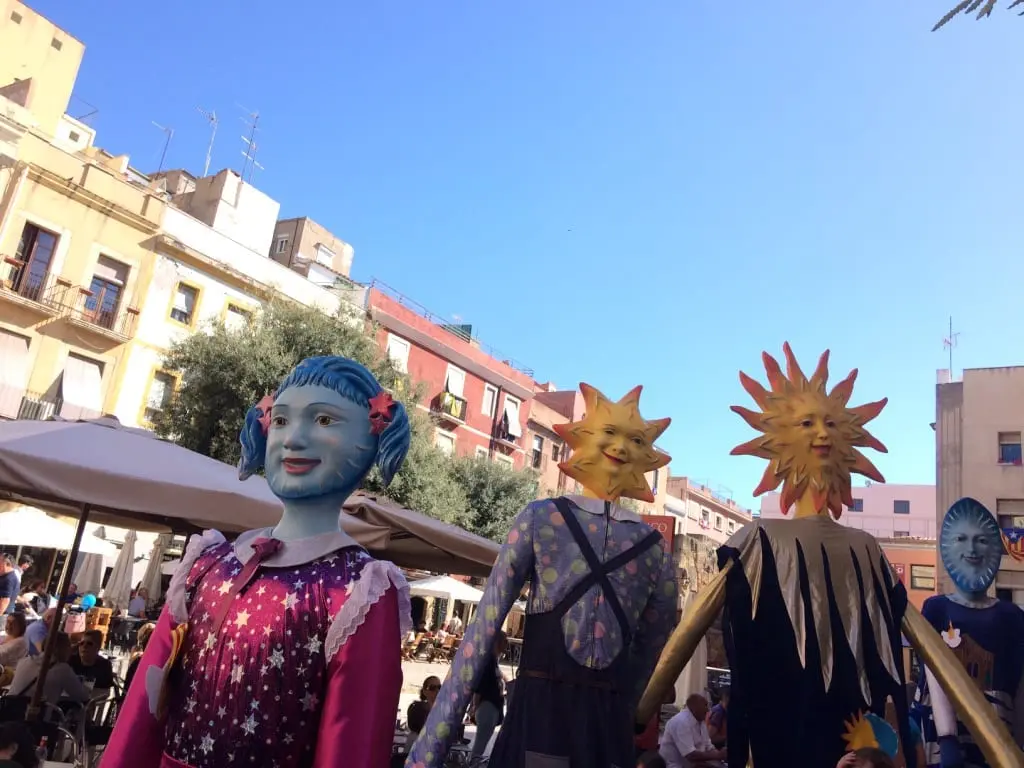
While enjoying the fresh sea air and sun, I suddenly hear Catalan folk music in the distance and I’ll already see the traditional ones giantswho dance exuberantly through the streets.
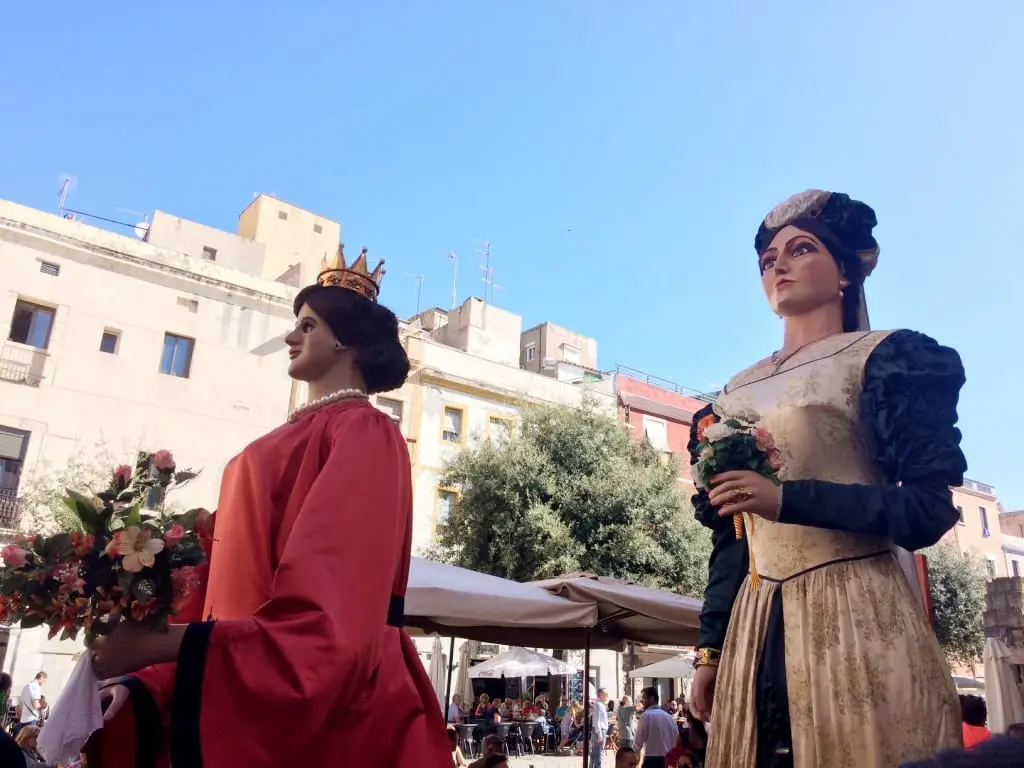
I follow the parade that takes me back to the cathedral. Much to my delight, I see the famous Castellers for the first time! What I previously looked at in the form of a statue, unmoved and made of bronze, is now being brought to life on the church square. Definitely a successful degree in one of the most beautiful cities in Catalonia!




In Roman times Tarragona was an important city of the Roman Empire, and since the year 2000 its Roman monuments have been a UNESCO World Heritage Site. The essentials about the city are set out here.
Tarragona at a glance
- World Heritage: the archaeological site of Tarraco was inscribed as a UNESCO World Heritage Site in 2000
- Roman buildings: among them the city walls, the amphitheatre and the theatre
- View: the Balcó del Mediterrani, a well-known viewpoint over the sea
- Location: on the Costa Dorada in Catalonia
Frequently asked questions about Tarragona
Since when has Tarragona been a World Heritage Site?
The archaeological site of Tarraco was designated by UNESCO in 2000.
Which Roman buildings are there in Tarragona?
The buildings that are part of the World Heritage include the city walls, the amphitheatre and the theatre.
Where is Tarragona?
On the Costa Dorada in Catalonia.
Sources: Turisme de Catalunya, Tarragona, Wikipedia, Tarraco, GetYourGuide, Balcón del Mediterráneo, Reisen nach Spanien, Tarragona.