Above and below the waves: on the boat to dive on the Costa Brava
We accompanied a group to dive at one of the most beautiful dive sites at Cap de Creus.
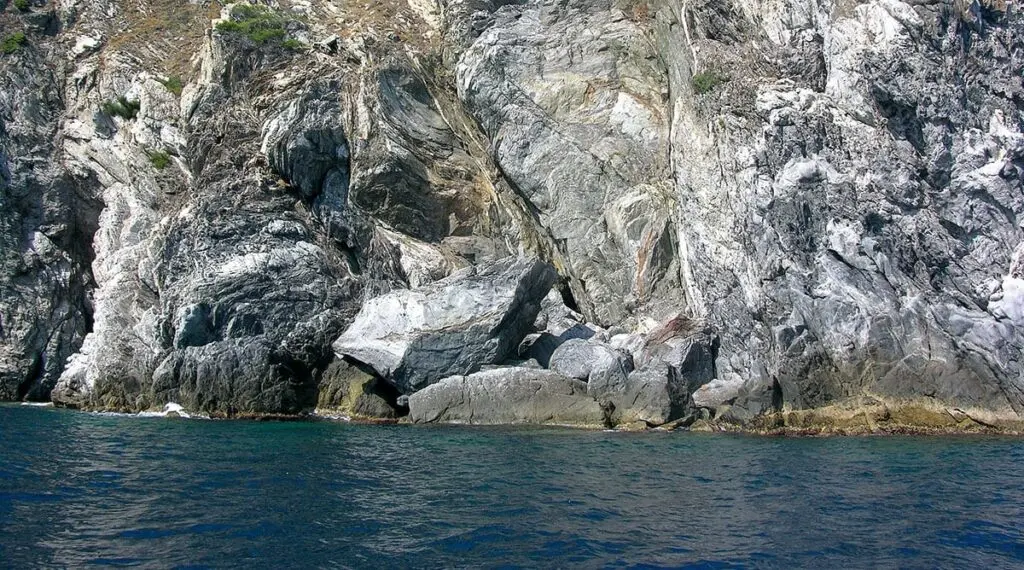
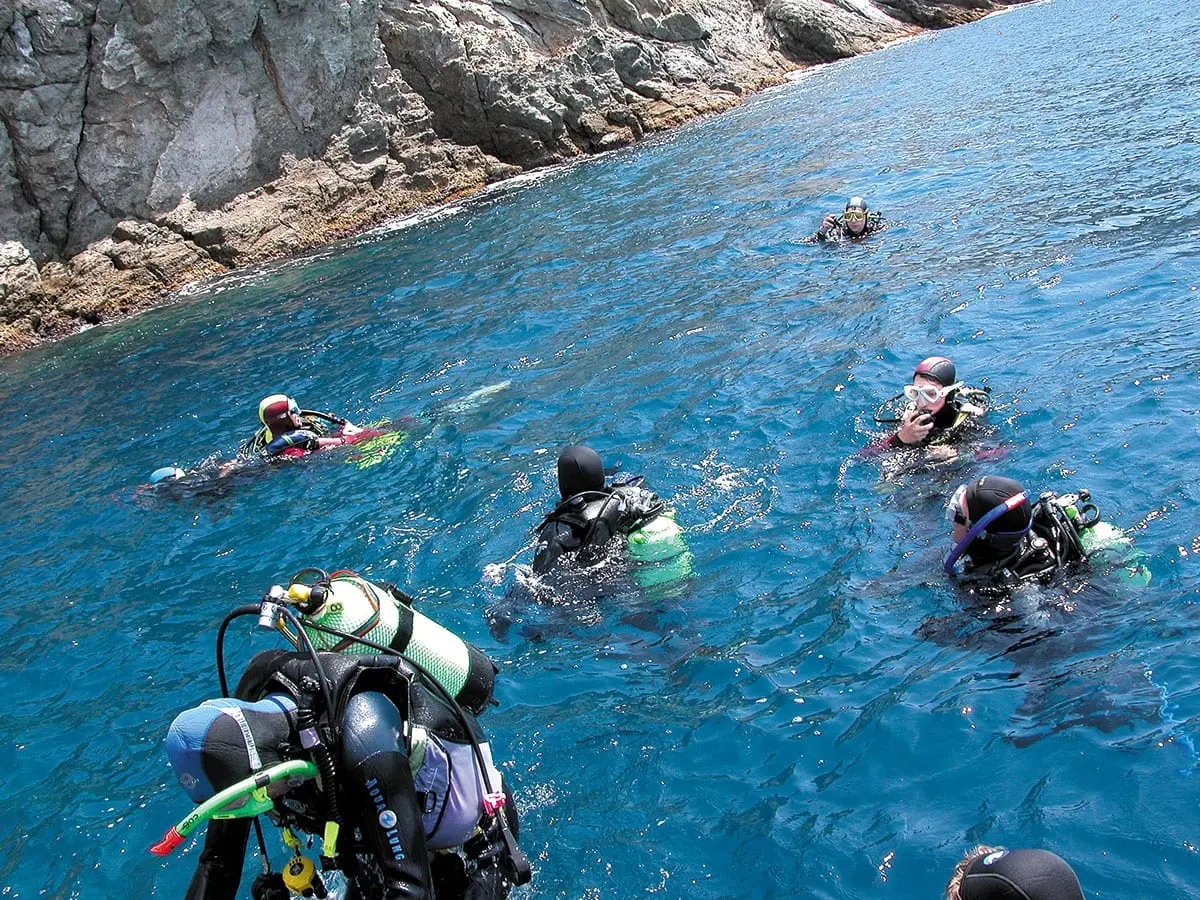
Even on the Poseidon diving base in Roses, diving instructor Bernd about the overwater world at Punta Falconera and Cap Norfeu and describes rock formations reminiscent of cats, witches and mermaids. Of course, he tells of a unique blaze of color under water. It took a while before the boat was ready to go and loaded with all the divers and dive utensils, and we had time to chat.
Diving on the Costa Brava at a glance
- Top goal: The Medes Islands at l’estartit
- Archipelago: Seven islets, around 23 hectares, in the Montgrí Nature Park, Illes Medes and Baix ter
- Underwater World: Density, bright algae forests in shallow zones, over 600 species of animals from 20 meters deep
- Caves and Tunnels: The limestone archipelago was associated with the Montgrí massif more than 10,000 years ago, so there are many caves
- wreck: Reggio Messina, the largest diving ship on the Costa Brava, intentionally sunk in 1991
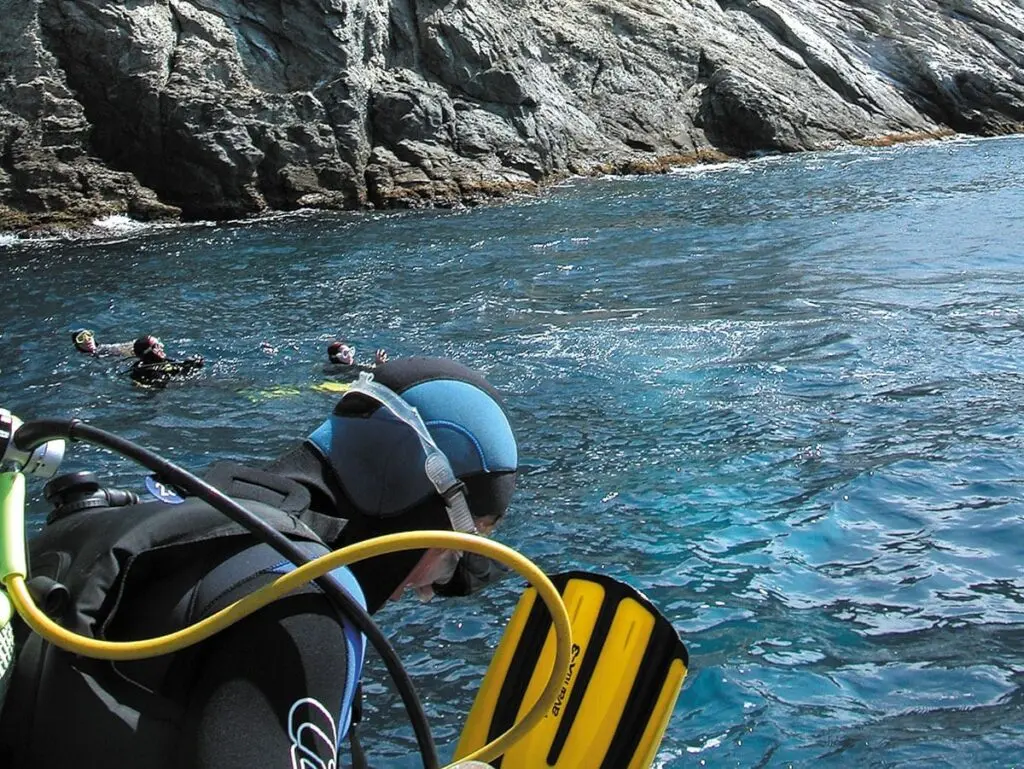
Boat trip to Punta Falconera of our current diving station
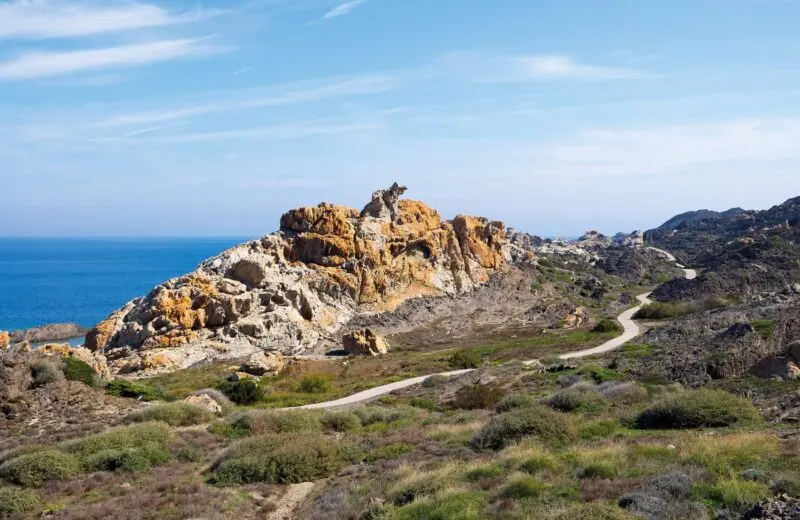
The day was ideal for a boat trip. The Tramuntana was blowing lightly. The air was swept blank. Turquoise blue and wavelessly, the Bay of Roses lay under the spring sun. We left and chugged past Roses leisurely. After a short time we reached the Punta Falconera. Here are the only buildings old bunkers made of natural stone. Years ago, the former military zone prevented the expansion of the concrete castles. The shore is now green, rocky and untouched by the sea. There are plans to set up a marine biology study zone for endangered plants and sea creatures.
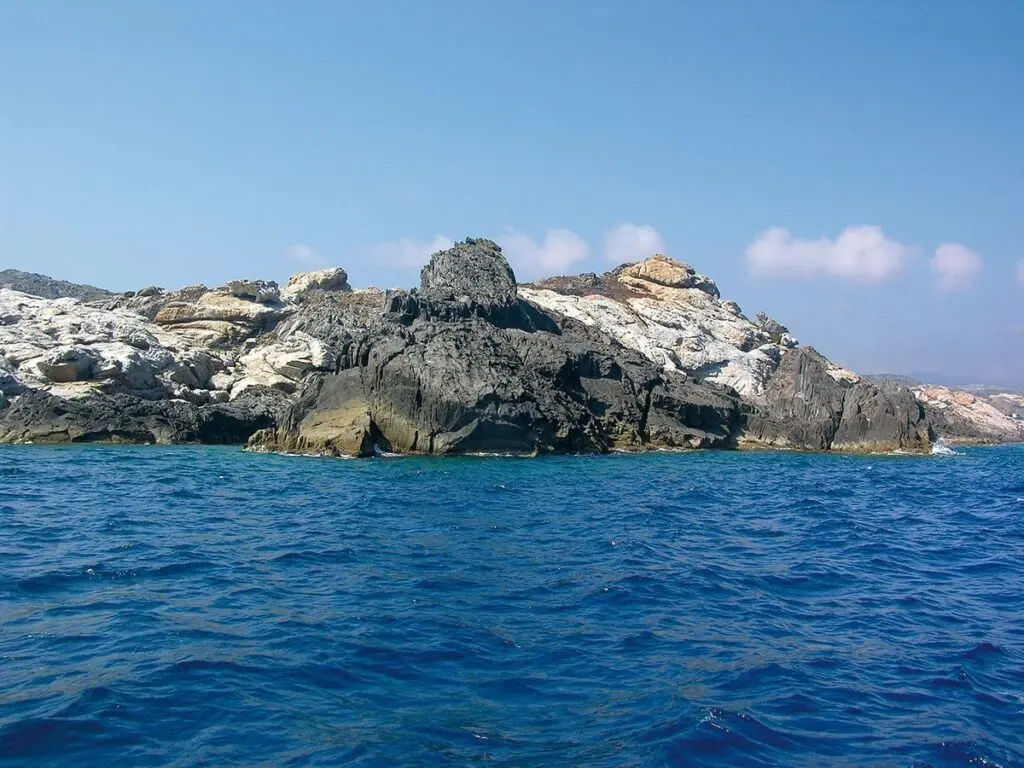
Nature conservation: gentle handling of the underwater world
A disused marble quarry passes us. Seagulls scream and we enjoy the land view from the sea. Later we moor at one of the yellow diving buoys. From our companions you will soon only see air bubbles. The sea lures blue glittering to dive. But we stay on board today, and Boris tells us more about nature conservation and the gentle handling of professional diving schools with the underwater world. The point of honor is that what is down is down, unless it’s empty coke cans or other garbage.
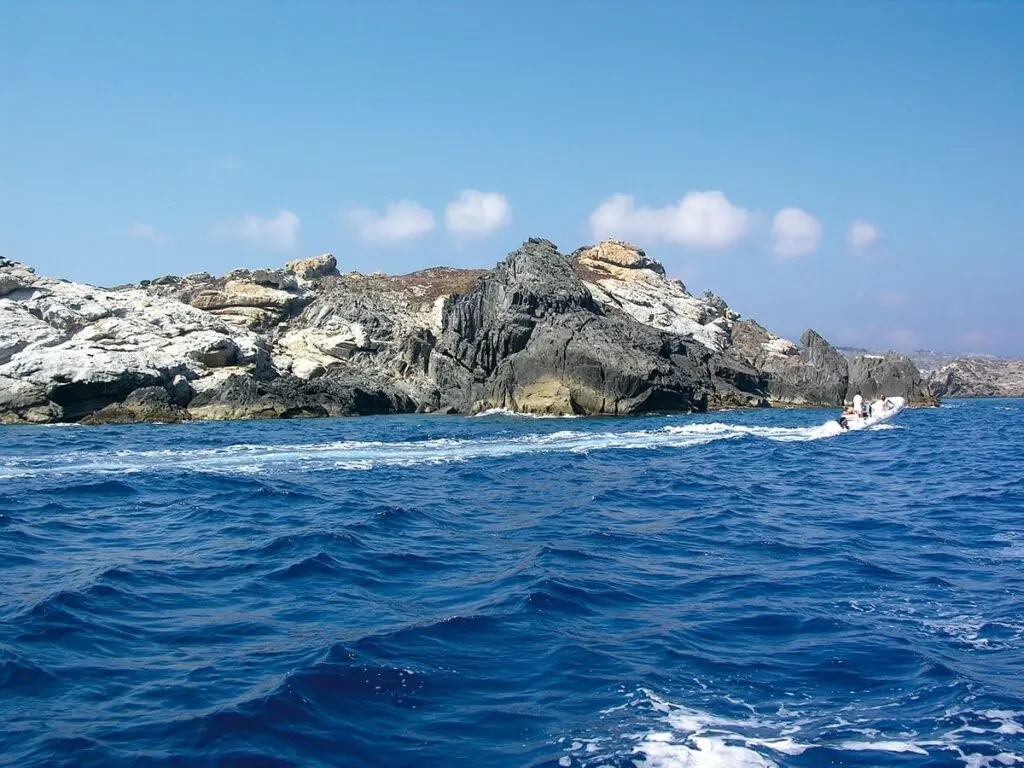
We climb into the inflatable boat and drive a little closer to the shore. Here we discover the Katzenfelsen and welcome a seagull. The boat rocks gently on the waves, and the day feels a little like vacation. The wind whispers a small cloud in stripes high up. Pine trees duck gnarly on the rock. The water cools the hand. An excursion boat swims past us and whirls up the sea. We return to the dive boat, and soon the first back from diving will rise on board.
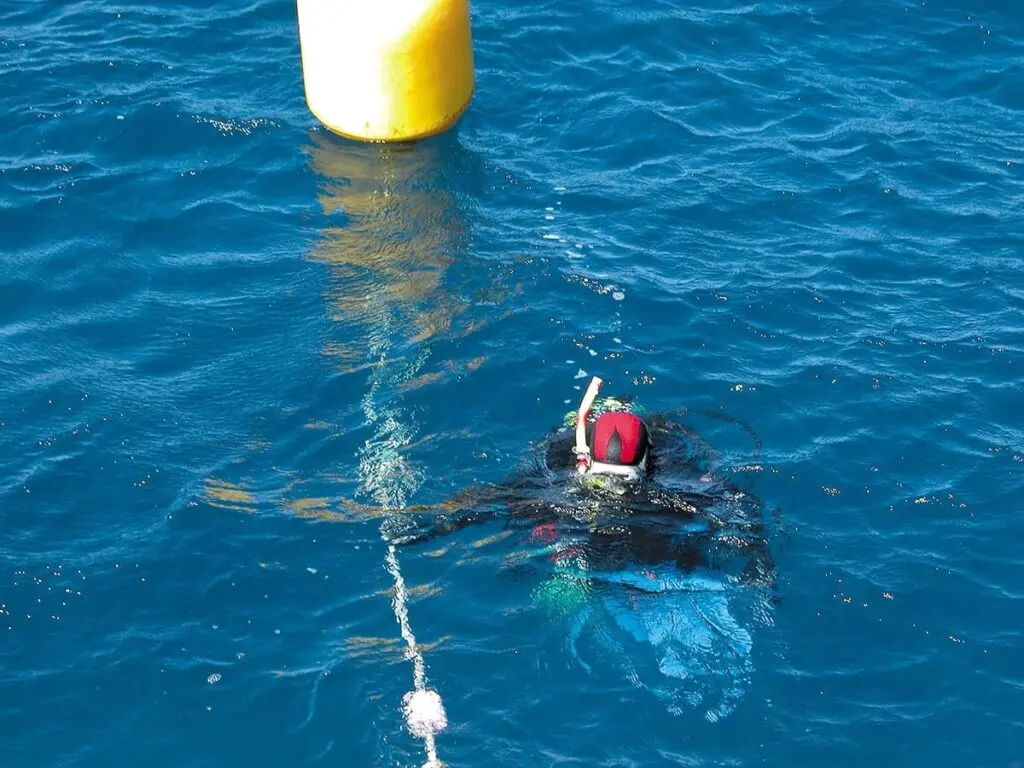
For diving at the Costa Brava
Some of the group on the boat have been diving to the Costa Brava for many years. The Poseidon diving school has existed for 35 years. In the past, people often sat with the fishermen of Roses, Boris tells us. From them, the divers learned a lot about the laws of the sea and the tides. It was also the fishermen who showed the divers the most beautiful underwater places. We often sat together with the wine, and everyone explained their world. Unfortunately, a lot of this romance and intimacy in the fight for tourism and money has fallen by the wayside today.
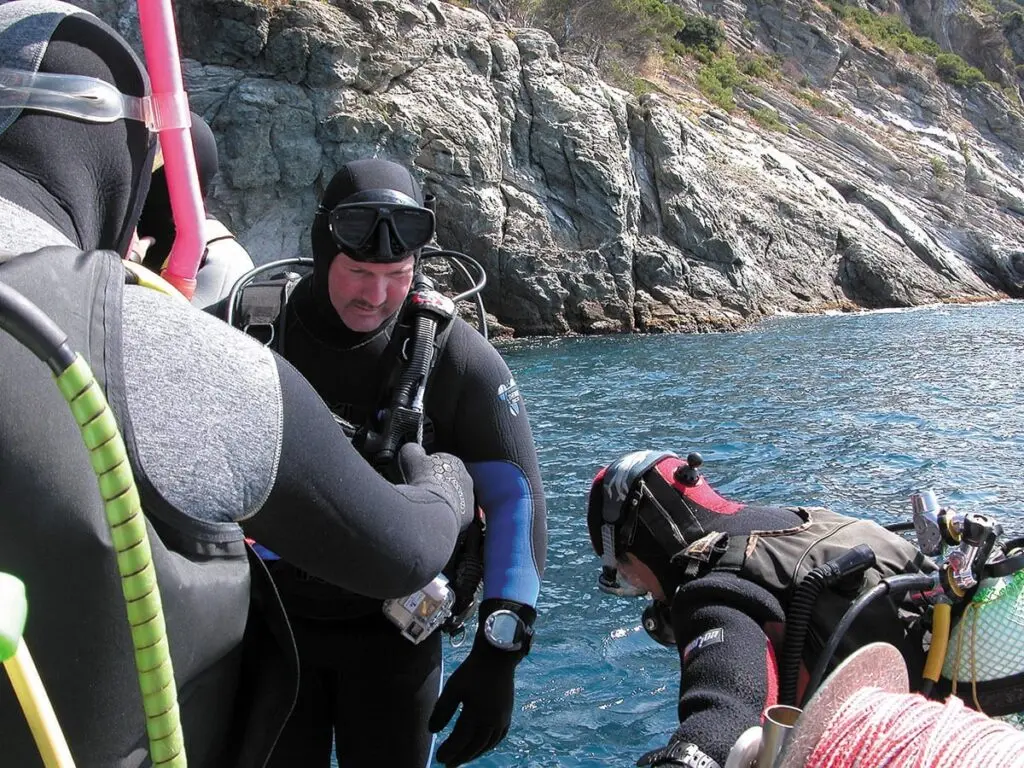
The clear water on the Costa Brava
Many divers from the very beginning always like to come back to the Costa Brava. The diving quality here is greatly appreciated. The clear water with good visibility, the variety of colors underwater and the possibilities from “flat” to “deep”, good infrastructure and training are just a few of the arguments for diving on this coast.
If you want to know more about it, the bookDiving Areas in the World, Costa Brava“ Recommended by Paul W. Munzinger.
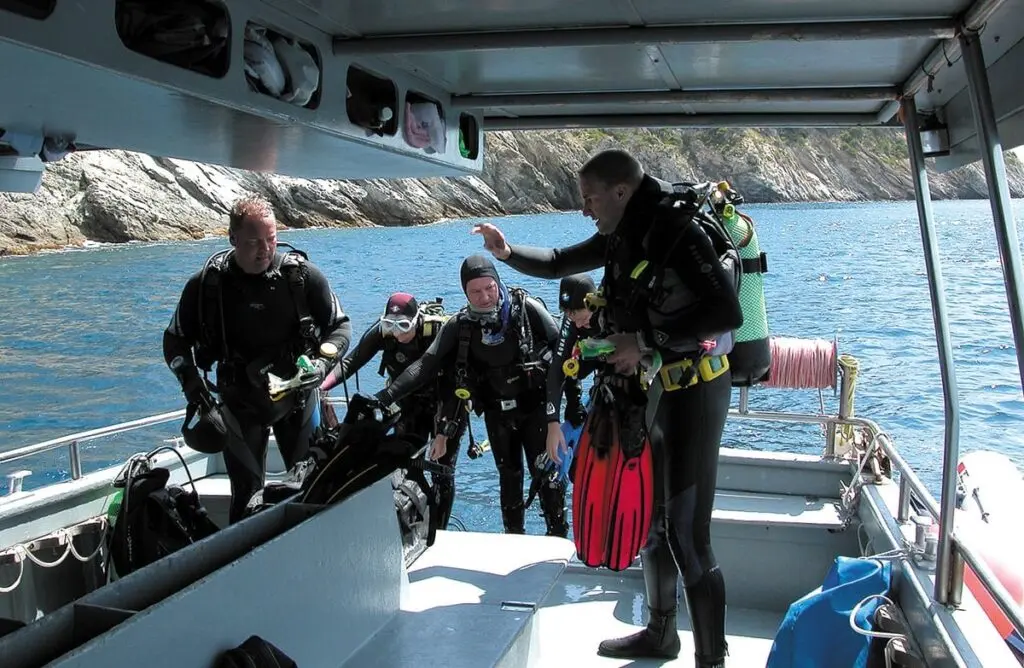
In the meantime, everyone has reappeared and underwater experiences are enthusiastically exchanged. We say goodbye to the pier of Santa Margarita and, as old landlubbers, decide to look at the whole area from the shore as old landlubbers. We are strengthening ourselves in Roses with a Café Con Leche. Then we drive in the direction of Cala Montjoi and El Buli up the mountain on the right.

The 10 best dive sites in the Costa Brava on the Golf de Roses
- 1. Falconera West: Hang with reefs, 3-24m
- 2. Falconera East: steep wall, chimney, cannon; Gorgonian walls with shark eggs, swarmfish steep wall and reefs for experienced divers. West side with flat area – good for beginners.
- 2. Construction De Cap Trencat: Variable reef: Huge dive site with many jagged reefs, caves & crevices – north side: flat area with swarms of fish. East side: Reef hem with crayfish and corals. South side: Huge Gorgonian reefs, large fish. west side: slope with tubeworms
- 3. Cala Rustella: Flat area: diving area for relaxing, seagrass meadows with pickles, sea cucumbers. South side: scree field with Seehsen, snails. North side: Wreck cement freighter “Matuka”
- 4. Construction Del Ferera: Reef for Orientation. Way 1: Easy to dive – just one round. Way 2: Orientation Diving to the Wreck
- 5. Punt de la Trayer: Moonfish Reef – to be found in May-July. Southeast tour: at the end of a hillside. Southwest Tour: Flat Area of the Sea Cave
- 6. Punt de la Creu: One of the most beautiful Gorgonian reefs on the Costa Brava. Main reef 24-48m with huge gorgonian fan, fields with crusty anemones, tube worms, swarms of fairy perch, crayfish, lobster, flat area: moray eels, conger
- 7. El Gato: Grouper Reef: Thanks to the nature park, there is again! Huge grouper. South: Gorgonian partial walls, swarms of large fish, zackis, forked cod. North: steep walls, noble corals, cylinder roses, tube worms. Congers and Moray eels
- 8. Cap Norfeo: Steep wall diving – floating along beautiful steep walls. Southwest: coral walls, bear crabs. North: Great Cave, Conger, Fork Cod.
- 9. Port Pelegrie: Cave Diving: 4 caves and caves await us, entrances between 13 and 6m. Southeast: steep wall with loaf of crayfish. Northwest: Coral rock with crust anemones
- 10. Punt de la Figuers: Canyon diving: beautiful Gorgonian gap. Diving area for coral and gorgonian freaks. South: Screed field with star snails. North: flat area with many caves and holes.
Frequently asked diving questions on the Costa Brava
Where can you dive well on the Costa Brava?
The best-known dive destinations include the Medes Islands off L’Estartit, a marine protected area with dives for all levels of experience.
What animals do you see on the Medes Islands?
More than 600 animal species live in deeper zones. You can see starfish, gorgonians, octopuses and lobsters, among other things.
Is there a wreck for diving?
Yes, the Reggio Messina is the largest ship divers can visit on the Costa Brava. It was intentionally sunk in 1991.
Sources for the information in the box and in the questions: Visit l’Estartit: Medes Islands. Times, prices and rules change, please check the operator before visiting.