Olive oil is extracted from olives, the fruit of the olive tree which, together with wheat and vines, makes up the triad of Mediterranean plants.
The composition of olive oil
The composition of this fruit varies, depending on the type of olive, the soil, the climate and how it is grown. Olives are composed of up to 32% oil, water and up to 35% formed by the stone and vegetable matter. All olives can produce excellent virgin oils, each with their particular characteristics. For this purpose the olives need to be healthy, they need to be picked carefully and they must be processed the same day they are harvested. The characteristics defining the qualities of virgin oils, such as their fragrance, freshness, sweetness, almondy taste, taste of apples, herbs, etc. reveal the diversity of types of olives. All those involved in growing and producing olive oil have an ultimate effect on the parameters affecting its taste and smell. Olive oil has exceptional properties for human health and its consumption is essential in most of the culinary creations made nowadays in Mediterranean countries.


Varieties of olive oils
Varieties: Among olive oils we can pick out:
Virgin Olive Oil
- Virgin Olive Oil: Obtained exclusively by mechanical procedures and other physical methods in conditions that do not alter the oil. There can only have been a process for washing the oil, decanting, centrifugal spinning and filtration. It is a natural product preserving the fruit‘s flavour, aroma and vitamins. In its turn, it is classified into: EXTRA With excellent taste and acidity or oleic acid not above 1º. All olive oils coming under a Denomination of Origin belong to this category. This, in its turn, has three types: Monovarietals: one single variety of olive. – Coupages: different varieties of olive in order to always obtain the same flavours and aromas. – ‚Denominación de origen protegida‘ – D.O.P (Protected Denomination of Origin): olives coming from a particular geographical area where the oil must be made and bottled. This is officially recognised. FINE With very good flavour and acidity not above 2º. STANDARD With good flavour and acidity not above 3.3º. LAMP OIL With defective flavour or acidity above 3.3º.


Refined Olive Oil
Refined Olive Oil: Obtained by refining virgin olive oils using refining techniques and with acidity not above 0.5º.
Olive Oil
Olive Oil: Mixture of different virgin olive oils, not including lamp oil and refined, with acidity not above 1.5º. This is the product most often consumed in Spain.
Pomace Oil
Pomace Oil: Obtained from pomace – a by-product of oil – using solvents.

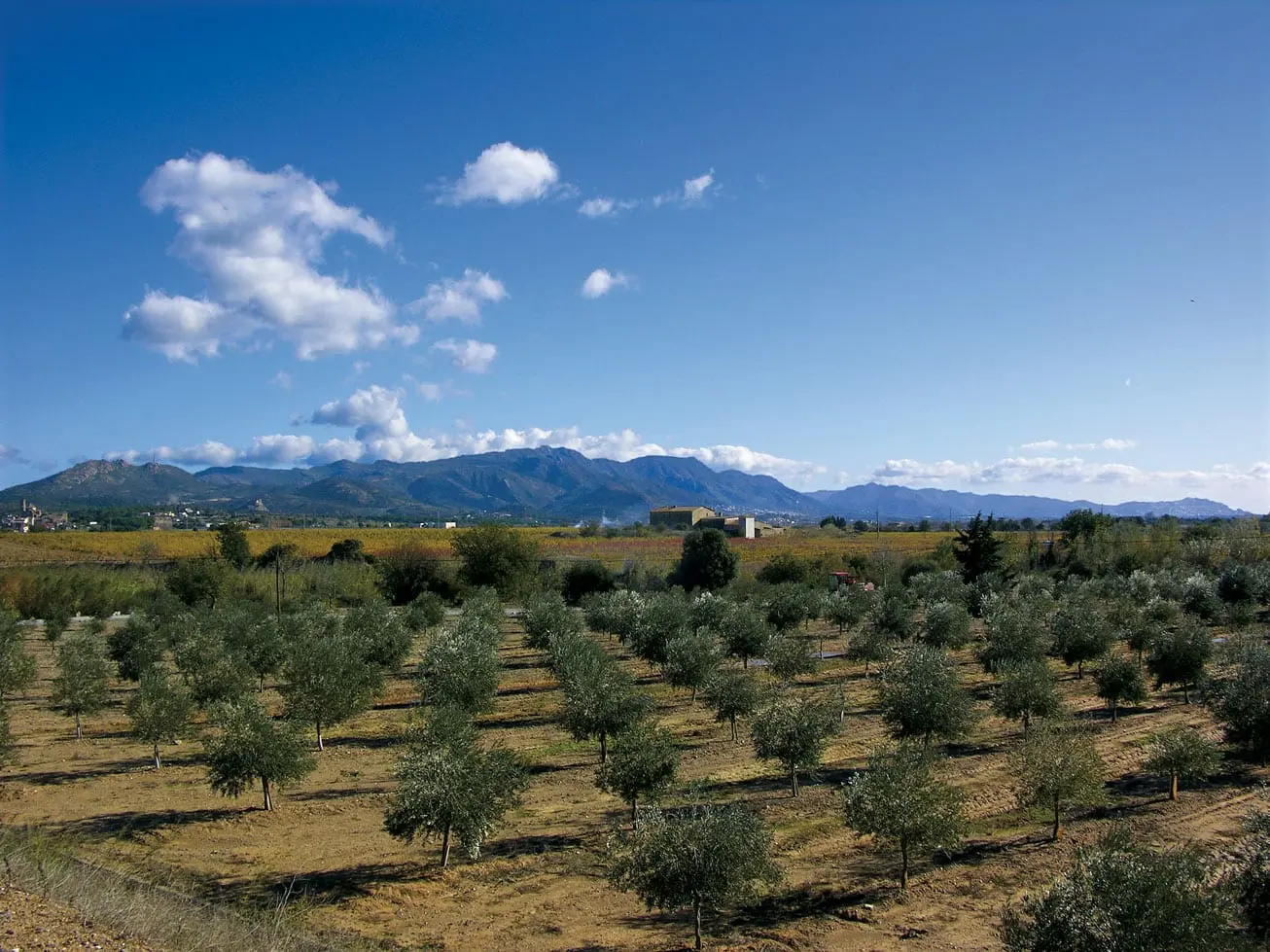
Olives grow in the Empordà whose oil has its own protected designation of origin, the Oli de l’Empordà. Varieties and questions about it are collected here.
Olive oil from the Empordà
The region’s oil bears the protected designation of origin Oli de l’Empordà (DOP). Typical varieties are Argudell, Corivell and Verdal. In addition, there is the Arbequina variety, which was only introduced at the end of the 20th century. Arbequina is considered mild and light fruit, the old varieties usually taste stronger. If you want to know more about shopping and markets in the region, you will find tips in the article Spanish market visit.
Frequently asked questions about olive oil from the Empordà
Which olive varieties grow in the Empordà?
Typical are Argudell, Corivell and Verdal, as well as Arbequina, which was later introduced.
What does DOP mean for olive oil?
DOP stands for protected designation of origin. The oil must come from the region and meet the specifications of the designation of origin.
How does the oil from Arbequina olives taste?
Mild and light fruity, with aromas of olives, apple and almond. It is good for salads and cold cuisine.
Is olive oil made from the pit or from the fruit?
Olive oil is made from the fruit, the olive. According to our sources it contains up to 32% oil, plus water and up to 35% pit and plant tissue.
What is olive oil called in Spanish?
Aceite de oliva, in Catalan oli d’oliva.
Sources: Turisme de Catalunya, DOP olive oil from the Empordà, Empordà Gold (November 2025).