Aiguamolls de l’Empordà – a birdwatcher’s paradise
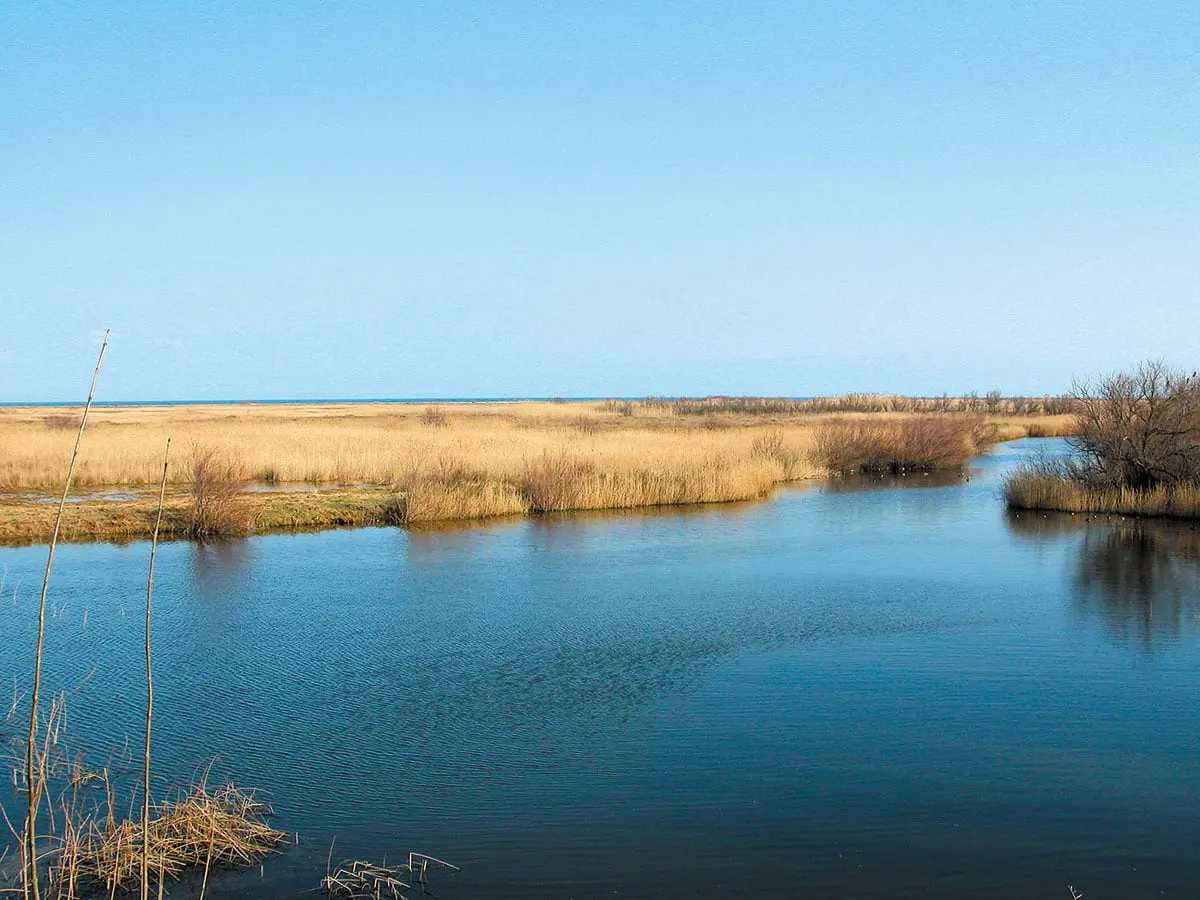
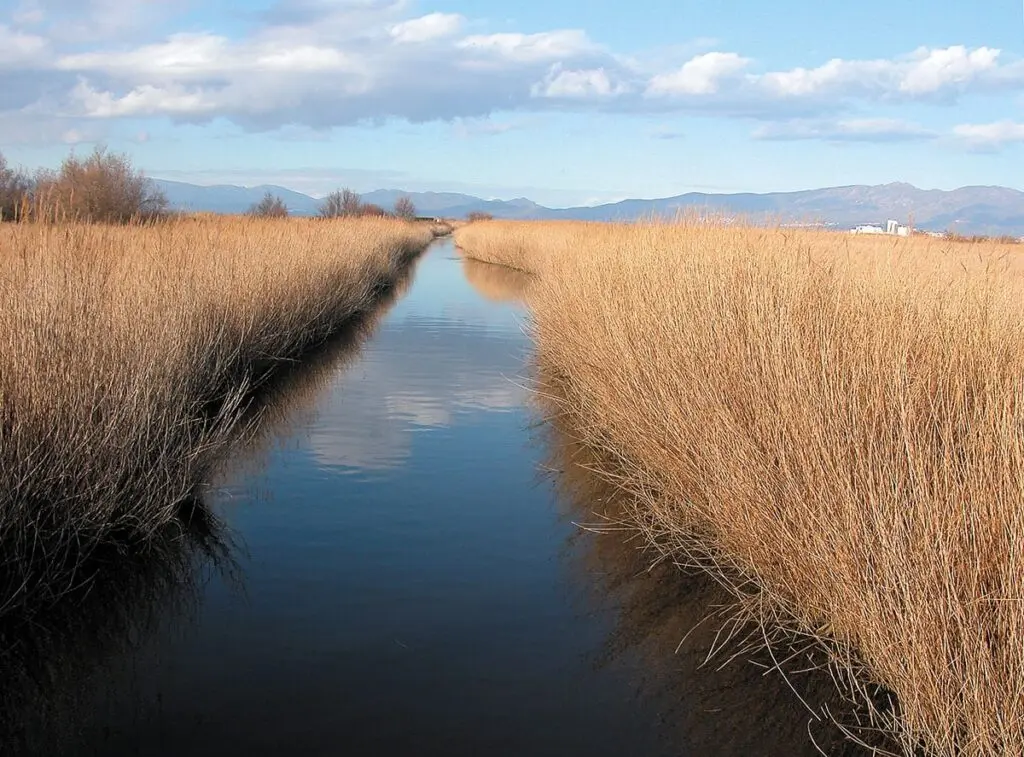
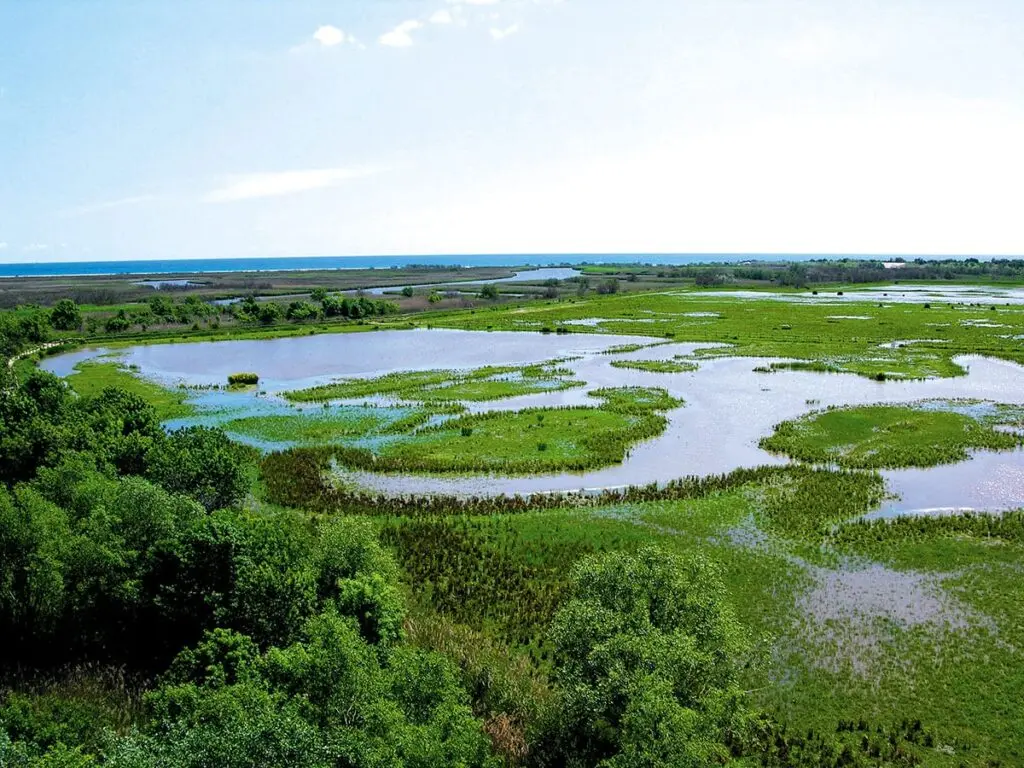
Between the Fluvià and Muga rivers, the Aiguamolls de l’Empordà Natural Park protects one of Catalonia’s most remarkable coastal wetlands. Lagoons, reed beds, dunes and meadows are home to more than 300 recorded bird species. Our walk takes us from El Cortalet towards the observation hides, with the snow-capped Pyrenees often visible in the distance.
Protected as a natural park since 1983, Aiguamolls covers approximately 4,700 hectares near the Bay of Roses. Flamingos, white storks, herons and many migratory birds make it an outstanding destination for birdwatching. The landscape is sensitive, so visitors should stay on marked paths and follow the park’s latest advice.
Aiguamolls de l’Empordà at a glance
- what: Natural park in the Empordà at the mouths of the rivers Fluvià and Muga, founded in 1983
- Size: approximately 4,700 hectares
- birds: More than 300 bird species, including flamingos, geese and storks
- observe: The Cortalet Reserve is the main observation point, with hiding and information center
- More on this: By bike through the Aiguamolls and Aiguamolls de l’Empordà
Catalan: “Aiguamolls”
The Catalan word “aiguamolls” means wetlands or marshes. This landscape was shaped by rivers, the sea and the sediments they carried. Today it contains freshwater and brackish lagoons, reed beds, dunes and seasonally flooded grassland. The mix of habitats supports an extraordinary range of plants and wildlife.
Picturesque water landscape
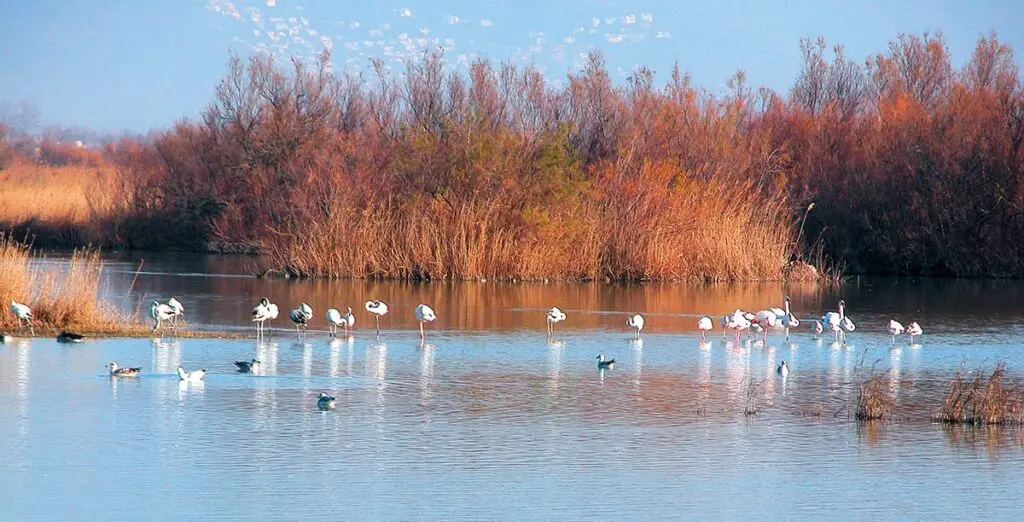
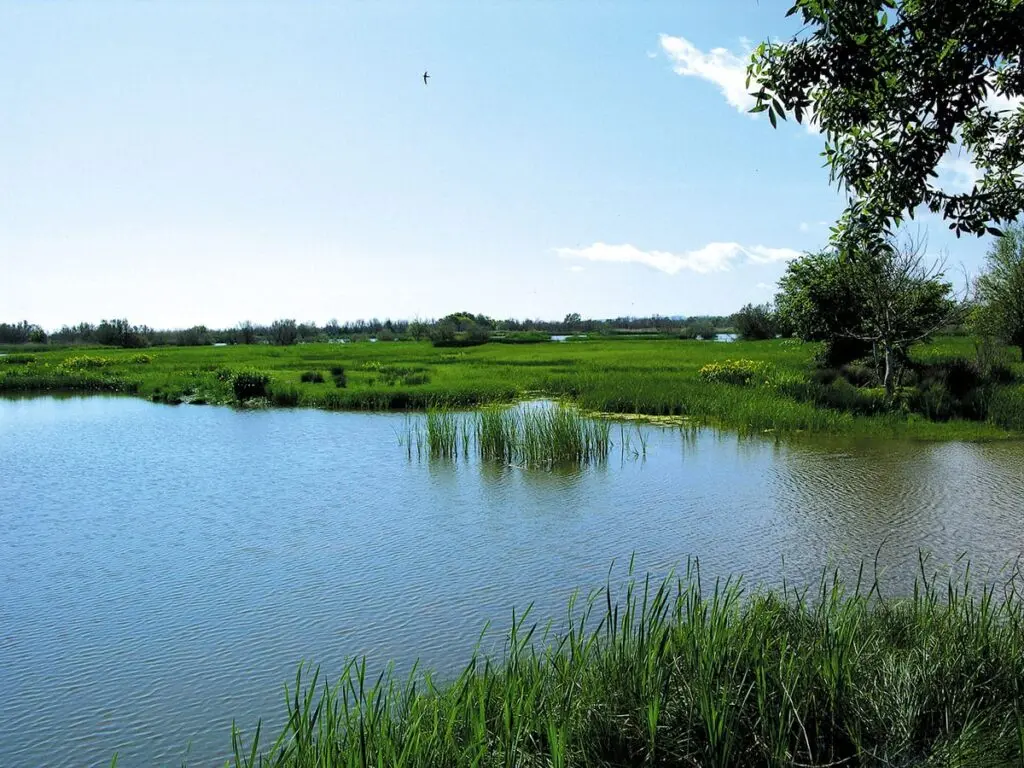
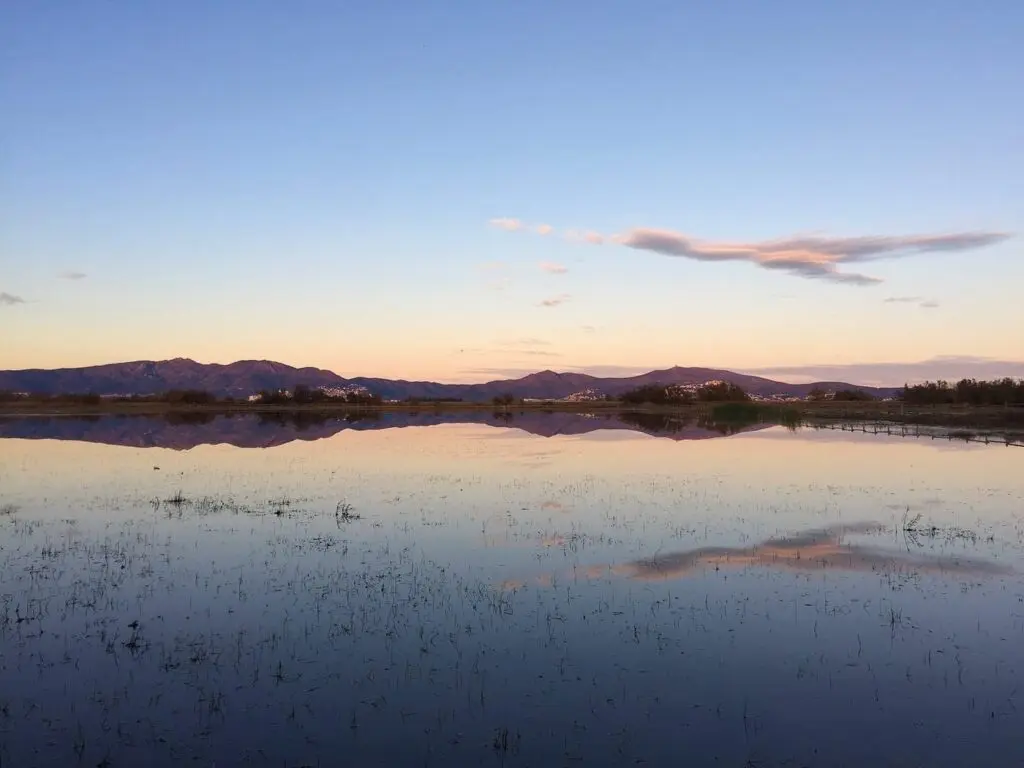
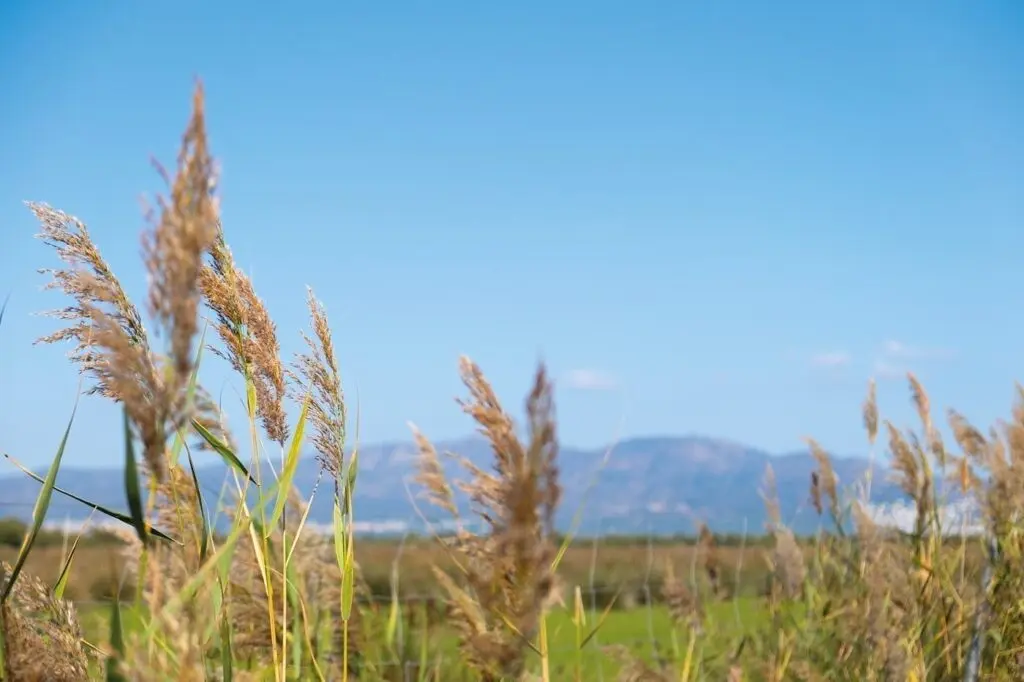
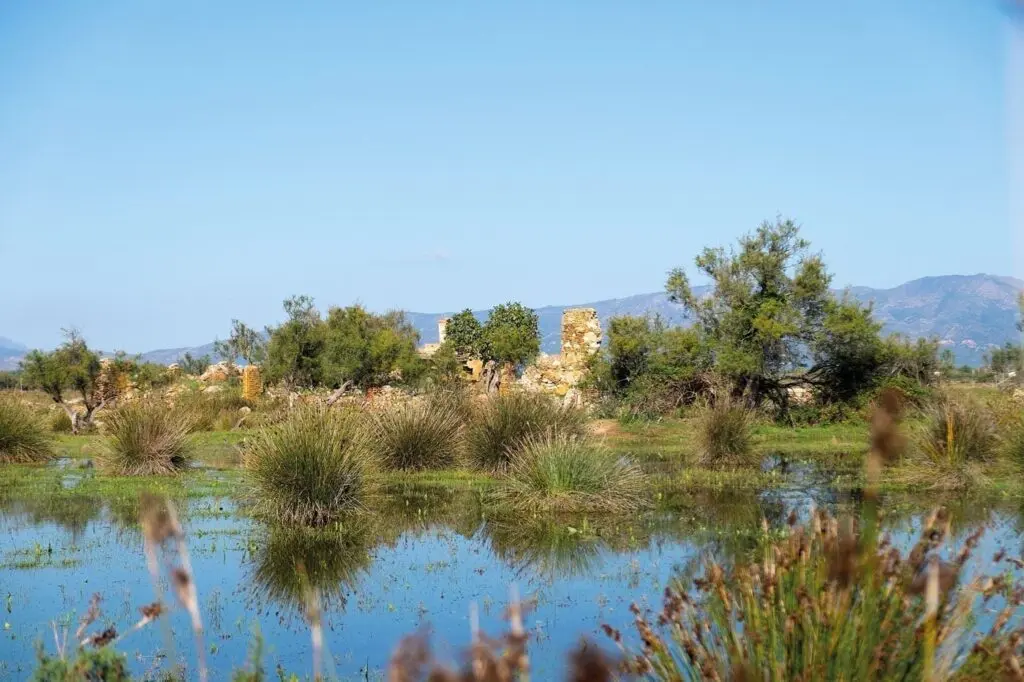
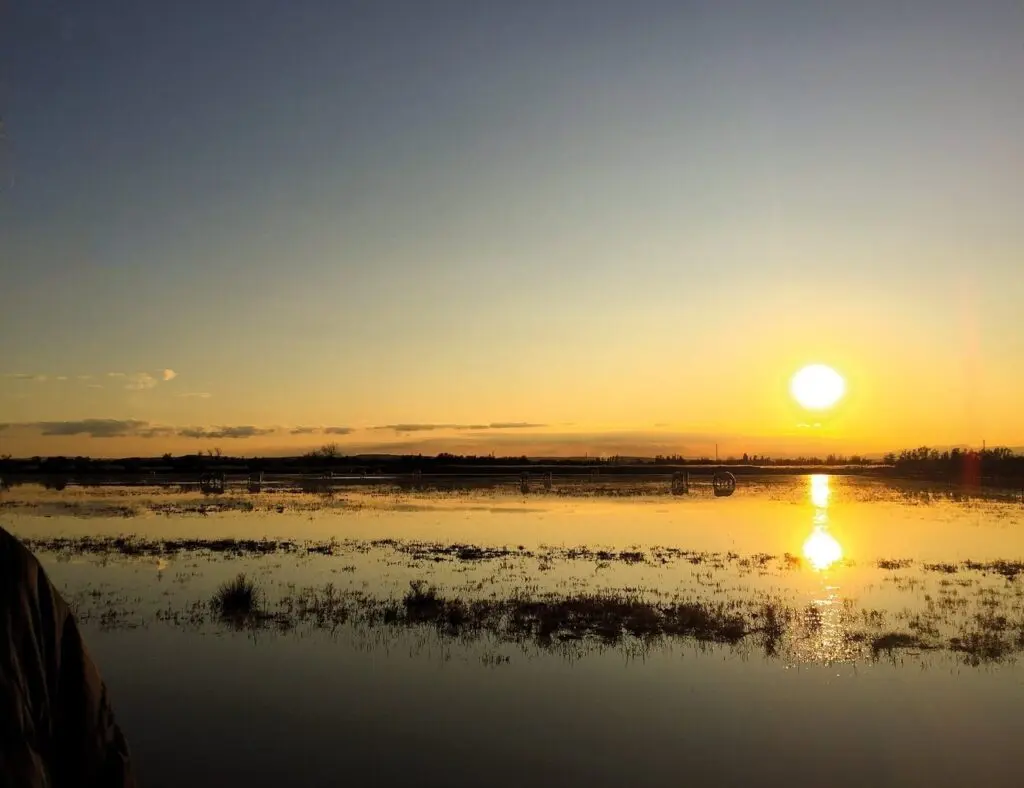
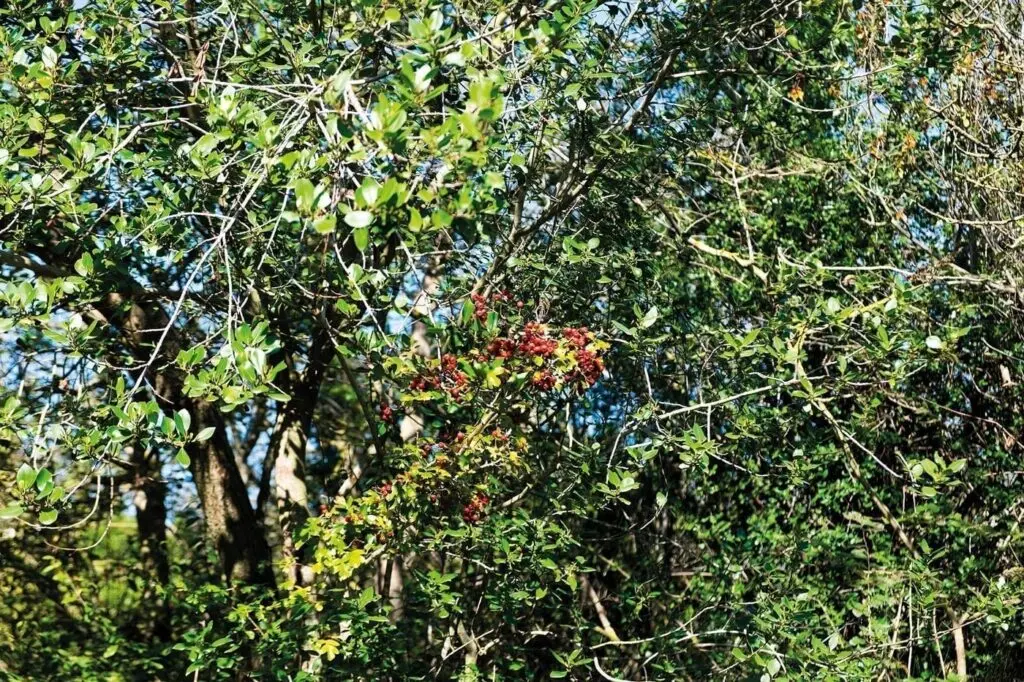
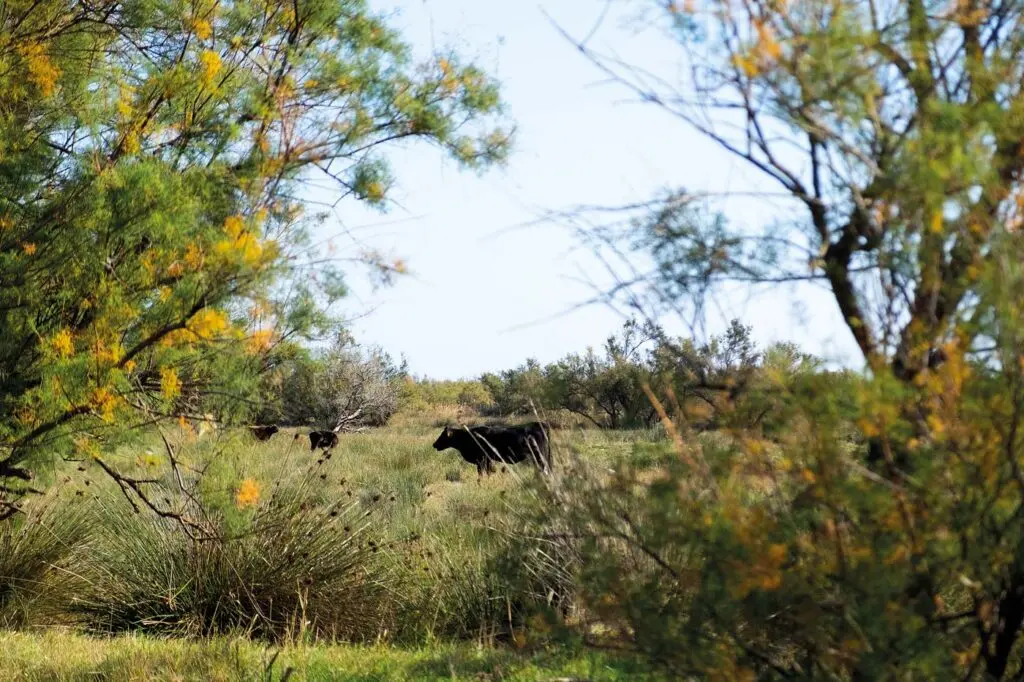
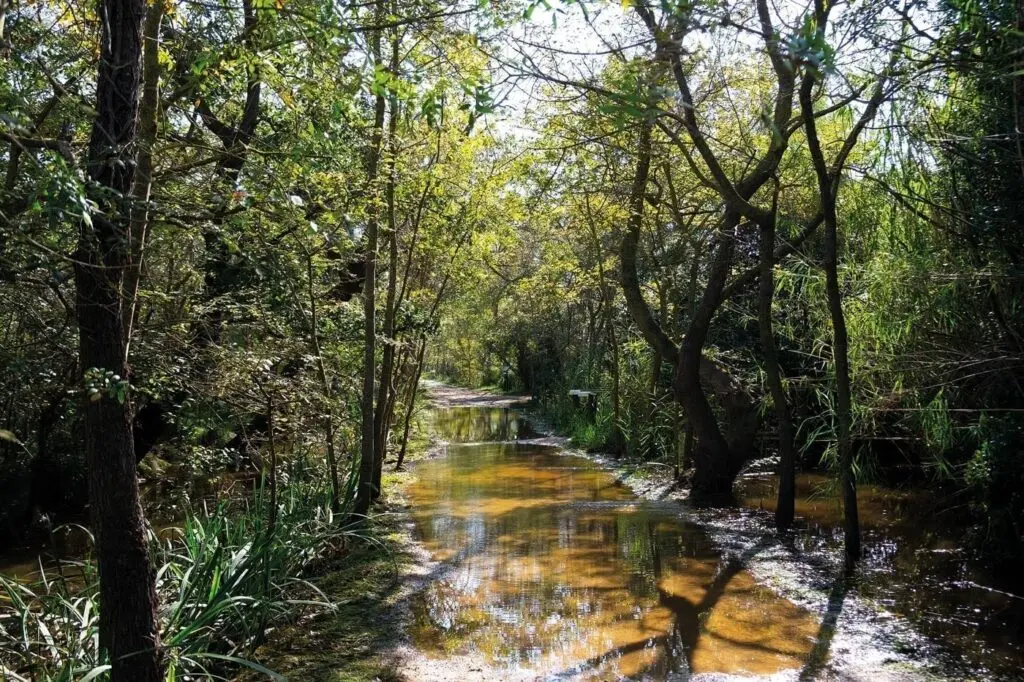
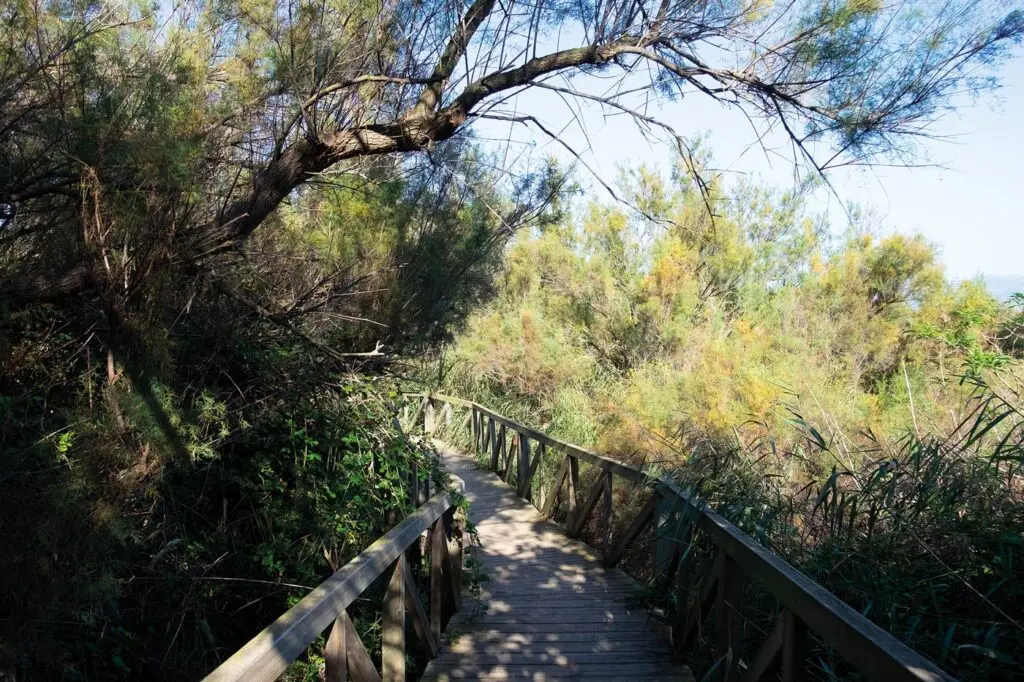
In spring, sunshine draws us into the wetlands. White mountain peaks sometimes rise on the horizon beyond the coastal plain, while fresh green shoots appear among the dunes. Tamarisk trees and shrubs thrive in the salty, damp soil, adding soft pink blossom to the reeds and grasses. The light changes constantly across the water.
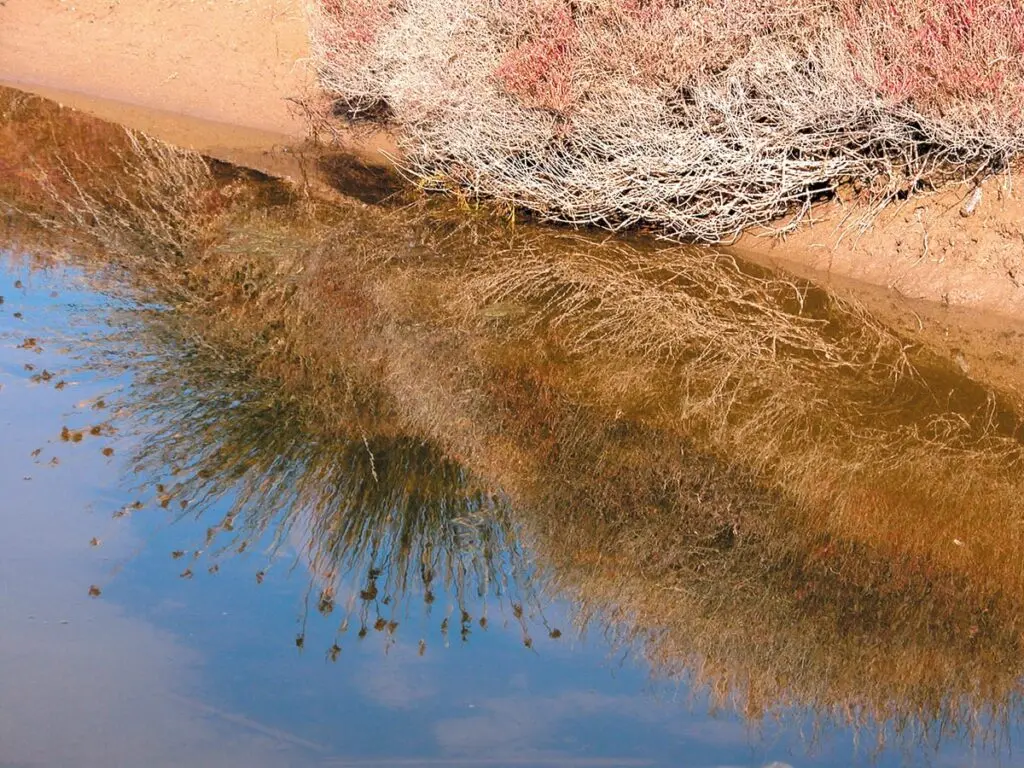
Grasses and leaves reflect in still lagoons. Reeds rustle gently in the breeze, frogs call from the water and small birds dart between the branches. A robin keeps us company for a few steps before disappearing into the vegetation. The pleasure here is in slowing down and noticing details.
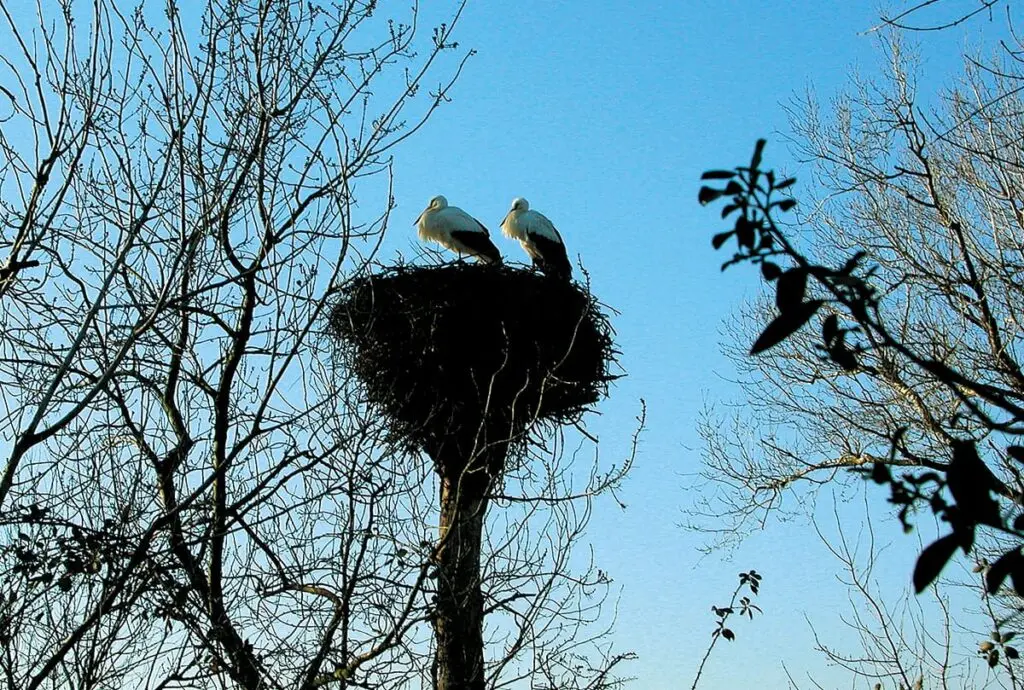
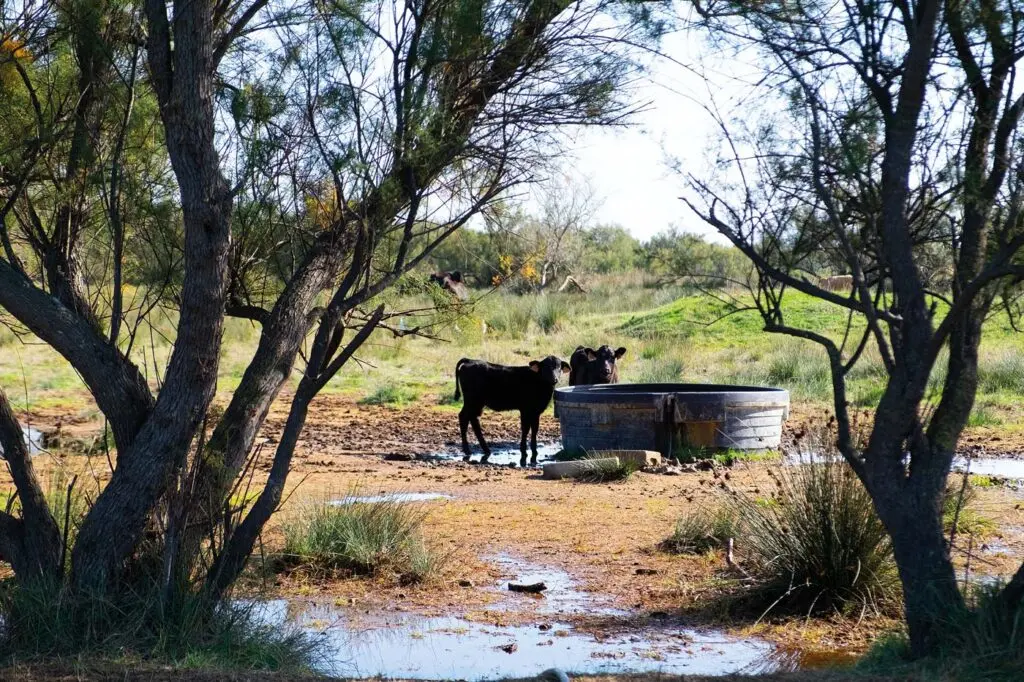
White storks stride across the meadows among grazing cattle. Others circle overhead or tend nests in tall trees and on specially built platforms. Their unmistakable bill-clattering carries through the air. The park’s white-stork reintroduction programme helped bring this impressive species back as a breeding bird.
Information center “El Cortalet”
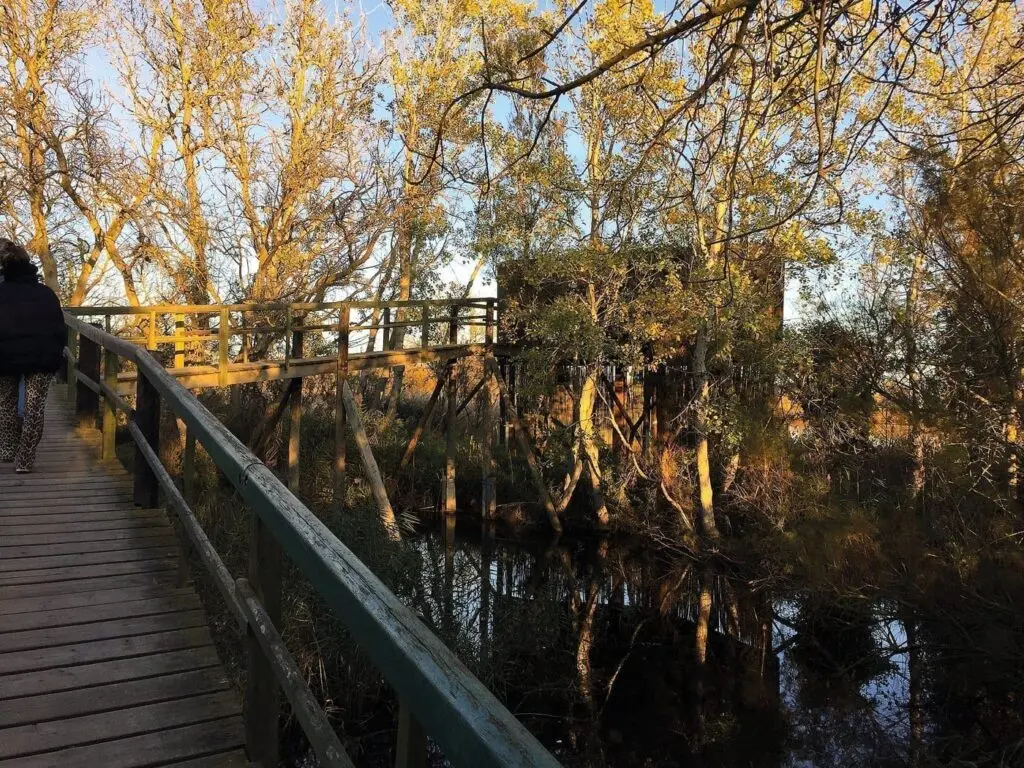
The El Cortalet information centre is an excellent starting point for a visit. Staff and displays provide guidance on routes, hides and current access conditions. The official El Cortalet–Mas Matà trail is a very easy 4.5 km return walk, taking approximately 1 hour 15 minutes according to the park authority. Some sections may flood after rain. Bring binoculars and allow extra time for birdwatching.
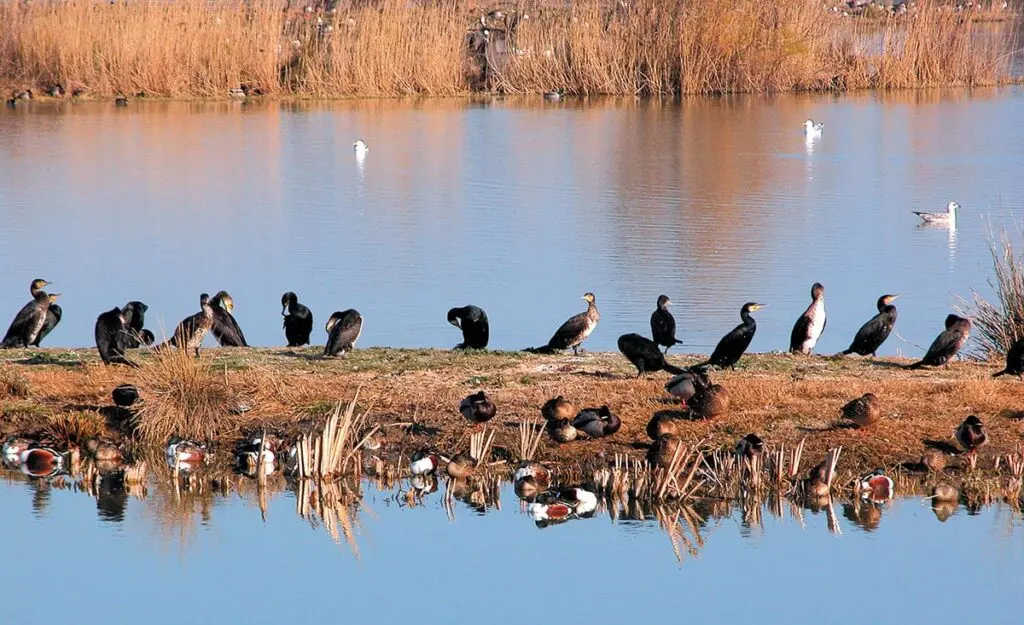
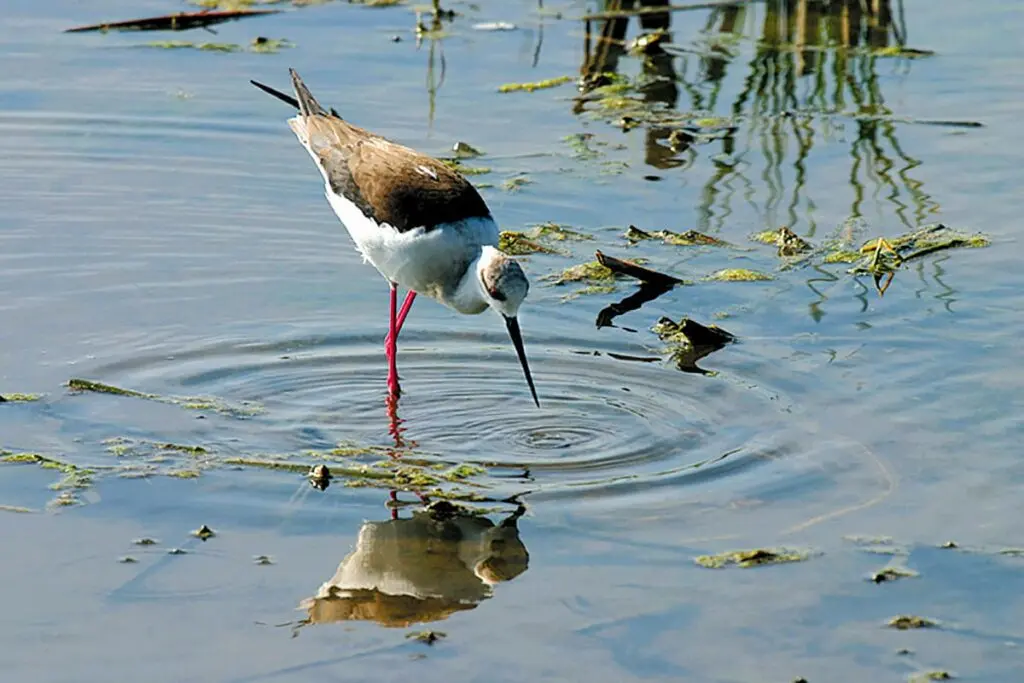
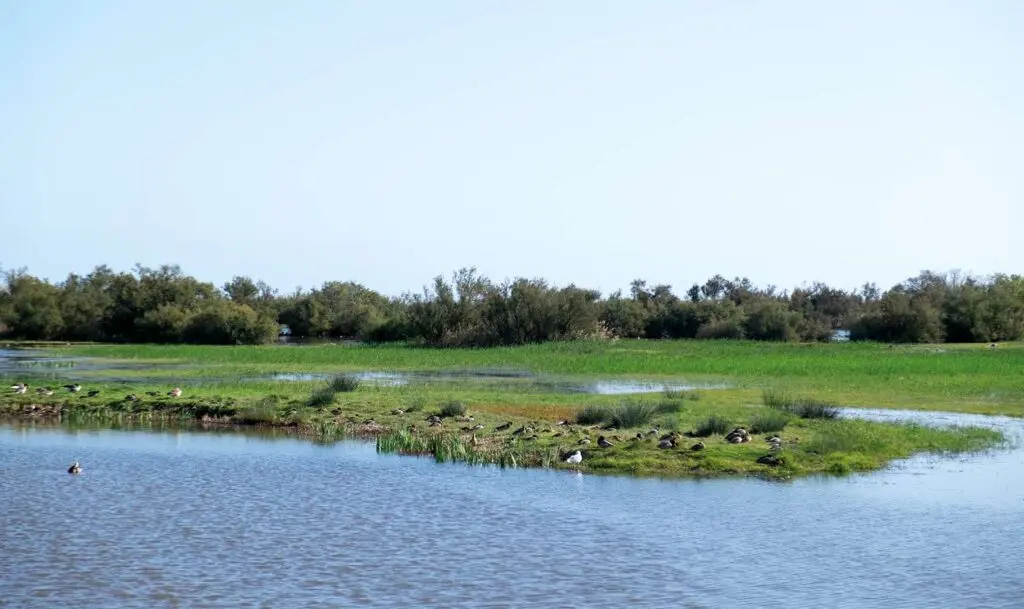
With luck, you may spot purple herons, marsh harriers, kingfishers, bee-eaters and many species of wading birds or ducks. The exact wildlife changes with the season and the water level. Watch quietly from the hides, especially early in the morning, and avoid disturbing nesting or resting birds.
Traces of fallow deer sometimes cross the paths. Turtles may bask near the lagoons, while dragonflies hover above the water in warmer months. We keep an eye on where we step and give all wildlife plenty of space.
On this visit, the flamingos are too far away for a close photograph, but watching them through binoculars is a treat in itself. Cormorants, mallards, coots and grey herons are easier to observe from several of the marked viewpoints.
Senillosa Observatory
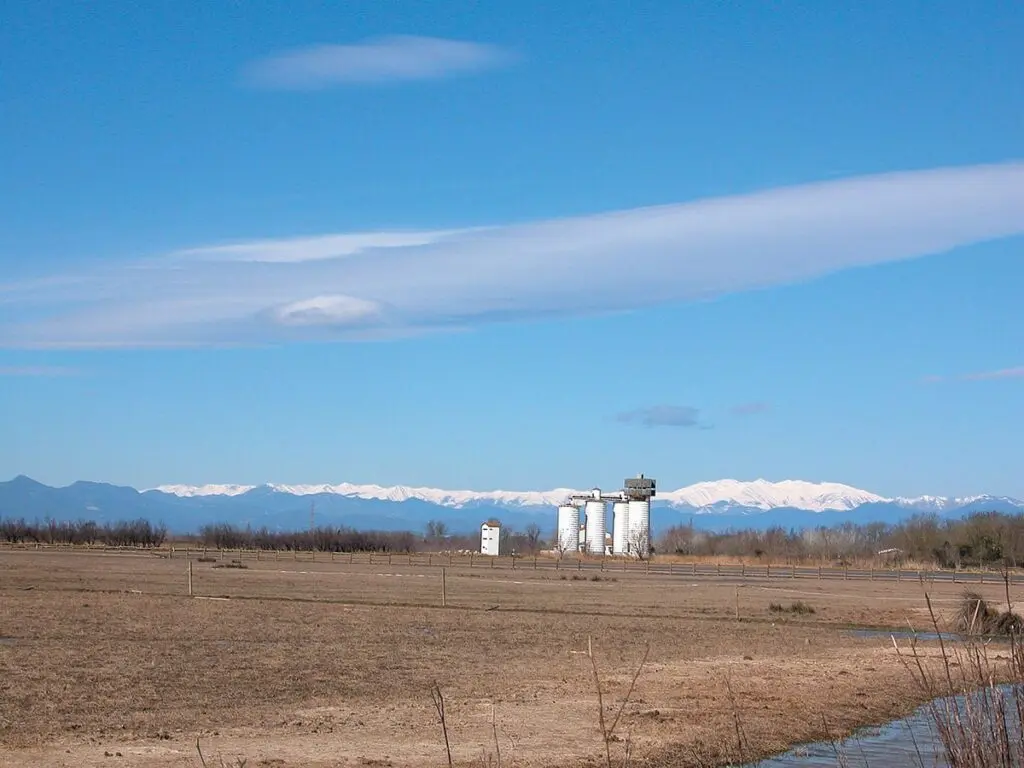
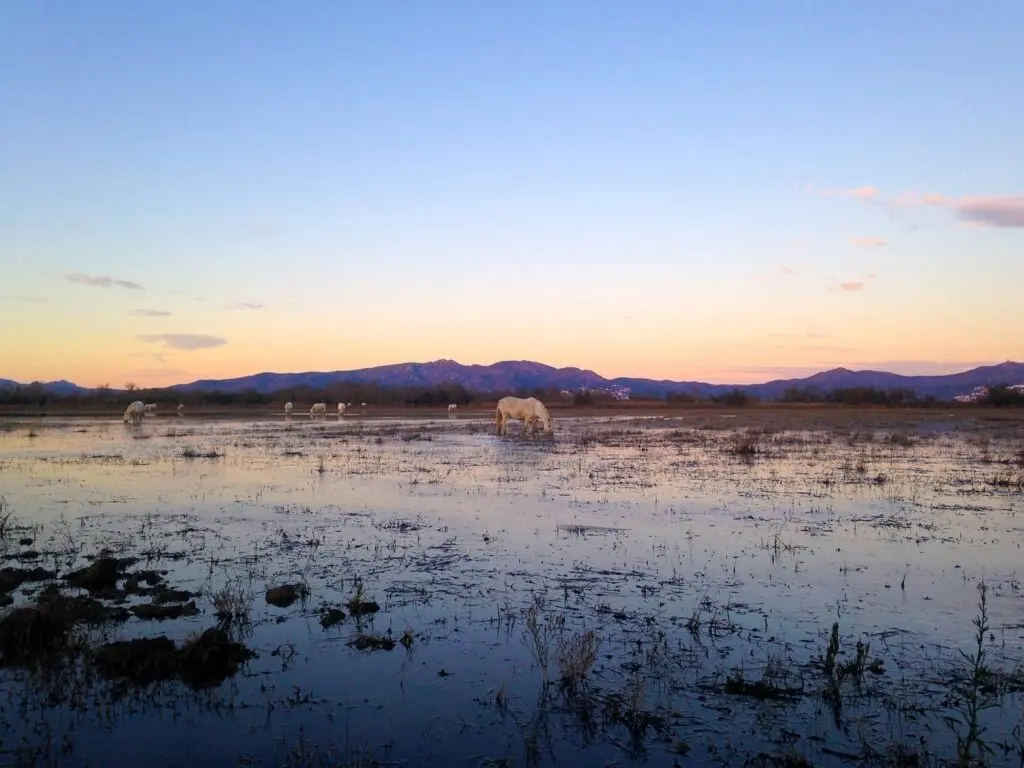
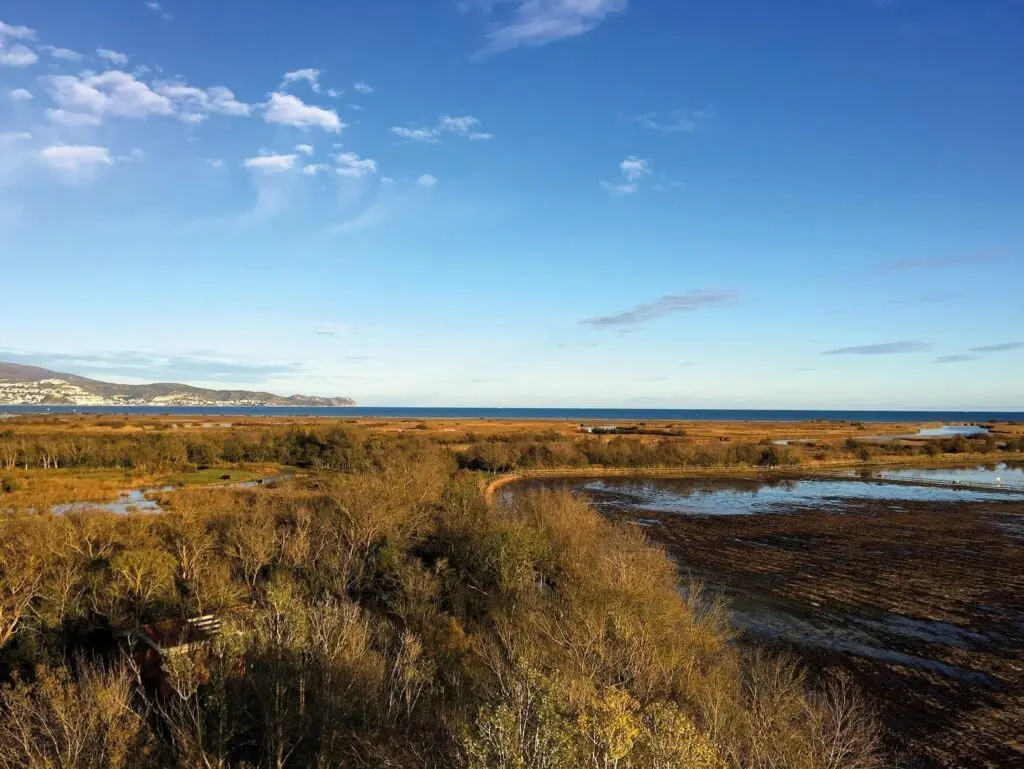
We make a detour towards the Senillosa observation tower. The distinctive white towers were built as rice-drying silos, and one was later adapted as a viewpoint. On a clear day, the panorama stretches over lagoons and farmland towards the Pyrenees and the Bay of Roses. Horses graze below us in the marshes; it is a wonderful place to pause and take in the scale of the landscape.
By the sea
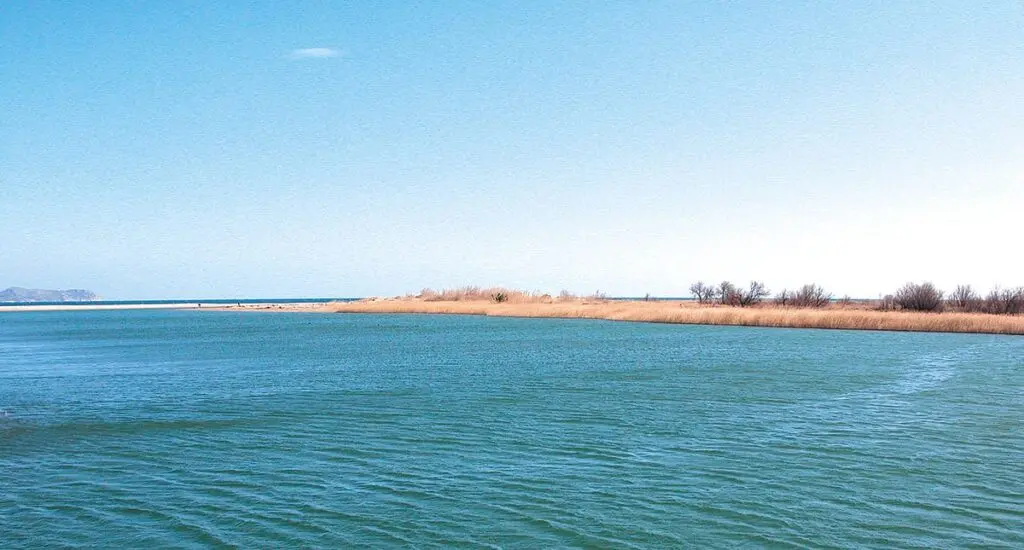
From the wetlands, the landscape opens towards the Mediterranean. Waves roll onto the broad sandy shore and gulls circle above the water. We take in the view across the Bay of Roses, leaving shells and other natural materials where we find them: the beach is part of this protected ecosystem too. Visitors should check the official routes before setting out, as sensitive areas can be closed.
Turning inland again, we walk between lagoons, reeds and salt-tolerant plants. Birds lift briefly from the water and storks soar overhead. After a leisurely outing with many photo stops, we make our way back. This is a personal account of our visit; for today’s conditions, use the park’s official trail information.
- Information center: 972 45 42 22
- By highway to reach from Sant Pere Pescador or from Castelló d’Empúries.
- www.fondation-roger-burlet.org
Photos from the Aiguamolls


Frequently asked questions about Aiguamolls de l’Empordà
When was Aiguamolls declared a natural park?
The Aiguamolls de l’Empordà Natural Park has been protected since 1983.
How large is the natural park?
Its area is approximately 4,700 hectares; exact figures vary slightly depending on the official boundary used.
Which birds do you see in the Aiguamolls?
More than 300 bird species have been recorded, including flamingos, white storks, herons, waders and migratory ducks. Sightings depend on the season.
Where can I watch birds?
Start at El Cortalet. The marked paths include birdwatching hides and viewpoints where you can observe animals without approaching them.
Can you explore the Aiguamolls on foot or by bike?
Yes. There are marked walking routes through the wetlands, some with wooden boardwalks. The official El Cortalet–Mas Matà walk is 4.5 km return. Cyclists should follow the designated routes; see our separate Aiguamolls cycling guide.
Which animals live in the Aiguamolls?
As well as birds, look for turtles, fallow deer, dragonflies, butterflies and grazing horses or cattle. Never feed wild animals or leave the marked tracks.
What should you bring for a visit?
Bring comfortable walking shoes, drinking water, sun protection and binoculars. El Cortalet has information about official routes and seasonal access restrictions.
Official sources: Generalitat de Catalunya – park facts, official trails from El Cortalet, and visitor guidelines. Check for changes before you go.
More on this: By bike through the Aiguamolls de l’Empordà in Catalonia, Aiguamolls de l’Empordá.